Thinking about opening your Snowmass Village home to short-term rentals this winter? You want strong nightly rates, reliable bookings, and happy guests without creating unnecessary risk. In this guide, you’ll learn how to set prices, pace your calendar, dial in winter operations, and stay compliant so your property performs during peak snow and spring-break demand. Let’s dive in.
Know winter demand in Snowmass
Peak weeks and holidays
Winter is the core season in Snowmass Village. Expect the highest demand around late December holidays, New Year’s week, and Presidents’ Week, plus strong weekends from January through March. March often brings a spring-break surge that concentrates bookings into a few high-value weeks. Summer has activity, but winter typically drives the best rates and occupancy.
Booking windows and lead times
Holiday and marquee weeks tend to book months in advance. Non-holiday weekends and shoulder periods often book closer in, from a few weeks to about a month out. You can win last-minute stays with smart pricing and flexible minimums, as long as your turnover plan can handle quick turns. Midweek demand is variable, but some guests extend around weekend ski trips.
Market signals to watch
Keep a close eye on your live calendar and platform insights. Track average lead time, length of stay by season, and how quickly target dates are filling. Watch competitor availability and pricing, especially during major snow cycles and event weeks. Use these signals to adjust your rates and minimum stays before demand peaks.
Price and pace for performance
Set base rates and seasonal buckets
Start with a clear base rate that reflects season, property type, and proximity to lifts and amenities. Create holiday and event pricing buckets in advance so peak weeks stand out. As demand builds, protect those weeks with firm policies and fewer discounts. Use a dynamic pricing tool or platform-based pricing to respond to real-time changes.
Minimum stays and length-of-stay
Raise your minimum stay for holiday weeks and popular weekends to protect revenue. For typical ski weekends, a 2 to 3 night minimum often balances occupancy and rate. Consider small weekly discounts during peak multi-night demand to encourage committed bookings. Avoid deep discounts that erode rates unless you need to fill a long gap.
Weekend vs weekday strategy
Ski demand clusters on weekends, so price weekends higher during winter. Keep weekday pricing competitive to attract guests who can add nights for a longer stay. If you see strong midweek snow forecasts or limited competitor inventory, tighten weekday discounts. Your goal is to convert marginal demand without giving away high-value nights.
Last-minute playbook
Plan a rule-based discount curve for dates inside 14 days if you have open nights. Use platform promotions or direct outreach to past guests for quick visibility. Align last-minute rates with your cleaning schedule and staffing capacity to avoid misfires. Pair last-minute pricing with flexible arrival days to capture short-notice trips.
12-month calendar timeline
9–12 months before arrival season
- Set annual availability and block off your own use thoughtfully, especially for holiday weeks.
- Create distinct pricing buckets for late December, New Year’s, and Presidents’ Week.
- Decide on initial minimum stays and refundable vs nonrefundable options for peak weeks.
- Connect or test a dynamic pricing tool and outline manual overrides for key dates.
3–6 months before arrival
- Monitor bookings and competitor calendars for your target property type and location.
- Adjust base rates and minimum stays as event details and school calendars firm up.
- Prep winter listing updates, including fresh photos and copy with snow-ready amenities.
- Confirm housekeeping, snow removal, and local contact coverage for high turnover periods.
30–90 days before arrival
- Fine-tune pricing to close gaps for partially filled weeks and weekends.
- Introduce modest weekly discounts to encourage longer stays where it makes sense.
- Update pre-arrival messaging with current weather, road, and shuttle guidance.
- Double-check maintenance on heating, hot water, and freeze protection.
0–14 days before arrival
- Activate last-minute discount rules for remaining nights and expand allowable check-in days.
- Ensure cleaning teams can accommodate faster turns and back-to-back stays.
- Confirm parking pass details and arrival instructions are crystal clear.
- Offer early check-in or late check-out when possible to win short-notice bookings.
Winter operations that drive reviews
Safety and performance essentials
Guests expect reliable heating, consistent hot water, and a draft-free interior. Protect plumbing with freeze safeguards and schedule preventative HVAC checks before peak snow. Keep entries safe and accessible with proactive snow and ice removal. Inside, provide boot trays, step mats, and clear instructions for thermostats and fireplaces.
Turnover and staffing
Plan for longer winter cleans because of mud, snow, and extra laundry. Build extra time between stays and have a backup cleaning crew for storm weeks. Stock replacement linens and consumables so you can reset quickly during back-to-backs. Maintain a rapid-response local contact for lockouts, noise issues, or emergent repairs.
Guest communications
Send a clean pre-arrival message with route tips for mountain driving, 4WD or chain advisories, shuttle info, and parking policies. Include check-in and check-out steps, quiet hours, trash and recycling instructions, and emergency contacts. Offer a concise local guide with lift schedules, rentals, lessons, restaurant reservations, and pharmacy hours. A friendly, complete guide reduces confusion and improves reviews.
Amenities that move the needle
Ski storage, boot dryers, heated entry spaces, and gear hooks make winter living easy. Fast Wi-Fi is non-negotiable for work and streaming. Flexible early check-in and late check-out can help convert travelers managing snow delays. For higher-end homes, consider concierge touches like in-unit rental set-up or grocery pre-stocking.
Position your listing for Snowmass
- Lead with proximity to lifts, shuttle routes, and private parking details.
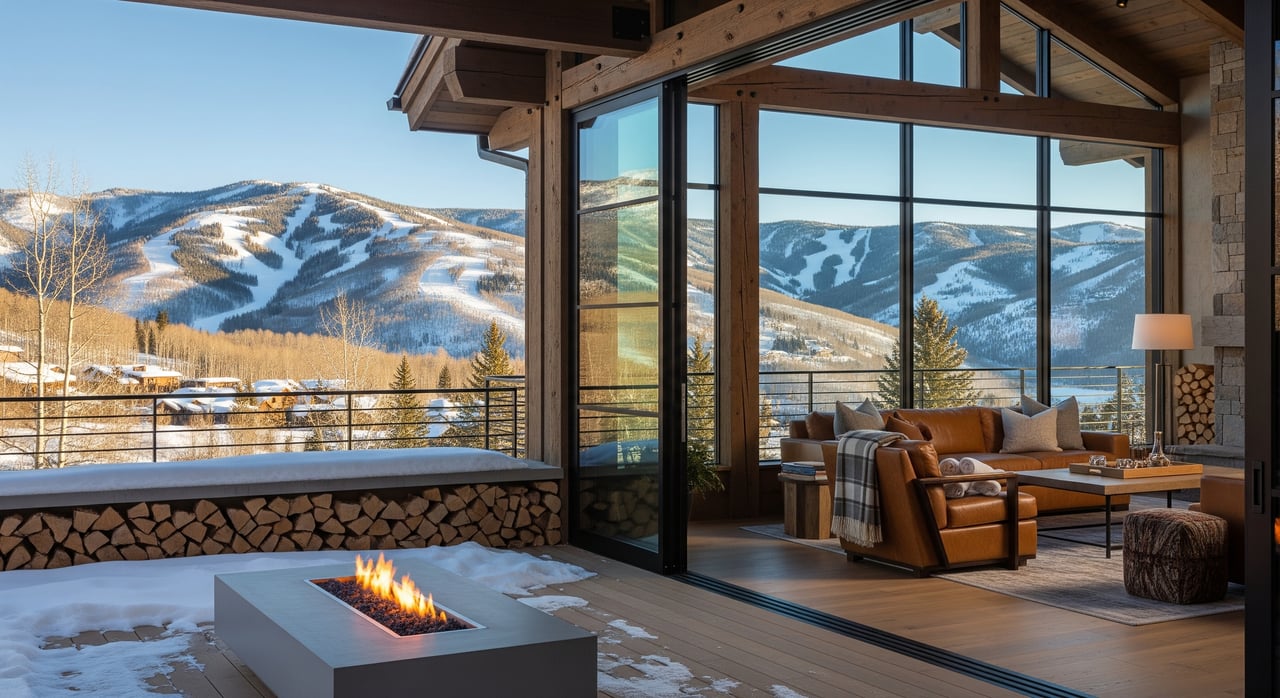
- Highlight snow-ready amenities and your winter maintenance plan for peace of mind.
- Use high-quality photos that showcase winter scenes and outdoor access points.
- Write clear house rules on occupancy, noise, parking, and trash to prevent complaints.
- Keep a clean, modern aesthetic in photos and copy to meet luxury traveler expectations.
- Emphasize responsive local support so guests know help is nearby if needed.
Compliance checklist to confirm
Rules and requirements can change, so verify the latest with local authorities before renting. Confirm whether you need a short-term rental registration or permit and note renewal schedules. Register for applicable lodging and sales taxes and confirm how taxes are collected and remitted on your platforms. Review zoning, HOA covenants, and any caps or owner-occupancy rules that may limit STR operations.
Check safety and health standards for detectors, egress, fire extinguishers, occupant limits, and any inspection requirements. Verify if a local manager or on-call contact is required and the expected response time for complaints. Clarify guest parking rules, passes, and transportation options that affect your listing. Keep documentation current to reduce risk of fines, suspension, or other enforcement actions.
Metrics and tools that matter
Track occupancy rate by month and season so you can see where pricing or minimums need work. Monitor average daily rate, revenue per available night, lead time, and cancellation rates. Follow length of stay distribution to refine your minimum nights and discount tiers. Watch guest satisfaction scores and response time to catch issues before they impact future bookings.
Use platform dashboards for market insights and competitive positioning. Consider STR analytics tools that track local occupancy and pricing patterns for Snowmass and nearby markets. Maintain a simple sheet that logs weekly rate changes, inquiries, and conversions by date range. A consistent feedback loop helps you adjust quickly when demand shifts.
Common pitfalls to avoid
- Underpricing holiday and spring-break weeks because you set rates too late.
- Letting short minimum stays break up prime weeks and reduce total revenue.
- Charging cleaning fees that do not cover winter realities, which pressures quality.
- Vague instructions that lead to parking or trash complaints with neighbors.
- Outdated photos or summer-centric copy during peak ski season.
- Skipping preventive maintenance on heating and plumbing before the first freeze.
Your next steps
- Confirm legal ability to operate: town or county registration, tax accounts, and HOA compliance.
- Set seasonal pricing buckets now and integrate a dynamic pricing tool.
- Finalize winter operations: snow removal, cleaning schedules, and emergency contacts.
- Build pre-arrival and in-home guides focused on winter transportation and safety.
- Refresh listing photos and copy to highlight snow-ready amenities and lift access.
- Track KPIs weekly and adjust minimums and promotions as demand unfolds.
If you want a local, hands-on partner to fine-tune pricing, prepare your winter operations, or place seasonal tenants, connect with Team Hansen. Our Aspen-native perspective and construction-informed approach help you protect your asset while maximizing winter performance.
FAQs
Do Snowmass Village short-term rentals require a permit or registration?
- Many mountain towns require short-term rental registration or a license. Verify the current requirements with the Town of Snowmass Village, Pitkin County, and your HOA before accepting bookings.
What is the best way to set prices for holiday weeks in Snowmass?
- Create holiday pricing buckets 9 to 12 months out, monitor early bookings, and tighten minimum stays and policies as demand builds for late December, New Year’s, and Presidents’ Week.
Are there local lodging or sales taxes for Snowmass short-term rentals?
- Most jurisdictions require collection and remittance of lodging and state sales taxes. Register with the appropriate tax authorities and confirm your platform settings for tax collection.
What winter operations should I prepare before guests arrive in Snowmass?
- Prioritize heating and freeze protection, entry snow and ice removal, reliable housekeeping capacity, and clear guest guidance on driving, parking, and shuttle options.
How can I reduce neighbor complaints and regulatory risk with an STR in Snowmass?
- Set and enforce clear rules on parking, occupancy, noise, and trash, provide thorough guest instructions, maintain a responsive local contact, and follow all local STR rules and HOA policies.