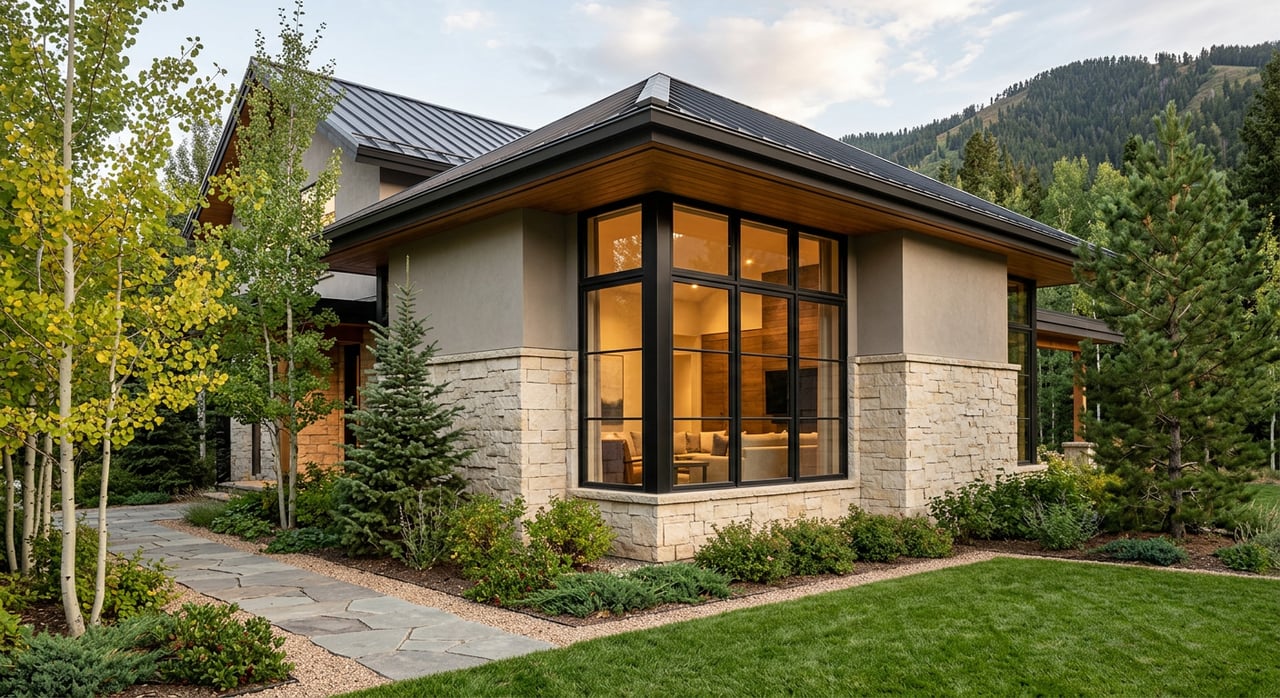
Thinking about building from the ground up in Carbondale or eyeing an older home that might be better as a new build? You are not alone. With limited supply and strong demand across the Roaring Fork Valley, strategic new construction and thoughtful tear-downs can unlock value. In this guide, you will learn where opportunities tend to cluster, which Town rules shape what you can build, and how to navigate timelines with fewer surprises. Let’s dive in.
Where opportunities cluster
Master-planned neighborhoods
If you want a custom new build with fewer unknowns, look to River Valley Ranch. As a large master-planned community with active construction and amenities, River Valley Ranch offers larger lots suitable for new custom homes. It is a PUD, so HOA covenants and PUD standards sit alongside Town rules. Aspen Glen, another country-club PUD with larger parcels, follows a similar pattern. These areas tend to favor custom rebuilds over small-lot splits or higher-density infill.
Townsite infill near downtown
Historic Townsite blocks and nearby additions such as Weaver’s and Fender’s include many original small lots, older structures, and a mix of OTR, R/MD, and R/LD zoning. These streets often support value-add projects like a replacement single-family home, a duplex or townhome configuration where allowed, or an ADU when minimums are met. The governing rules live in Carbondale’s Unified Development Code, which is your baseline for minimum lot sizes, widths, heights, and per-unit area.
Downtown HCC and mixed-use corridors
Main Street and the Historic Commercial Core have redevelopment potential where single-story retail and surface parking remain. The UDC establishes special height step-downs in the HCC, such as 27 feet near the south side of Main Street and 35 feet beyond that, with the option to request up to 42 feet through alternative compliance. These rules, plus mixed-use design expectations, can make small downtown parcels candidates for vertical infill.
Sites near recent rezonings
The Town has reviewed rezonings and site plans in and near Meadow Wood Drive, North Face Park, and school-owned parcels. Recent actions, documented in a Board of Trustees packet, show how a rezone to a higher-density district can open up multi-unit possibilities. Always verify current zoning and any recent ordinance changes before you write a contract.
Know the rules before you buy
Your first stop is the UDC and the Town’s zoning map. The Town UDC page and zoning map will point you to the correct district for any parcel, then you can confirm dimensional standards in the UDC tables.
Lot size, width, and height
Carbondale’s residential districts set clear minimums that shape what you can do on a teardown or new build:
- OTR, Old Town Residential: minimum lot area 4,125 square feet, minimum width 37.5 feet. If you plan an ADU, the minimum lot area and width increase to 5,500 square feet and 50 feet, respectively.
- R/LD, Residential Low Density: minimum lot area 6,000 square feet, minimum width 60 feet. Some original Townsite parcels have special notes, so read the table footnotes.
- R/MD and R/HD, Medium and High Density: minimum lot area 3,000 square feet, minimum width 25 feet. Lot area per dwelling unit in these districts is commonly 3,000 square feet, subject to table specifics.
- Heights: single-family height limits vary by district. OTR generally tops out around 25 feet and R/LD around 27 feet for principal buildings, while R/HD can allow taller forms. Confirm the exact maximums in the UDC tables.
All figures above come from the UDC’s dimensional standards tables. Use them during early screening to see if a duplex, townhome, or ADU fits.
Impervious coverage and open space
The UDC caps impervious lot coverage by district and lot size. As a rule of thumb, R/MD and R/HD allow roughly up to 60 percent impervious coverage, while OTR and R/LD vary with lot size. These limits affect your building footprint, driveway, patios, and any accessory structures.
ADUs and PUD covenants
ADU permissions depend on the zoning district. In OTR and R/LD, ADUs trigger larger minimum lot sizes and widths than a stand-alone home. Many PUDs also modify or prohibit ADUs through their own governing documents. Check both the zoning and any PUD/HOA covenants before you underwrite rental income from an ADU.
Floodplains and other overlays
Parcels near the Crystal River or Roaring Fork River may sit in a floodplain overlay. The UDC and the Municipal Code point to additional technical studies and special approvals for properties in these areas. If you are looking along the valley floor, flag flood designations early and build time into your schedule for any required reports.
Historic and environmental reviews
If a structure sits in or near a historic area, exterior changes or demolition can require review. For teardowns, plan for asbestos and lead surveys. Many sites also need geotechnical and drainage reports, and some riparian locations may involve wetlands or species checks. The UDC and related submittal checklists outline these studies.
Step-by-step permit path
Every project is different, but most tear-down and rebuild timelines follow a predictable path under the UDC.
Pre-application meeting. The UDC lists pre-application as the first step for many approvals. Use this meeting to confirm your process, required studies, and whether your project needs site plan review or hearings.
Formal application and completeness check. After submittal, the Planning Director must determine completeness within 10 business days. Administrative site plans have a target decision within 60 days of a complete application, unless the case is referred to a higher review body.
Demolition permit. Demolition is a separate permit through the Building Department. In some cases demolition may proceed while final site approvals are still in process, but sequencing can be tricky. Recent local coverage of Building Department backlogs shows why you should confirm timing with staff before you schedule demo crews.
Building permit and inspections. Once you clear planning approvals, building permit issuance and inspections follow. Larger projects often involve third-party plan reviews, which can add time.
Practical timing targets:
- A small, straightforward single-family rebuild on a conforming lot may see building permits in about 6 to 12 weeks after a complete application in a normal queue. Backlogs can extend that.
- Multi-unit projects that need public hearings often require 3 to 6 or more months for site plan review, then additional time for building permits. Always verify current processing times with Town staff.
Single-family detached projects without an ADU are often exempt from formal site plan review, which can simplify the path. Multi-unit projects typically require minor or major site plan review and public hearings.
Quick due-diligence checklist
Use this short list when you spot a promising lot or older home:
- Confirm zoning and density. Check the parcel’s district on the Town zoning map, then verify minimum lot size, width, per-unit lot area, and height in the UDC tables.
- Calculate impervious coverage. Add up the new building footprint, driveways, patios, and any ADU. Make sure it fits the district’s cap.
- Check ADU rules. In OTR and R/LD, ADUs require larger minimum lots and widths. Confirm PUD or HOA covenants before you count on an ADU.
- Screen overlays and constraints. Look for floodplain designations, riparian buffers, slope or geotechnical issues, and recorded easements.
- Consider historic status. Older structures or historic areas may have demolition or exterior change reviews.
- Verify utilities and fees. Confirm water and sewer capacity, tap fees, and any water rights or impact contributions that may apply to your scope.
- Map the permit timeline. Build the completeness check and 60-day administrative review target into your schedule, then add contingency for potential backlogs.
- Budget soft costs. Plan for surveys, geotechnical and drainage studies, asbestos or lead testing, and any third-party reviews required by the Town.
For links to applications, contacts, and the zoning map, use the Town UDC page and zoning map.
Example scenarios
Old Town single-family replacement
You find a 4,500 square foot OTR lot with an older cottage. A replacement single-family home would meet the 4,125 square foot minimum lot area and 37.5 foot width standard. An ADU would likely not qualify because OTR requires 5,500 square feet and 50 feet of width when an ADU is included. A straightforward single-family replacement on a conforming lot can move through planning with fewer steps, then into building permit issuance in roughly 6 to 12 weeks in a normal queue.
Medium-density duplex or townhome
A 6,000 square foot parcel in R/MD can be a fit for a duplex or two townhome units, since the per-unit lot area is commonly 3,000 square feet. Impervious coverage in R/MD can reach roughly up to 60 percent, so the site plan must account for building footprint plus access and parking. Because this is a multi-unit configuration, plan for site plan review, possible hearings, and a 3 to 6 month entitlement window before building permits.
Downtown mixed-use infill
A small Main Street property with older retail and surface parking could transition to a two or three story mixed-use building if it meets HCC height step-downs, such as 27 feet within 20 feet of the south side of Main Street and 35 feet beyond that. The UDC also allows applicants to request up to 42 feet by alternative compliance. Expect public hearings, design review against downtown standards, and additional third-party plan checks during building permitting.
Partner with construction-informed advisors
Well-planned new construction or a targeted tear-down can add real value, but success in Carbondale depends on due diligence and the right sequence through the Town’s process. Our team pairs local market insight with construction know-how to help you evaluate zoning, scope a build that fits the lot, and anticipate timing and costs. When you are ready to explore options or want a second opinion on a site, we are here to help.
Ready to map a plan for your property or next acquisition? Let’s talk through zoning, feasibility, and timing so you can move forward with clarity. Connect with Team Hansen to schedule a private consultation or property tour.
FAQs
What Carbondale zones are best for infill and tear-downs?
- Historic Townsite blocks with OTR, R/MD, or R/LD zoning and downtown HCC or mixed-use corridors often present the most options, while large-lot PUDs like River Valley Ranch favor custom rebuilds over higher-density infill.
How long does a single-family teardown and rebuild take to permit?
- A simple replacement on a conforming lot can see building permits in roughly 6 to 12 weeks after a complete application in a normal queue, but backlogs can extend that timeline.
Can you add an ADU to an Old Town Residential lot?
- Possibly, but OTR requires a larger minimum lot size and width for ADUs, 5,500 square feet and 50 feet, so confirm your lot meets those thresholds and check any PUD or HOA covenants.
What should you check if a property is near the river?
- Verify floodplain overlays, riparian buffer rules, and any required studies under the UDC and Municipal Code, then factor added review time into your schedule before you close.
Do single-family projects require site plan review in Carbondale?
- Single-family detached homes without an ADU are often exempt from formal site plan review, while multi-unit projects typically need minor or major site plan review with public hearings.