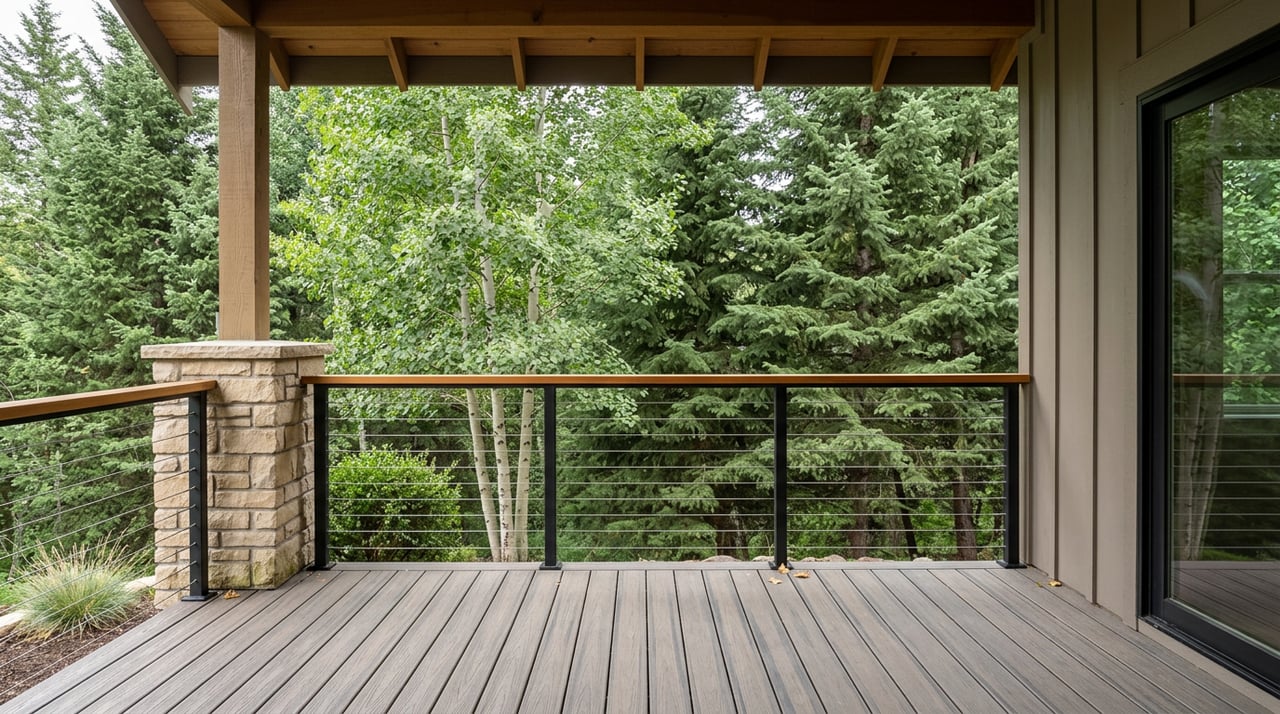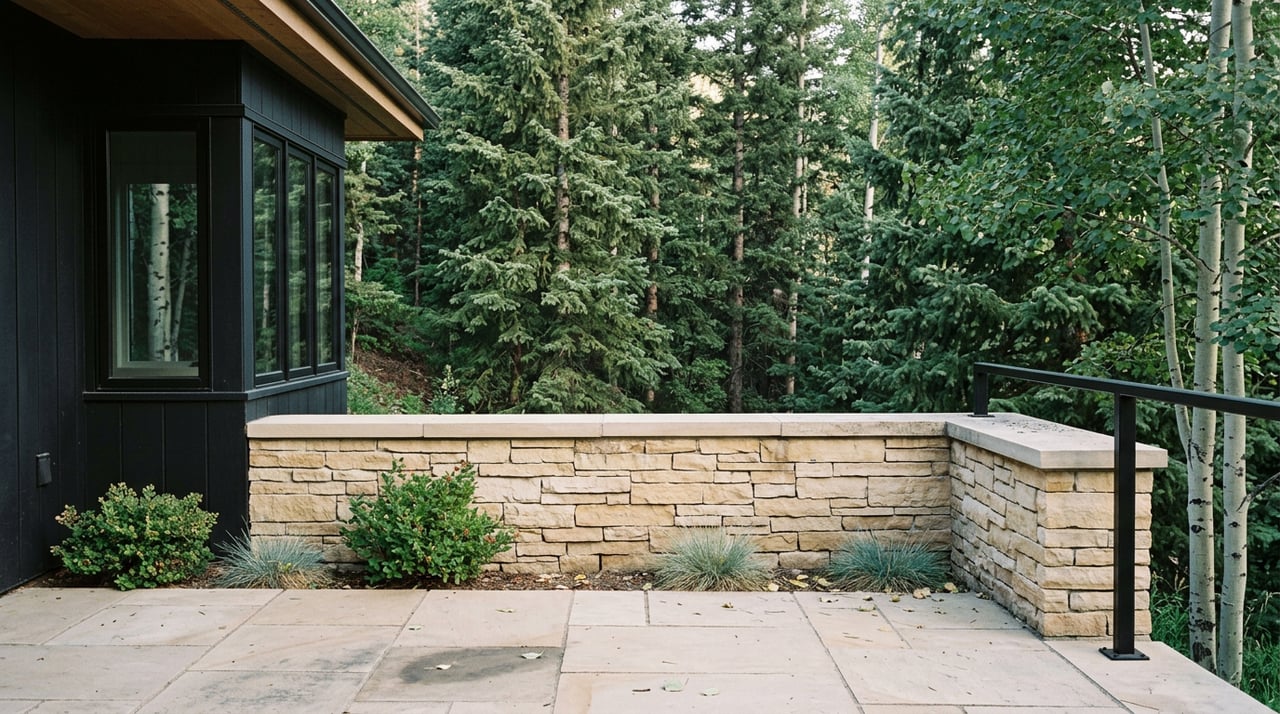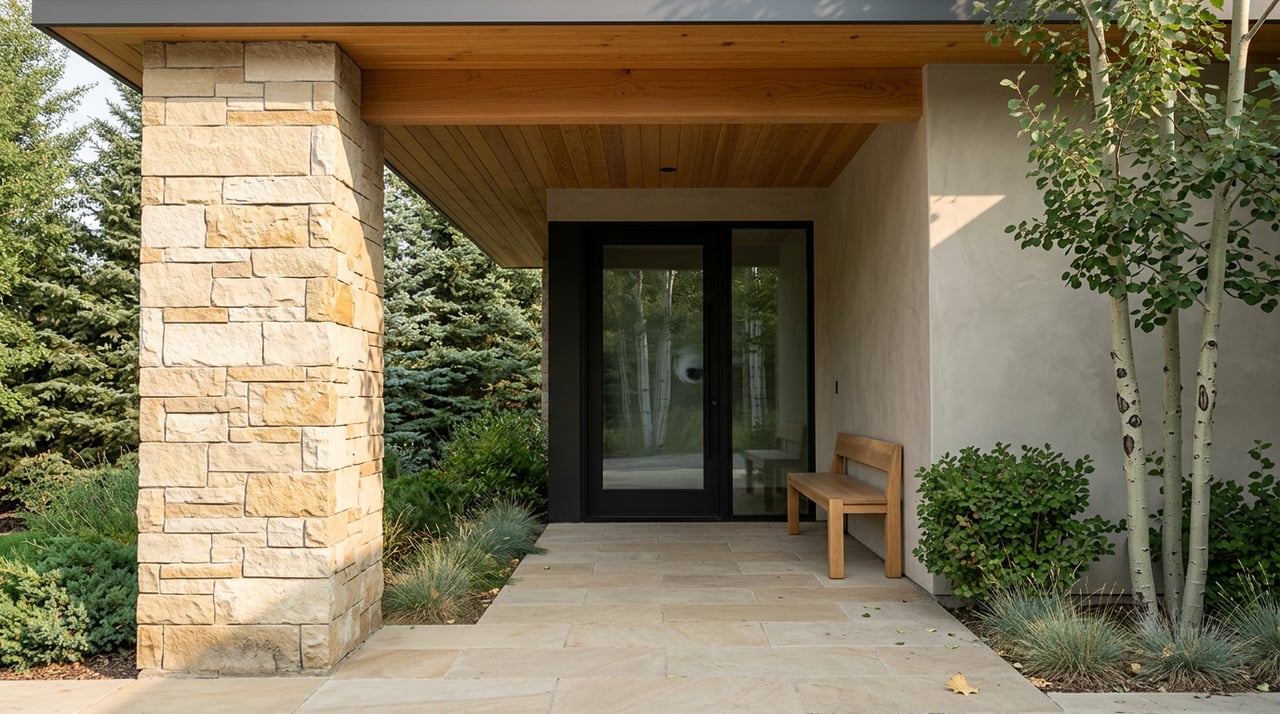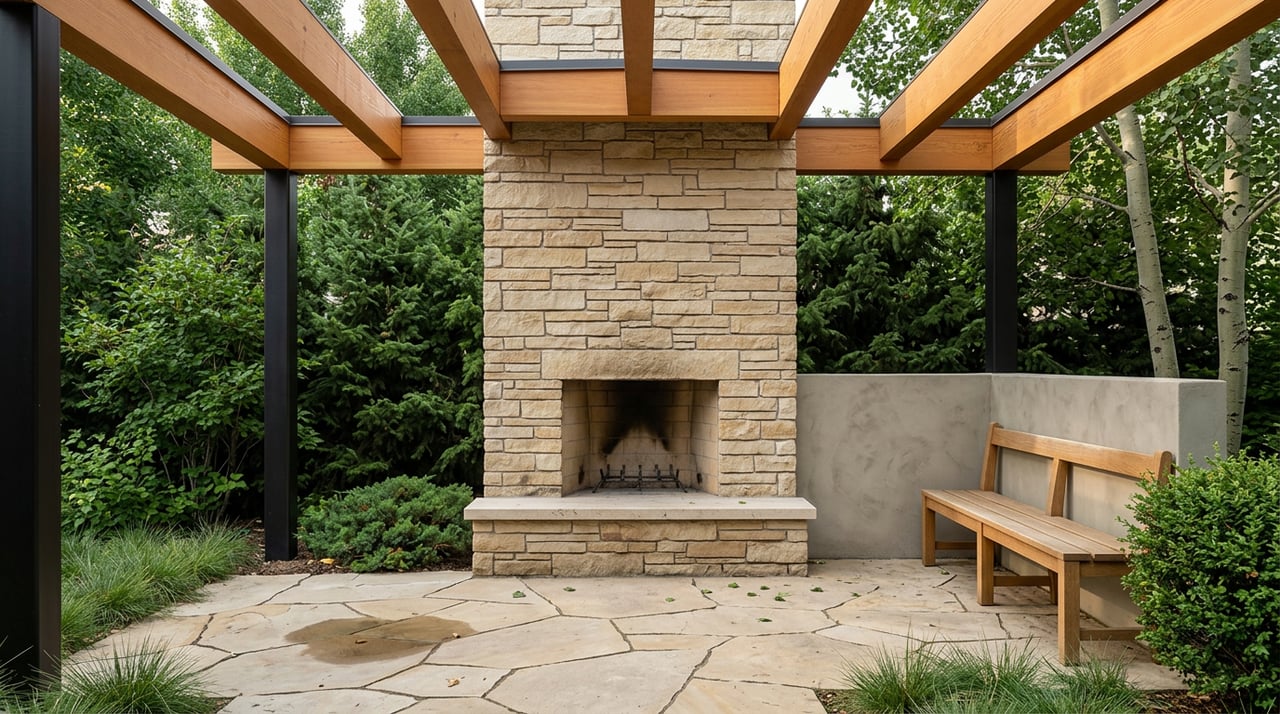
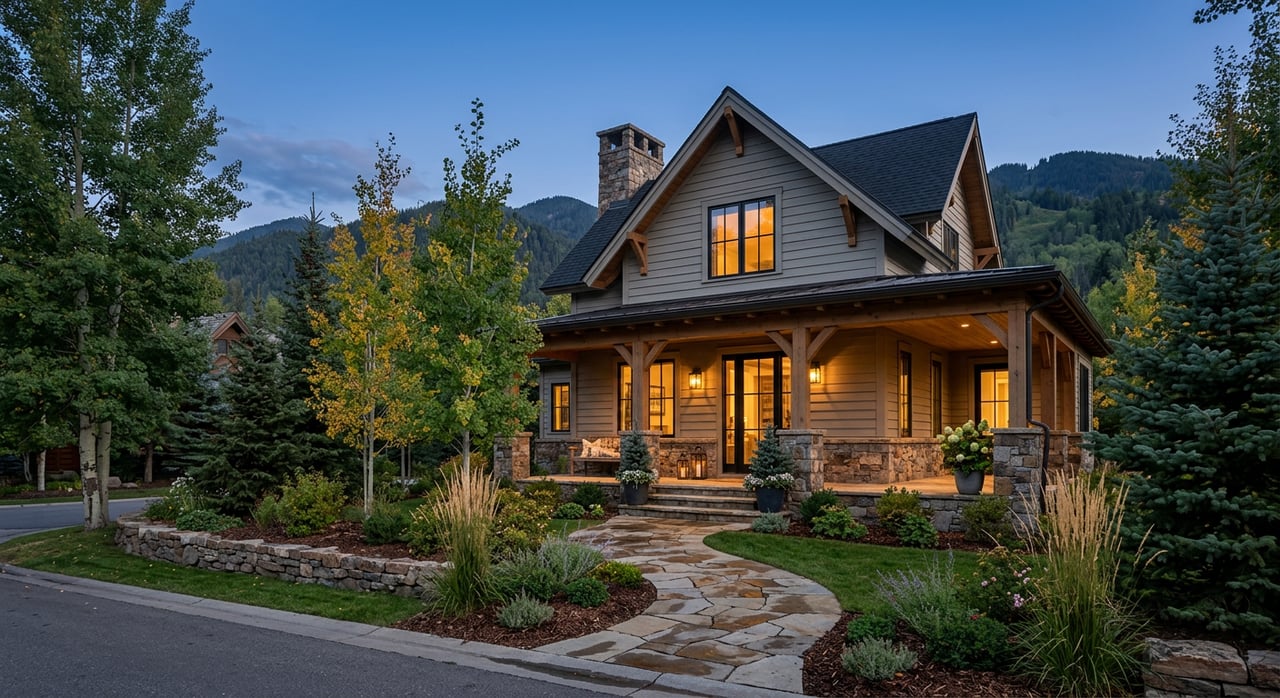
What draws so many people to Aspen’s West End? It blends postcard charm with everyday ease. You get quiet, tree‑lined streets and historic architecture, plus quick access to downtown, cultural venues, and trails. In this guide, you’ll learn how the neighborhood lives, what the homes look like, and the practical rules that shape renovations and value. Let’s dive in.
Location and feel
The West End sits immediately west of downtown Aspen. It is a compact, mostly residential district with mature trees, front porches, and a calmer pace than the pedestrian core. You are still a short walk or bike ride to shopping, dining, and the base of Aspen Mountain. For a neighborhood overview, the Aspen Historical Society’s West End walking tour describes the area’s character and setting in detail.
- Learn more about the neighborhood’s setting on the West End walking tour page from the Aspen Historical Society: neighborhood history and overview.
History that shapes living
The West End’s historic status is not only a point of pride. It is part of how the area lives day to day, from the look of the streets to how remodels proceed.
Victorian roots
Aspen grew rapidly during the 1880s silver boom. Many of the West End’s brick and wood Victorian homes date to that era and are recognized as locally significant in the city’s official preservation program. The Wheeler–Stallard House, a Queen Anne Victorian that now serves as the Aspen Historical Society’s museum, is a well‑known example. You can tour the home and enjoy its lawn, known as Ruth Whyte Park, which is a small but beloved green space for neighborhood events.
- Explore the Wheeler–Stallard House and park details at the Aspen Historical Society: Wheeler–Stallard Museum.
Midcentury modern layer
After Aspen’s quiet years, mid‑20th‑century cultural investment helped the town transform into a ski and arts destination. That era brought a wave of midcentury modern chalets and kit homes to the West End. Many of these residences are now recognized through the city’s Aspen Modern efforts, which document important 20th‑century architecture alongside the older Victorians.
- See the study on Aspen modernism and midcentury architecture: Aspen Modernism, 1945–1975.
Homes you will find
You will see historic and modern styles side by side. That mix is a core part of the West End’s identity.
Victorian‑era homes
From Queen Anne to Shingle Style, late‑19th‑century homes anchor many blocks. Think wrap‑around porches, decorative trim, and detailed woodwork. Some are grand, others are modest former miner cottages. Many are designated or listed as contributing resources, which influences how owners can renovate exteriors.
Midcentury and kit homes
Single‑story or chalet‑style midcentury homes, including Pan‑Abode‑type kit houses, appear throughout the neighborhood. These bring warm wood tones, efficient footprints, and large windows to leafy streets. They often sit near the Aspen Institute and Meadows campus, reflecting the postwar era’s growth.
Contemporary renovations
Because vacant lots are rare, much of the change you see is through renovations or additions. Design review and historic guidelines tend to favor sensitive updates that respect original forms while improving comfort and performance. When you evaluate a home, confirm whether it is on the city’s inventory of historic sites, since that status shapes exterior work.
- Check historic status and design guidance through the City of Aspen: Historic Preservation program and Inventory of Historic Sites and Structures (PDF).
Lots, privacy, and scale
West End parcels are modest compared to large mountain estates elsewhere in the valley. Many town lots are only a few thousand square feet. Even so, mature trees and plantings create a sense of privacy and a classic in‑town feel. Limited land and strict land‑use rules keep turnover low and make available parcels highly sought.
- For property‑specific details, consult the city’s inventory and preservation resources: City inventory PDF.
Parks, paths, and culture
You can get outside without getting in the car. The Wheeler–Stallard grounds and Ruth Whyte Park sit inside the West End for casual strolls and small events. Just to the west, the Holden/Marolt area and Marolt Open Space connect to paths and open fields. The long multi‑use Rio Grande Trail follows the Roaring Fork River and ties Aspen to Carbondale and Glenwood Springs, with neighborhood links used for commuting and recreation.
- Explore local trail connections on the city’s Rio Grande Trail page: Rio Grande Trail and local paths.
- Learn about the museum grounds and park setting: Wheeler–Stallard Museum.
Culture is part of daily life here. The Aspen Art Museum downtown is only a short ride or walk, and the Aspen Meadows campus, home to the Aspen Institute’s programs and art, sits adjacent to the West End. In summer, music tent performances and public art walks add to the neighborhood rhythm.
- See current exhibitions and events at the Aspen Art Museum.
- The Aspen Meadows campus outlines on‑site mobility options and art history: Aspen Meadows overview.
Getting around
Walkability is a major advantage. Many addresses are within roughly a half mile of downtown, depending on the block. During the warm months, Aspen’s WE‑cycle bike share helps you make quick trips, and local shuttles can supplement car use.
- For bike share and shuttle references from the campus next door, see the Aspen Meadows overview.
What to know before you buy
Understanding Aspen’s preservation framework and market dynamics will help you plan with confidence.
Historic designation status
Before you fall in love with a house, confirm whether it appears on the city’s inventory or carries a designation. That status can provide incentives and also requires review for exterior changes. Work with your advisor to understand how guidelines might affect additions, window replacements, or exterior materials.
- Start with the city’s preservation resources and inventory: Historic Preservation program and Inventory PDF.
Demolition and remodel rules
Aspen limits demolitions and channels most change through remodels and additions. Expect multi‑step review and timelines for major exterior work, especially on designated properties. If a teardown is part of your plan, contact the Historic Preservation Office early to map feasibility.
- Learn about policies, review processes, and permits: City Historic Preservation.
Market signals
Aspen is an ultra‑luxury, low‑inventory market. Reporting notes stabilization trends alongside very high per‑square‑foot values and occasional headline sales that can influence comparables. Always rely on current MLS data and county records at offer time.
- For context on recent trends, see the Aspen Times summary: Aspen’s real estate market is stabilizing.
Short‑term rental rules
If you are considering seasonal renting, review the city and county’s short‑term rental framework and taxes. Rules have shifted in recent years and can affect net income and allowed use.
- For policy context and local reporting, see the Aspen Times market and policy overview: market and policy summary.
Access checklist
One of the West End’s strengths is easy access to trails, bikes, and shuttles. When comparing homes, note proximity to the Rio Grande Trail, nearby WE‑cycle stations, and local shuttle stops. These small details shape your day‑to‑day convenience and how you enjoy town without a car.
- Reference local paths and mobility options: Rio Grande Trail overview and Aspen Meadows overview.
Quick buyer checklist
Use this list to guide early due diligence:
- Confirm whether the property appears on the city’s official list. Start with the Inventory of Historic Sites and Structures.
- Ask about any recent or pending designation, variances, or demolition permit history. Begin with the city’s Historic Preservation program page.
- Verify the most recent comparable sales through current MLS data and public records. For market context, review the Aspen Times market trends overview.
- Review short‑term rental rules and taxes if seasonal renting is part of your plan. The Aspen Times policy summary is a useful starting point.
- Note walk, bike, and shuttle access. Check nearby links to the Rio Grande Trail and seasonal WE‑cycle and shuttle references.
Is the West End a fit?
Choose the West End if you value classic streetscapes, layered architecture, and an in‑town lifestyle that keeps culture and trails close. You trade oversized lots for mature trees, front‑porch charm, and a location that works in every season. If you are planning a renovation or exploring seasonal rental strategies, having a local, construction‑informed advisor is essential.
If you are weighing a move, a renovation, or a rental plan in the West End, connect with Aspen‑native experts who combine on‑the‑ground guidance with global luxury marketing. Reach out to Team Hansen to request a private consultation or property tour.
FAQs
Is Aspen’s West End walkable to downtown and the gondola?
- Yes. Many West End blocks sit within a short walk or bike ride of the Hyman/Main area and the Silver Queen Gondola base. Distance varies by address, and the Aspen Historical Society confirms the neighborhood is immediately west of downtown on its West End walking tour page.
Can you tear down and build new in Aspen’s West End?
- Not easily. Aspen’s land‑use code and preservation rules limit demolitions and require design review, especially for designated properties. Start with the city’s Historic Preservation program to understand timelines and approvals.
Where can you access parks and trails near Aspen’s West End?
- Inside the neighborhood, visit Ruth Whyte Park at the Wheeler–Stallard grounds. Nearby, Marolt Open Space and the long multi‑use Rio Grande Trail offer easy outdoor access. See the Wheeler–Stallard Museum and the city’s Rio Grande Trail overview.
Is Aspen’s West End more historic or more modern?
- Both. The West End’s identity mixes preserved Victorians with midcentury modern homes and contemporary renovations. Review the city’s inventory of historic sites and the Aspen Modernism study to see examples.
How does historic designation affect renovations in Aspen’s West End?
- Designation can offer incentives but requires review for exterior changes. Your project may need a certificate of appropriateness and must follow design guidelines. Begin with the city’s Historic Preservation program and confirm status in the inventory PDF.
What transit or bike share options serve Aspen’s West End?
- In season, Aspen’s WE‑cycle bike share has nearby stations, and local shuttles supplement downtown access. The Aspen Meadows campus summarizes these options here: Aspen Meadows overview.