If you are torn between waking up to the Roaring Fork River or basking in big-sky hillside sun, you are not alone. East Aspen offers both, and each comes with distinct lifestyle perks and practical trade-offs. In this guide, you will learn how riverfront and hillside living truly compare on privacy, sun, trail and town access, typical home types, maintenance, and long-term value. You will also get a concise due-diligence checklist you can use before you write an offer. Let’s dive in.
East Aspen in two settings
East Aspen sits just east of downtown across the Roaring Fork River. The area stretches toward Independence Pass and includes a mix of valley-floor properties along the river and homes that step up the surrounding hillsides and ridgelines. It feels residential and close to nature while staying minutes from town.
River corridor overview
The river corridor includes Stillwater, the North Star area, and parcels along the Roaring Fork. Lots are generally flatter with riparian vegetation and quick access to open space. The North Star Nature Preserve, explained by local watershed groups like the Roaring Fork Conservancy, adds rare protected scenery and river ecology right out your door.
Hillside and ridgeline overview
Hillside neighborhoods like Smuggler and the East Aspen ridgelines, including areas adjacent to Red Mountain and McSkimming, rise above town. These homes often sit on south or southwest aspects that collect more winter sun. Elevation brings wider views and a greater sense of separation from neighbors.
Privacy and neighborhood feel
Hillside privacy
If privacy tops your list, hillside addresses usually deliver more distance from passersby and neighboring windows. Homes are staggered along slopes, which controls sightlines and reduces foot traffic. Many of Aspen’s most discreet estates choose these ridgelines for that reason.
Riverfront privacy
Riverfront living brings the river as your backdrop and conserved land nearby. In summer, stretches like North Star can see seasonal use by paddleboarders and floaters, which adds a lively scene and can increase activity at access points. Reporting on North Star use patterns, such as this Aspen Journalism coverage, is helpful context as you evaluate a specific parcel.
Sun exposure and microclimate
Hillside sun advantages
South and southwest-facing slopes often receive better direct winter sun, which can help with natural light, snowmelt, and overall comfort. Elevated sites tend to feel brighter during shorter days.
River corridor microclimate
Valley-floor properties feel cooler and shadier because of the river channel and riparian tree canopy. These riparian zones are ecologically sensitive, and clearing can be limited; the Roaring Fork Conservancy offers helpful background on river-adjacent ecology.
Trail, recreation, and town access
River corridor walkability and biking
Many river-adjacent homes sit close to town along the Rio Grande Trail and East-of-Aspen paths, which makes biking or an active walk to the core practical in good weather. Local guides highlight these routes in seasonal resources like the Aspen Summer and Fall Guide.
Hillside access and winter realities
Hillside owners trade some walkability for views and privacy. You may have a short drive or a steep walk to town, plus trailheads that head uphill from your back door. In winter, steep drives and roads can require more time and attention for safe access.
Typical homes and lots
Riverfront profiles
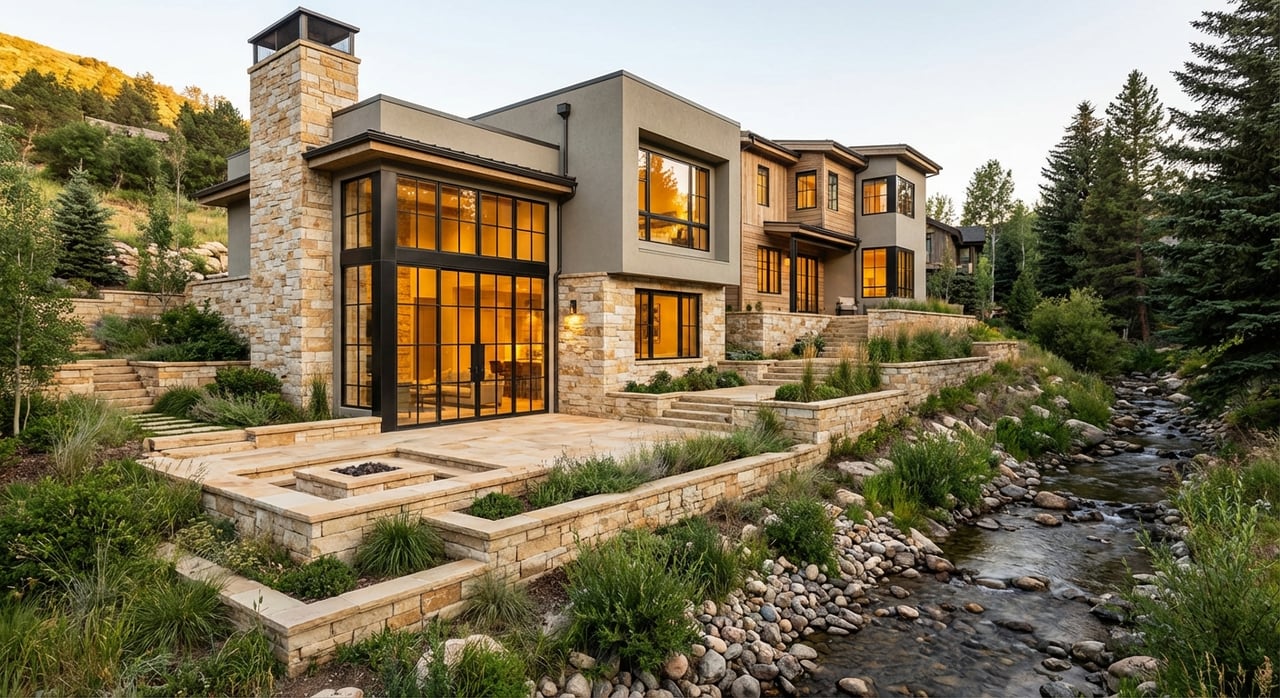
Lots along the valley floor tend to be more level. Inventory can include condos and townhomes near the river, renovated mid-century homes, and a few rare multi-acre riverfront estates. Flat yards and private river access create a coveted lifestyle that often commands a premium when available.
Hillside profiles
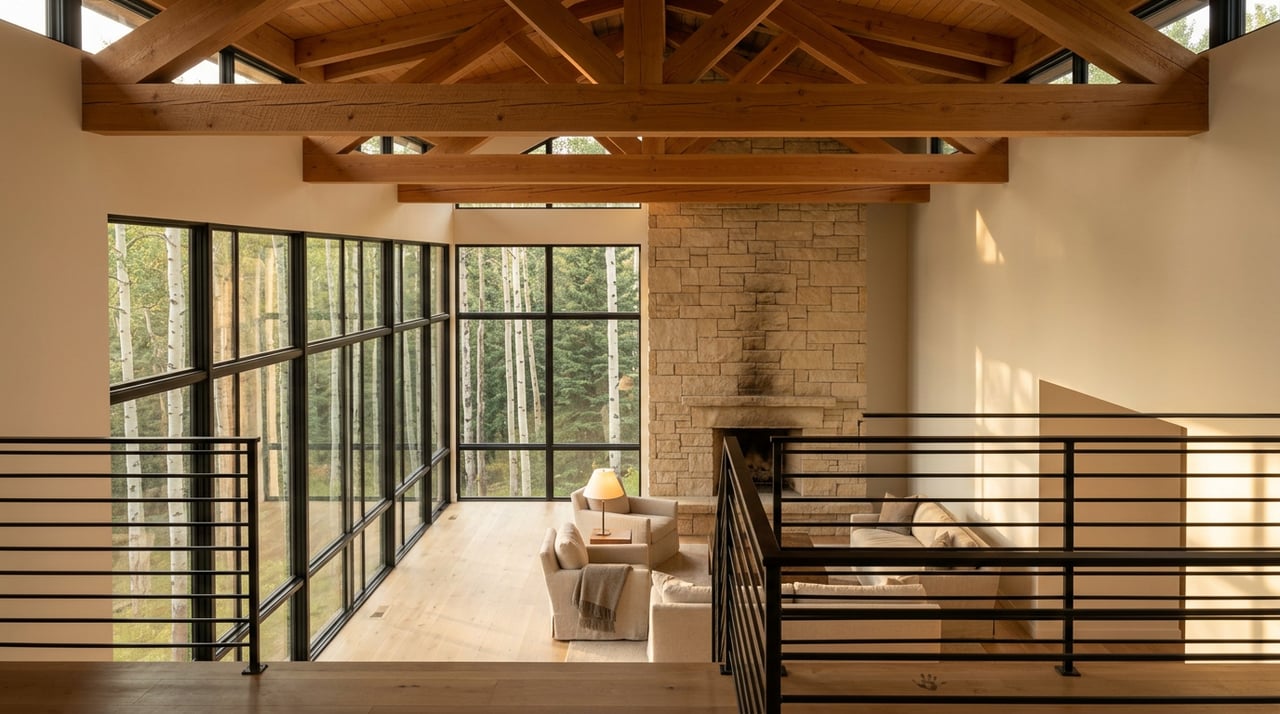
Hillside homes often step with the terrain and use multiple levels to maximize views and privacy. Many are custom, architect-designed properties with terraces and panorama-facing window walls. Ridgeline locations are known for trophy-level estates and legacy parcels.
Maintenance and seasonal operations
Riverfront considerations
Owning next to a river can involve riparian bank stabilization, restrictions on work near water, and seasonal management of public interface like trash or errant takeouts. Parcel-level flood status matters for insurance and remodel planning, and high-water season can affect site feel. Pitkin County’s High-Water Runoff Resources page explains timing and preparedness.
Hillside considerations
Hillside homes often require engineered foundations, retaining walls, and more extensive snow removal. Wildfire mitigation is an ongoing responsibility. Pitkin County has updated regulations to align with Colorado wildfire-resilience standards, which can shape materials, landscaping, and site planning; see county wildfire and code updates.
Rules that shape what you can build
Floodplains, wetlands, and riparian setbacks
Before you set renovation plans, confirm whether a property touches regulated floodplain or wetland areas. Start with the Pitkin County Maps & More resource, which can lead you to flood, riparian, and hazard layers, as well as links to FEMA tools. Begin here: Pitkin County Maps & More.
Conservation and public access
Much of the river corridor neighbors conserved lands, including the North Star Nature Preserve, which is actively managed for both habitat and recreation. Management plans limit access points and uses in order to protect the resource. For planning context, review this overview of North Star’s use and management.
Wildfire and hillside codes
If you are buying on a hillside, expect defensible-space work and material standards to play a role in permits and maintenance. County policy is evolving with state codes, so factor that into timeline and budget. The county’s wildfire updates page is a good starting point.
Value and resale drivers
Scarcity and trophy ridgelines
Top ridgelines with large, legacy parcels remain in short supply. That scarcity, combined with panoramic views and privacy, has historically supported strong demand for hillside trophy assets.
Riverfront amenities and constraints
Private river access, flat usable outdoor space, and protected views are powerful value drivers. Balance those benefits against parcel-specific constraints tied to riparian setbacks, flood designations, and nearby public access that can shape summer activity patterns.
East Aspen market context
East Aspen includes everything from smaller duplex or bungalow product to multi-acre estates, so price ranges vary widely by micro-neighborhood and lot type. Market snapshots often show median prices in the multi-million range, but the specific parcel, setting, and regulatory profile will drive your valuation more than a headline median.
Buyer due-diligence checklist
Use this list to confirm the details that most affect livability, costs, and long-term value. Where possible, run the checks yourself or with your broker before you offer.
- Flood, wetlands, riparian and hazard layers: Pull the address in Pitkin County Maps & More to see floodplain, riparian setback, slope, avalanche, and wildfire layers. If a flood zone is indicated, confirm FEMA mapping and whether an Elevation Certificate could affect insurance.
- Conservation and public access: For riverfront parcels, ask the county about any recorded conservation easements and identify nearby access points or managed takeouts. For background on how North Star balances habitat and recreation, see Aspen Journalism’s overview.
- Utilities and services: Use the county property report to confirm whether the parcel has municipal water/sewer or on-site well and septic. Utility type affects expansion potential, permitting, and carrying costs.
- Wildfire and defensible space: Request the seller’s records for recent mitigation work, then review Pitkin County’s wildfire updates to understand current standards. Budget for ongoing vegetation management on hillside properties.
- Road, driveway, and easements: Verify recorded road easements and any private road or shared driveway maintenance agreements, especially on hillsides and outlying parcels. These agreements can add recurring costs and responsibilities.
- APCHA and deed-restricted checks: If you are evaluating deed-restricted options closer to town, review APCHA’s Ownership Exclusion Zone to understand eligibility and rules.
- Neighborhood-use patterns: For riverfront homes, ask about peak-season floating and parking patterns. Local coverage of North Star’s popularity, such as this report, helps set expectations. For hillside homes, ask about winter plowing, driveway grade, and any history of rockfall or avalanche considerations.
- River health and stewardship: To understand how river levels and ecology change through the seasons, consult the Roaring Fork Conservancy and Pitkin County’s High-Water Runoff Resources.
How to choose your fit
Start with how you want to live day to day. If biking into town on a flat trail, launching a paddleboard in summer, and hosting on a big lawn sound ideal, riverfront may be the right call. If you prize quiet, open views, winter sun, and the feeling of being tucked away, a hillside address might serve you better.
Next, outline the practical costs that matter to you. Hillsides often require more snow and mitigation work and can involve engineered site elements. Riverfront parcels may have higher diligence costs tied to flood status and riparian rules.
Finally, match your long-term plans to the setting. For a legacy estate with privacy and skyline views, hillside and ridgeline parcels remain a classic Aspen choice. For a four-season family base with flat outdoor play space and quick trail-to-town access, riverfront is hard to beat.
Next steps
Choosing between East Aspen riverfront and hillside comes down to aligning lifestyle with site realities and future plans. A property-specific review of flood layers, wildfire codes, utilities, access, and nearby open-space management will give you clarity before you offer. If you want construction-savvy guidance and local context as you evaluate options, connect with Team Hansen for a private consultation or property tour.
FAQs
What areas define East Aspen for homebuyers?
- East Aspen lies east of downtown across the Roaring Fork River and includes the river corridor near Stillwater and North Star, plus hillside neighborhoods like Smuggler, McSkimming, and ridgelines adjacent to Red Mountain.
How busy is North Star in summer for riverfront owners?
- North Star can see seasonal floating and paddleboarding, with managed access points and parking controls; review local reporting like this Aspen Journalism article and ask about the nearest put-ins and takeouts to your parcel.
Does hillside living really get more winter sun?
- South and southwest-facing hillsides generally receive better winter sun than many valley-floor sites, which can improve natural light and snowmelt on and around the home.
Which setting offers easier car-free access to downtown Aspen?
- River corridor homes often have the edge thanks to flat routes along the Rio Grande Trail and East-of-Aspen paths, highlighted in resources like the Aspen Summer and Fall Guide.
What due-diligence tools should I check before offering in East Aspen?
- Start with Pitkin County Maps & More for flood, riparian, and hazard layers, then review wildfire updates and relevant conservation context for any river-adjacent parcel.