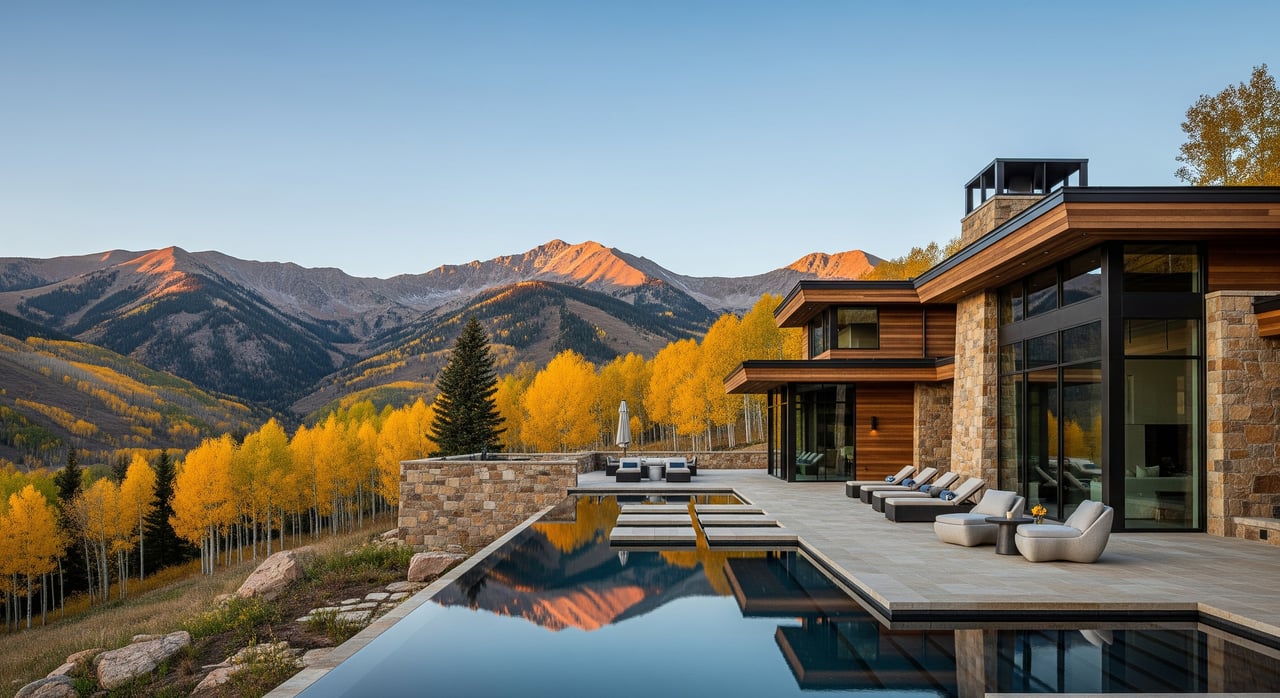
Is your Red Mountain estate priceless in your eyes but hard to price on paper? You are not alone. In this micro market above Aspen, small differences in view, privacy, and design can turn into multi‑million‑dollar swings. In this guide, you will learn a practical, defensible way to price a trophy property so you protect value, satisfy fiduciary duties, and reach the right buyers with confidence. Let’s dive in.
Why Red Mountain pricing is different
Red Mountain is a discreet, trophy enclave with very limited turnover. Many deals happen privately, and public comps are thin. That means traditional valuation tools can be unstable here, and a one‑size approach often misses the mark.
Buyer pools are selective and global. They want privacy, unobstructed views, and quick access to Aspen’s amenities and ski areas. Interest often clusters in late fall and winter, and again in early spring. Your listing timing and exposure strategy can influence who shows up and how they bid.
Local regulations matter. Pitkin County land‑use rules, conservation easements, and design review shape what can be built and how views are preserved. Understanding these constraints is essential to price and to defend that price.
Value drivers you can control and prove
View quality and stability
View is the lead story on Red Mountain. Buyers differentiate between partial or filtered views and panoramic or iconic outlooks. Consider what the view captures, the sun exposure, and whether it is likely to be obstructed in the future.
Use a simple view tier to communicate value: none, partial, framed, panoramic, or iconic. Then document it. Capture photos in different seasons and times of day, and note nearby lots that could impact your line of sight down the road. Small upgrades in view quality can produce large dollar gains at this price level.
Lot and site fundamentals
Buildable area, usable acreage, and topography determine how well a home can sit in the landscape. Steep sites increase engineering costs and can limit additions. Access and utilities also matter. Private road obligations, driveway grades, and sewer or septic requirements can affect buyer interest and lender comfort.
Map every easement and covenant. Conservation and utility easements can limit your build envelope and change value. In mountain settings, wildfire exposure, slope stability, drainage, and rockfall risk influence insurability, which affects demand.
Architectural pedigree that fits
Architectural provenance can command a premium when it fits the site and the buyer pool. Recognizable architects and award‑winning design are perceived as durable and collectible. The key is relevance. If the design protects sightlines, orients to the best sun and view, and solves the site, the premium is more defensible.
Be cautious with highly idiosyncratic homes. If maintenance is specialized or layout limits the audience, the net effect on price can be neutral or negative. Use market evidence where you can, including past sales by the same architect in Aspen or comparable resort markets.
Systems and move‑in readiness
At trophy price points, buyers expect resilient construction and modern mechanicals. Deferred maintenance and outdated systems reduce urgency and invite large credits. Document system ages, warranties, and recent upgrades. Move‑in ready properties tend to shorten time on market and defend higher pricing.
A practical pricing framework
Build a layered comp set
Rely on multiple tiers of evidence, then reconcile:
- Tier 1: Recent Red Mountain sales with similar views, lot position, and architectural quality.
- Tier 2: Nearby high‑end slopes above Aspen with closely aligned site and view drivers.
- Tier 3: Architect or pedigree comparables, either in Aspen or peer resort markets.
- Tier 4: Land or lot sales that clarify the land value if structure is not the primary driver.
- Tier 5: Directional luxury market indicators and private sale intelligence for context.
Your goal is not a single magic number. It is a reasoned range that a sophisticated buyer and their advisors will accept.
Apply thoughtful adjustments
Document why each comp is better, worse, or equal across these categories:
- View: orientation, sweep, foreground and background, obstructions, seasonality.
- Lot and site: buildable envelope, topography, access, and utilities.
- Architecture: pedigree, how well design solves the site, and renovation recency.
- Systems and condition: mechanical upgrades, energy performance, wildfire hardening.
- Market and time: current momentum and any unique local inventory shifts.
Use qualitative weights when data is sparse. The key is a transparent narrative that a buyer, appraiser, or trustee file can follow.
Set pricing bands that protect you
Define three bands before going live:
- Aspirational: Your marketing ceiling if the market responds strongly.
- Target: The price designed to attract qualified buyers and catalyze activity.
- Reserve: Your minimum acceptable net, set with carrying costs and timing in mind.
For trustees, keep a clear record of how you set each band. That supports fiduciary standards and helps explain future pricing moves.
Choose the right exposure strategy
Consider a phased approach. A private pre‑market window to vetted buyers can preserve confidentiality, test pricing, and gather feedback. A full public listing can expand competition and increase pressure on price. The best choice depends on your priorities for discretion, timing, and leverage.
Renovate or credit
The decision comes down to certainty of return, time, and carrying costs. Cosmetic improvements and targeted system upgrades often provide predictable uplift. Major structural redesigns are less likely to pay back before sale.
If the estimated uplift is lower than the cost plus carrying, offer a renovation credit instead. For trustees, get written estimates and independent broker or appraiser opinions to support the file. Some buyers on Red Mountain want turnkey, while others prefer to customize. Your pricing should make either path clear and defensible.
Due diligence that moves the needle
Pre‑packaging your diligence reduces buyer uncertainty and can lift price:
- Current ALTA and topographic survey to confirm boundaries, envelopes, and easements.
- Geotechnical and slope stability reports for hillside assurance.
- Utility capacity and access details, including water rights or taps and sewer versus septic.
- Wildfire risk assessment, defensible space documentation, and mitigation steps taken.
- Conservation easement and any historic or resource overlays.
- Title updates and private road maintenance or access agreements.
- Permit history, certificates of occupancy, and records of any unpermitted work.
Having these in a buyer packet helps shorten inspections, limit retrades, and support higher offers.
Risks that affect buyer demand
Insurance availability for wildfire‑prone mountain properties can be a headwind. Higher premiums or limited carriers reduce the pool of buyers who will engage. Lenders and appraisers can also be conservative with one‑of‑a‑kind homes, especially when comps are sparse.
Anticipate these issues early. Mitigation work, engineering clarity, and clean documentation help both cash and financed buyers proceed with confidence.
Trustee priorities and documentation
Trustees must show a reasonable process to reach fair market value. That means documenting your comp set, adjustments, pricing bands, and marketing exposure. If you choose a private or hybrid approach, record who was solicited and why, how you tested price, and how you evaluated offers.
Coordinate sale timing with tax counsel on basis, gains, and estate considerations. Balance confidentiality with competition. The file should stand on its own if questioned later.
Your Red Mountain pricing checklist
Use this to prepare for valuation and launch:
- Legal and land: ALTA survey, building envelopes, topographic maps, easements, and CCR or HOA documents.
- Structure and systems: Certificates of occupancy, permits, any noted code issues, maintenance records, service contracts, warranties, and system ages.
- Site risk and mitigation: Geotechnical reports, wildfire mitigation and defensible space documentation, drainage evaluations.
- Visual documentation: Professional photos, drone imagery, and view‑line photos in different seasons and times of day.
- Market evidence: A layered comparable set across direct, proximate, architect, and land tiers, plus recent private sale intelligence where available.
- Narrative reconciliation: A written explanation of weighting and adjustments suitable for buyer due diligence, appraisers, and trustee files.
How Team Hansen supports your sale
You deserve advisors who understand Red Mountain’s site dynamics and the expectations of ultra‑discerning buyers. With Aspen‑native roots and Christie's International Realty distribution, Team Hansen pairs discreet, global marketing with hands‑on, construction‑informed counsel.
- Pricing and positioning: We build layered comparable sets, score view and site quality, and create defendable pricing bands.
- Pre‑market readiness: We coordinate surveys, geotech, wildfire assessments, and system tune‑ups that reduce buyer friction.
- Renovation guidance: Drawing on construction experience, we evaluate uplift versus cost and advise whether to improve or offer credits.
- Exposure strategy: We balance private previews with public launch to align with your confidentiality goals and price objectives.
When it is time to bring your property to market, we aim for clarity, documentation, and outcomes that respect both value and discretion. Ready to talk through your estate and see a preliminary pricing range? Connect with Team Hansen for a confidential consultation.
FAQs
How much does a panoramic view add on Red Mountain?
- It depends on the comp set. In trophy markets, unobstructed valley or peak panoramas are major drivers. Use direct view comps, apply conservative adjustments, and use view tiers when numeric proof is limited.
Does a famous architect guarantee a price premium in Aspen?
- Not always. Recognition helps when the design fits the site, protects the view, and matches buyer expectations. If it narrows the buyer pool or increases maintenance, the net effect can be neutral or negative.
Should trustees renovate or sell as is with credits?
- Compare estimated uplift to cost plus carrying. If uplift is lower, offer a credit and document bids and broker or appraiser opinions to support fiduciary decisions.
How do you price with very few Red Mountain comps?
- Use a blended approach: direct Red Mountain sales, proximate high‑end comps, architect or pedigree sales, and land values, then reconcile with a qualitative adjustment matrix.
What listing timing works best for Aspen luxury sellers?
- Buyer interest often clusters in late fall and winter, and again in early spring. Align timing with market readiness and exposure strategy to reach the widest qualified audience.
How do off‑market offerings stay compliant for trustees?
- Maintain a written plan, solicit multiple qualified buyers through vetted networks, use NDAs and proof of funds, and document offers and your valuation rationale to demonstrate best efforts for fair market value.