Torn between the quiet of Woody Creek and the energy of Aspen? You are not alone. Both sit along the Roaring Fork Valley and offer world-class mountain living, but the day-to-day experience feels very different. In this guide, you will see clear trade-offs on privacy, access, services, property types, and rules so you can match each area to your goals. Let’s dive in.
Location and access
Living in Woody Creek places you along State Highway 82 between Basalt and Aspen. The drive into Aspen is a short valley run, but actual commute time depends on traffic, weather, and winter road conditions. You should plan for snow, ice, and occasional chain restrictions, and test travel times that match your routine.
Aspen sits at the head of the valley with a compact street grid and walkable neighborhoods. You can move around town by foot or bus without relying on your car. Regional bus service typically connects Aspen, the Woody Creek area, and nearby towns, which helps if you prefer to avoid parking in town. The Aspen/Pitkin County Airport serves both areas, though actual drive times vary by property and route.
Lifestyle and character
Woody Creek lifestyle
Woody Creek feels rural and low density. You tend to see larger parcels with more separation between homes. If you value quiet, private outdoor space, or room for equestrian uses or hobby projects, the setting fits that rhythm. Day-to-day errands often mean a short drive to Basalt or Aspen for groceries, restaurants, and services.
The lifestyle here leans property-centered. You may host friends at home, spend time on your land, or head straight from your driveway to nearby rural trails. Pedestrian infrastructure is limited, so you will rely more on your car. The trade-off for space and privacy is fewer services in your immediate neighborhood.
Aspen lifestyle
Aspen offers a compact, walkable mountain town experience. You can step out to dining, shopping, galleries, and cultural events throughout the year. You also get quick access to ski areas, downtown trailheads, and fitness studios. It is lively, especially in high season.
Municipal services are concentrated in town, including public utilities and transit. Daily needs are close at hand, and you can often handle errands without a car. The vibe is active and social, with more tourism in peak periods. If you want nightlife and convenience, Aspen supports that lifestyle.
Property types and land use
Lot sizes and building styles
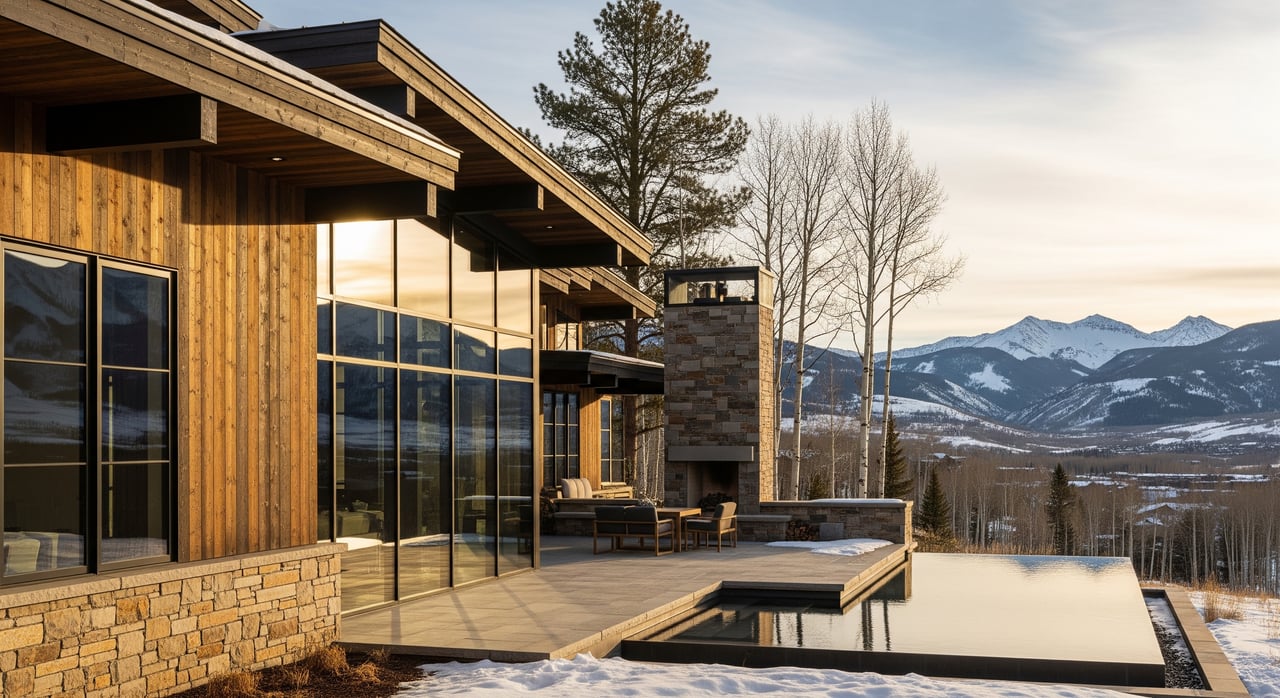
Woody Creek parcels often skew larger and feel more rural. You will find acreage properties, ranch settings, and custom single-family homes set back from Highway 82. Lot coverage is lower, and rural design guidelines and setbacks typically apply. This pattern supports privacy, space for outbuildings, and broad outdoor living areas.
Aspen offers mixed density. Near downtown, condominiums and townhomes are common, with vertical and mixed-use buildings in central areas. Single-family lots exist across neighborhoods, from smaller infill parcels to larger estates at the edges of town. The variety lets you target walkability, views, or house size within city limits.
Zoning, permits, and approvals
Woody Creek sits in unincorporated Pitkin County. Zoning, building permits, wastewater, and water rights are managed at the county level. You should confirm allowed uses, lot size minimums, setbacks, height limits, and any design review or covenants tied to specific properties or private communities.
Aspen properties are subject to City of Aspen planning and municipal codes. City rules cover density, historic preservation in certain districts, and short-term rentals. Whether you buy in town or in the county, verify permitted uses early, including potential accessory units, agricultural or equestrian uses, and any neighborhood restrictions.
Utilities and services
Aspen neighborhoods closer to downtown typically have municipal water, sewer, trash, and stormwater infrastructure. Services tend to be consistent. This can simplify daily life and reduce the number of private systems to manage.
Woody Creek homes more commonly rely on private wells, septic systems, and propane or natural gas by tank. Some properties sit on private roads or share maintenance agreements. Broadband, cell service, and power reliability can vary in rural settings, so it is smart to test service at the property and confirm provider options.
Short-term rentals and taxes
Short-term rental regulations differ between the City of Aspen and Pitkin County. Aspen has historically used more intensive permitting and taxation, while Pitkin County operates its own rules and has considered permit systems and caps. If you plan any rental activity, confirm current rules, lodging or occupancy taxes, and permit requirements specific to your address. A tax professional can help you model costs and returns.
Risks and environmental factors
Both Aspen and Woody Creek sit in mountain landscapes with wildfire risk. Larger, more vegetated parcels in Woody Creek may come with higher defensible-space requirements, and insurance availability and cost can vary by property. You should consider a local wildfire risk assessment and mitigation plan early.
Properties near rivers or streams require floodplain due diligence. Check FEMA flood maps and any local flood overlays for a given parcel. Also ask about other hazards like steep-slope stability. Environmental overlays, conservation easements, or open-space covenants can shape development rights, so review county and city records during your inspection period.
Who each area fits
Scenario A: Privacy and acreage
If your top priority is space, privacy, and room for outdoor projects, start in Woody Creek. Focus on parcels with the acreage you need and confirm permitted uses for barns, horses, or accessory structures. In due diligence, prioritize well and septic reports, water rights, wildfire mitigation plans, and any road maintenance or shared driveway agreements.
Scenario B: Walkability and ski access
If you want restaurants, nightlife, cultural programming, and direct access to ski areas, Aspen is the natural fit. Target neighborhoods that keep you close to downtown and transit. Review parking logistics, condo or homeowners association rules, and short-term rental regulations if you intend to rent your home when you are away. Plan for seasonal tourism activity near the core.
Scenario C: Split time and airport access
If you balance year-round work with seasonal travel, both areas can work well. In Woody Creek, confirm bus access or reliable parking and test drive times to the airport. In Aspen, look for neighborhoods with strong transit frequency and easy routes for flights. Your final choice may come down to privacy preferences and commute patterns.
Scenario D: Proximity to schools and services
Aspen has a concentration of schools and community services within town. If you value shorter trips to those amenities, in-town living can help. Woody Creek families can access regional schools but should test commute times and school logistics that match daily routines. A practical tour that overlaps school and work hours will clarify the fit.
Property tour checklist
Use this quick checklist to compare addresses side by side:
Site and access
- Drive the route to Aspen and the airport at your typical travel times, including a winter-condition test if possible.
- Verify whether access is by county road, private road, or shared driveway. Confirm snow removal responsibilities.
- Note driveway grade and turning space for guests, deliveries, and emergency vehicles.
Utilities and services
- Identify water source: municipal or private well. Request well logs, pump capacity, and water quality tests for wells.
- Confirm sewer or septic. Review septic permits, age, and capacity, and order an inspection.
- Verify electricity provider, propane delivery, and line locations. Ask about reliability and options to bury lines.
- Test broadband speed and cell coverage on site. Ask providers about planned upgrades.
Legal and land use
- Confirm zoning, permitted uses, and any HOA or private covenants in writing with the relevant planning department.
- Check for conservation easements, historic overlays, or development restrictions on title.
- If you plan to rent, verify short-term rental eligibility and whether any permits transfer with the property.
Environmental and risk
- Order a wildfire risk assessment and review defensible-space requirements.
- Check FEMA flood maps for the parcel and any local floodplain overlays.
- Ask about drainage, snow-shedding, and any known natural hazards.
Physical property
- Review roof age, HVAC systems, insulation, and foundation details suited to cold climates.
- Inspect for drainage issues and note snow storage areas on site.
- If possible, see the property in both summer and winter.
Financial and tax
- Review property tax history and any special district assessments.
- Confirm lodging and sales taxes if renting, plus any local fees.
- Price insurance early, especially for rural or wildfire-prone parcels.
Neighborhood and lifestyle
- In Aspen, walk downtown and test transit and parking.
- In Woody Creek, check the distance to groceries, health care, and schools at different times of day.
- Visit weekdays and weekends to sample noise and activity levels.
How to choose with confidence
Start with your daily rhythm. If you want a quiet setting, room for projects, and a home life centered on your property, Woody Creek checks those boxes. If you want to step into town for dinner, events, or the lift, Aspen keeps everything close. Either way, verify rules and infrastructure early so there are no surprises.
When you tour, bring a clear list of must-haves and deal-breakers. Pay attention to utilities, road maintenance, and any rental plans. Ask planning departments to confirm rules in writing. For many buyers, a two-stop tour with one Aspen address and one Woody Creek address clarifies the fit in a single afternoon.
How Team Hansen helps
As Aspen-native advisors backed by a luxury network, we bring practical, on-the-ground insight to both areas. If you are exploring a rural Woody Creek parcel, construction-informed guidance helps you evaluate wells, septic systems, site access, and build potential. In Aspen, we help you weigh condo or townhouse rules, parking, and short-term rental strategy.
Beyond purchases and sales, you can tap support for seasonal rental placement, leasing and management needs, and new-construction or renovation consultation. That blend lets you compare ownership paths, from a legacy estate to a lock-and-leave condo, with clear, real-world inputs. When the right property appears, you will be ready to act with confidence.
Ready to walk properties and compare your options side by side? Reach out to Team Hansen for a private consultation or curated tour tailored to your lifestyle priorities.
FAQs
What is the commute like between Woody Creek and Aspen in winter?
- Commute time varies by traffic, weather, and road conditions on Highway 82, so test routes during typical winter hours and consider chain or traction requirements.
How do short-term rental rules differ in Aspen and Pitkin County?
- The City of Aspen and Pitkin County run separate short-term rental rules and taxes; confirm current permits, eligibility, and costs for the specific address you are considering.
Which utilities are common for Woody Creek homes?
- Many Woody Creek properties use private wells, septic systems, and propane or tanked gas, and may have private road maintenance; verify details and service reliability during due diligence.
Which area is better for privacy and acreage?
- Woody Creek typically offers larger lots and a rural feel with more separation between homes, which suits buyers prioritizing space, projects, or equestrian use.
How does public transit connect Woody Creek and Aspen?
- Regional bus service generally runs along the valley, linking Aspen with stops near the Woody Creek area and neighboring towns, which reduces the need to park in town.