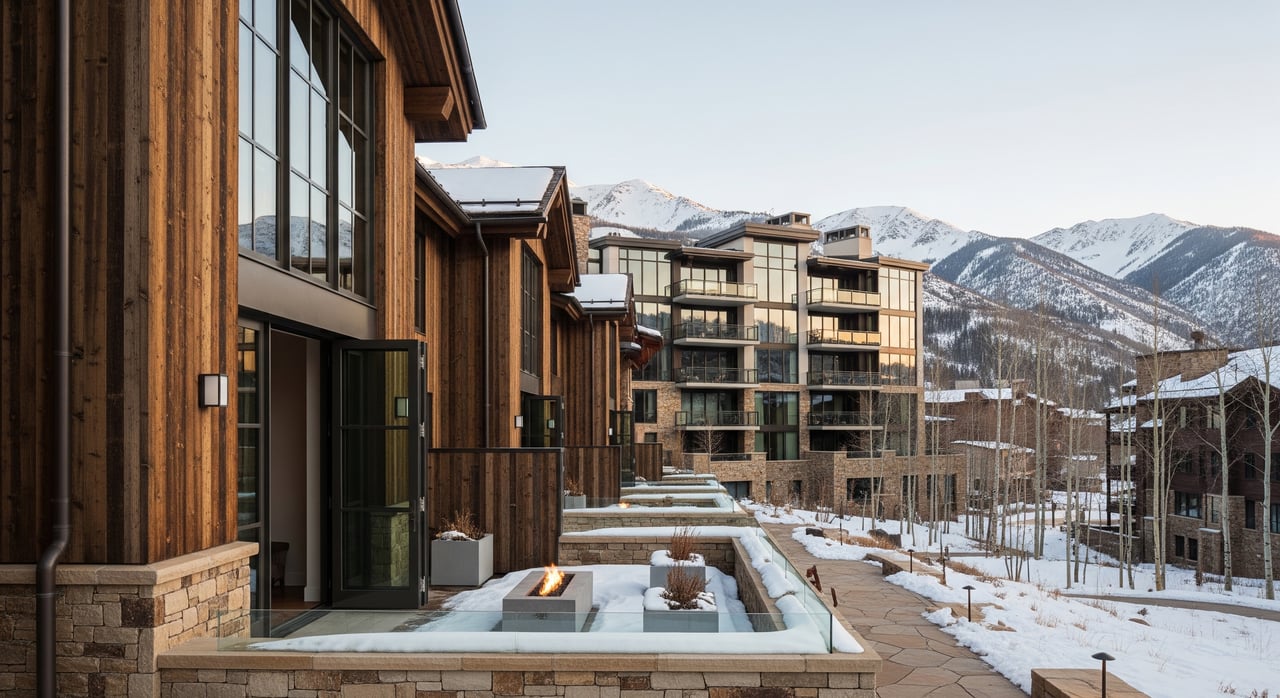
Shopping in Snowmass Village and torn between a townhome and a condo? You’re not alone. Each option offers a different mix of ski convenience, privacy, ongoing costs, and rental potential. By the end of this guide, you’ll understand the key tradeoffs, the questions to ask, and how to match a property type to the way you want to use it. Let’s dive in.
Townhome vs. condo basics
Before you compare lifestyle perks, confirm how the property is legally structured. In Snowmass Village, a “townhome” can be fee-simple ownership or it can be part of a condominium association. That legal form affects maintenance, insurance, financing, and even renovations.
Ownership structures to verify
- Condominium regime: You own the interior of your unit plus an undivided interest in common elements. The association usually covers exterior, roof, landscaping, and shared systems.
- Fee-simple townhome: You own the land and the structure. An HOA may still manage snow removal, shared drives, or limited exterior items, but you typically handle the roof and exterior.
- Townhome within a condo declaration: Some attached “townhomes” are actually condo-style units. In that case, exterior responsibilities mirror condos.
Action step: Ask for the recorded declaration, plat, and unit deed so you know exactly what you own and what the HOA maintains.
Physical and layout differences
- Townhomes often feel closer to single-family living. Expect multi-level layouts, a private entry, and sometimes a garage or driveway parking.
- Condos are typically single-level within a larger building. You’ll share corridors and elevators, with centralized amenities like a lobby, pool, or ski storage.
In Snowmass Village, condos in or near Base Village often offer the closest walk to lifts and on-mountain amenities. Townhomes can trade a bit of that proximity for more space and privacy.
Cost of ownership in Snowmass
Your total cost includes purchase price, financing, taxes, HOA dues, insurance, utilities, and maintenance. The mix looks different for condos and townhomes.
Purchase price and resale
- Townhomes often command a premium for space, private entries, and parking. Price per square foot can vary based on views, location, and ski access.
- Condos near Base Village or with in-house rental programs can support higher prices thanks to better nightly rates and occupancy. These developments can also resell faster due to brand recognition and guest demand.
HOA dues and what they cover
- Condos: Dues usually cover building insurance, exterior maintenance, snow removal, common-area utilities, management, and amenities. More amenities raise dues.
- Townhomes: Dues may be lower if you handle roof and exterior. They still often cover shared roads, snow removal, landscaping, and common insurance.
Important documents: Review the budget, reserve study, and recent meeting minutes. Look for special assessments and planned capital projects.
Insurance by property type
- Condos: You’ll likely carry an HO-6 policy for interior finishes, personal property, and liability. The HOA’s master policy typically covers exteriors and common elements. Confirm whether the HOA policy is all-in or bare-walls.
- Fee-simple townhomes: You’ll likely need an HO-3 or HO-5 policy that covers the structure and exterior, which can cost more.
Snowmass climate brings heavy snow and freeze-thaw cycles that can affect premiums. Ask for quotes early in your process.
Property taxes and lodging taxes
Property taxes are assessed by Pitkin County and reflect the area’s higher market values. If you plan to rent short term, expect local lodging taxes and state sales tax on rental income. Always verify current rules and rates before you buy.
Financing considerations
- Condos: Lenders scrutinize projects for owner-occupancy ratios, reserves, and litigation. Some resort condos do not meet standard underwriting, which can limit conventional loan options.
- Townhomes (fee-simple): Financing can be more straightforward since you own the land and structure. Loan terms still depend on the specific property and your profile.
- Cash buyers are common in resort markets, which can influence pricing and competition.
If you need FHA or VA financing, confirm whether a condo project is approved and ask your lender about any resort-specific hurdles.
Lifestyle and ski access
Your ideal fit depends on how you plan to use the property during ski season and beyond.
Proximity to lifts and Base Village
- Condos clustered near Base Village often provide the shortest walk to lifts and amenities, and may include ski lockers or ski-in/ski-out access.
- Townhomes are sometimes a bit outside the core. You may gain a quieter setting and private parking while relying on a short drive or shuttle to the lifts.
Space, privacy, and family use
- Townhomes: Great for families or groups that want multiple bedrooms, a private entry, and potentially a garage. More storage for skis, bikes, and gear.
- Condos: Ideal if you want a simple lock-and-leave setup with building-managed maintenance and shared amenities.
Parking and storage
Deeded parking and garage space are premium features in Snowmass, especially near Base Village. On-site ski storage and boot rooms in condo buildings add both convenience and rental appeal.
Pets and rules
HOA regulations vary widely. Some condos have strict policies on pets and short-term guests, while certain townhome communities are more permissive. If pets are part of your plan, confirm size limits and rules before you offer.
Seasonal usability and maintenance
- Lock-and-leave: Condos with on-site management shine for part-time owners who want minimal upkeep or a seamless rental program.
- Townhomes: You may manage winterization, snow removal around entries, and periodic checks if the home sits vacant. This can mean more hands-on involvement or local support services.
Renting your property
Rental potential is a major factor for many Snowmass buyers. The top variables are rules, location, amenities, and management.
Local regulations to confirm
The Town of Snowmass Village and Pitkin County both regulate short-term rentals. Check licensing, permitted dwelling types, occupancy limits, safety requirements, and applicable taxes. Rules evolve, so verify current standards before relying on rental income.
HOA rental policies
Not all associations allow nightly rentals. Others require minimum stays, owner registration, or use of an on-site manager. If rental income is a priority, request the HOA’s rental policy and, when possible, historical rental statements for similar units.
What drives revenue in Snowmass
- Proximity to lifts and Base Village
- Unit size and layout that accommodate families
- Amenities such as pool, spa, concierge, or front desk
- Deeded parking, garage access, and quality ski storage
- Professional management and marketing reach
Winter is peak season, but shoulder seasons can add meaningful occupancy thanks to biking, hiking, and festivals.
Operating expenses and NOI
Account for HOA dues, utilities, cleanings, property management fees, booking platform fees, lodging taxes, routine maintenance, and reserves. Branded or hotel-condo programs may take a larger revenue share but can deliver higher occupancy and guest services.
Taxes and compliance
Short-term rental income is taxable. You may be eligible for depreciation and expense deductions, but reporting can be complex due to sales and lodging taxes. Work with a CPA who understands Colorado resort rentals.
Which fits your goals
Use these quick profiles to align property type with how you’ll use it.
- Choose a townhome if you want multi-level living, a private entry, garage or driveway parking, and extra storage for gear. This is a strong fit for families or extended stays where space matters more than being steps from the lifts.
- Choose a condo if you want turnkey ease with building-managed maintenance, the shortest walk to skiing, and strong amenity-driven rental demand. This is ideal if you value simplicity and plan to visit for shorter, more frequent trips.
Buyer checklist for Snowmass
Work through this list to reduce surprises and speed up due diligence.
Title and legal documents
- Confirm whether the property is a condo or fee-simple townhome.
- Request the recorded declaration, plat, and unit deed.
HOA due diligence
- Review budget, reserve study, CC&Rs, bylaws, rules, and meeting minutes.
- Confirm rental, guest, pet, and parking policies.
- Ask about special assessments and capital projects.
Financials and rental history
- Request past 12 to 24 months of rental income and occupancy, if available.
- Review management agreements and commission structures.
- Build a typical expense model for HOA, utilities, taxes, cleaning, and management.
Insurance and inspections
- Confirm the HOA master policy coverage and get an HO-6 or HO-3/HO-5 quote.
- Order a professional inspection. Focus on roof and exterior for townhomes, and building systems such as plumbing and heating for condos.
Financing and resale
- If you need FHA or VA, verify project approvals for condos.
- Ask lenders about resort underwriting factors such as owner-occupancy ratios and litigation.
- Review comparable sales and days on market for similar units.
Local regulations
- Verify current short-term rental licensing, safety requirements, and lodging tax rules with the Town and County.
- Understand registration steps and required remittances if you plan to rent.
Lifestyle fit
- Estimate how many weeks per year you will use the home.
- Decide how important garage parking, pet flexibility, and on-site services are to you.
- Weigh walkability to Base Village against the benefits of space and privacy.
Micro-location in Snowmass
- Measure distance to lifts and shuttle stops and evaluate winter walking routes.
- Consider views, sun exposure, and noise from nearby venues.
- Confirm deeded storage and ski locker availability.
Resale and exit strategy
Think about who will buy the property after you. Condos in recognized developments near the lifts can draw strong demand and may sell faster due to turnkey appeal and rental performance. Townhomes often attract end users who prioritize space and privacy, which can support pricing for the right buyer. Review recent comparable sales and average days on market to understand liquidity in your specific building or neighborhood.
How Team Hansen helps
Selecting the right Snowmass property is part market knowledge and part lifestyle planning. You get both with a local, construction-informed team that understands how HOA structures, winter maintenance, and rental programs affect total cost and long-term value. Whether you are weighing a Base Village condo for rental income or a quiet townhome for family time, you’ll benefit from guidance that integrates ownership costs, financing realities, and resale positioning.
If you’re ready to compare specific properties, we can assemble HOA documents, outline rental scenarios, coordinate inspections, and connect you with lenders and insurance pros who know resort underwriting. When you want clarity and confidence, partner with Team Hansen.
FAQs
How do Snowmass HOA responsibilities differ by property type?
- In condos, the association usually handles exterior, roof, and common areas. In fee-simple townhomes, you often handle the roof and exterior while the HOA manages shared items like snow removal.
Which has lower ongoing costs in Snowmass, townhomes or condos?
- It depends on amenities and maintenance scope. Condos can have higher dues for services and amenities, while townhomes may shift exterior costs to the owner but have lower monthly HOA fees.
Which is better for ski access in Snowmass Village?
- Condos near Base Village typically offer the shortest walk to lifts and on-site ski storage. Townhomes may trade a bit of proximity for more space, privacy, and private parking.
How do rental rules affect Snowmass condo vs townhome choices?
- HOA and local rules vary. Some buildings allow nightly rentals with management support, while others restrict stays or require permits. Always verify HOA policies and local licensing before you buy.
Do lenders treat Snowmass resort condos differently?
- Yes. Lenders review condo projects for owner-occupancy, reserves, and litigation. Some resort condos do not meet conventional underwriting, which can limit loan options. Fee-simple townhomes can be easier to finance.
What improves resale prospects in Snowmass Village?
- Recognized developments near lifts, strong amenities, rental performance, and deeded parking can boost demand. For townhomes, larger layouts, privacy, and garages appeal to end users.