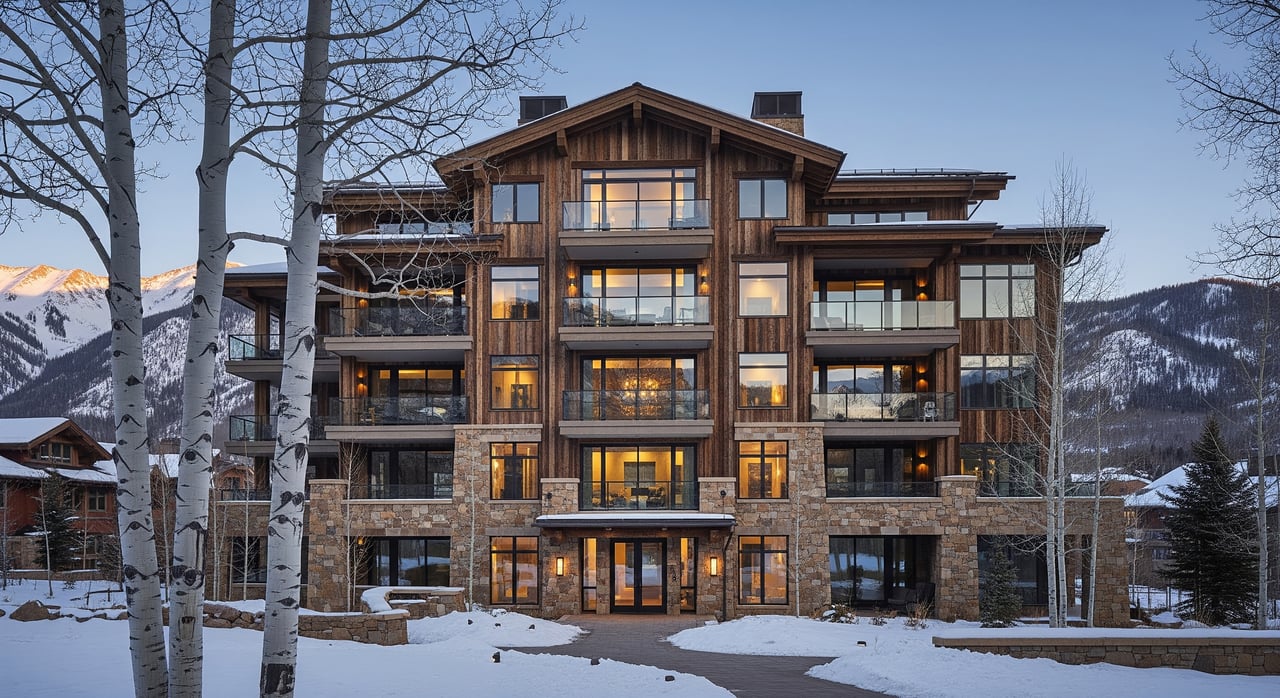
Comparing luxury condos in Aspen Core can feel like choosing between great options. You want the right mix of convenience, privacy, ski access, and rental flexibility. This guide breaks down how buildings differ and gives you a simple way to compare them side by side. You’ll leave with a clear checklist and next steps so you can buy with confidence. Let’s dive in.
Aspen Core at a glance
Aspen Core is compact and highly walkable, centered on Main Street, Hyman Avenue, and the base of Aspen Mountain. Most luxury condos are minutes from shops, restaurants, and the Ajax gondola. That location is a big reason why the area commands some of the highest prices per square foot in the country.
Inventory is limited, so building characteristics drive major differences in value and ownership costs. Your decision often comes down to lifestyle: full-service living, owner control and privacy, top-tier ski access and views, or rental flexibility.
Building types and how they differ
Hotel-residences
These pair private residences with a luxury hotel at the same address. You get concierge, housekeeping options, room service, valet, spa, and a ski valet, plus on-site management. Locations are often prime, with excellent walkability and quick access to the gondola.
There are two common models. Some offer a pure residence experience with optional hotel services built into fees. Others run as condo-hotels with an organized rental pool, revenue sharing, and hotel rules. Expect higher service fees, a strong turnkey experience, and more structure around rentals and owner use.
Amenitized luxury condos (non-hotel)
These are private condominiums with upscale features such as a front desk or concierge, fitness rooms, heated garages, ski lockers, and owners’ lounges. You get strong walkability and solid amenities without the full hotel program.
HOAs operate like traditional associations. Rentals are usually allowed under association rules, and you will likely have more control and lower service fees than in hotel-residences. Service is less on-demand, but ownership is simpler.
Large condo-apartment complexes
Larger complexes deliver resort-style amenities and more units. You may see multiple pools or saunas, spacious fitness centers, and on-site rental desks. These buildings are still within the core, though views vary by building placement and unit orientation.
HOA dues can be higher in aggregate to maintain extensive facilities. Rental rules vary, but the internal infrastructure can make renting easier. These properties can offer more square footage for the dollar due to a wider unit mix.
Boutique and historic luxury conversions
Boutique properties often have fewer, distinctive residences, sometimes within renovated historic buildings. You might find larger floor plans, private terraces, and unique architectural character. Amenities are lighter, and on-site staffing may be limited.
These buildings tend to have lower ongoing service fees and a traditional HOA structure. They appeal to buyers who value privacy and design. Pay close attention to building maintenance and reserve funding.
Quick comparison table
| Building type | Service level | Typical amenities | HOA and rental model | Walkability and views | Best for |
|---|---|---|---|---|---|
| Hotel-residences | Highest | Concierge, housekeeping, room service, spa, valet, ski valet | Higher fees; may include a hotel rental pool with revenue share and hotel rules | Prime core locations; excellent ski access; strong view potential | Turnkey living and structured rental programs |
| Amenitized luxury condos | High | Front desk/concierge, gym, heated garage, ski lockers, owners’ lounge | Traditional HOA; rentals allowed per HOA rules; fewer hotel-style restrictions | Very walkable; views depend on orientation | Balance of service and owner control |
| Large condo-apartment complexes | Medium | Multiple pools/saunas, large gyms, on-site rental desks | Higher aggregate dues to operate big amenities; rental rules vary | Walkable; views vary by placement | Value within the core and robust amenities |
| Boutique/historic conversions | Select | Smaller gyms or none, private terraces, unique finishes | Traditional HOA with lower service overhead; rentals per HOA rules | Very central; character views; quieter orientations possible | Privacy, character, and lower recurring fees |
What matters most to you
- Turnkey service: If you want hotel-level convenience, focus on hotel-residences or the most amenitized condos. You’ll pay more in fees, but daily living is easy.
- Owner control: If you prefer autonomy and simpler rules, consider amenitized condos or boutique buildings with traditional HOAs.
- Ski access and views: Slope-facing units and prime gondola proximity command premiums regardless of building type.
- Privacy and character: Boutique and historic buildings can deliver uniqueness and discretion, often with fewer shared spaces.
- Rental flexibility: Condo-hotels and large complexes tend to offer built-in rental solutions, while traditional condos vary by HOA rules.
How to compare buildings side by side
Use this checklist to evaluate each option on equal footing.
Amenities and services
- List what’s included in HOA dues vs what’s available for an extra cost.
- Note who operates services: the HOA, a third-party manager, or a hotel operator.
- Confirm seasonality for pools, gyms, and locker rooms.
Views and orientation
- Identify slope views versus town or park views and price accordingly.
- Consider noise exposure on Main Street or Hyman compared with rear or courtyard fronts.
- Track sun exposure by orientation to understand natural light and winter snowmelt.
Walkability and micro-location
- Estimate minutes to the gondola base and Main Street shops and restaurants.
- Map nearby attractions like the art museum and venues you plan to frequent.
HOA structure and finances
- Compare monthly dues and what they include: utilities, internet, staffing, and reserves.
- Review special assessment history and ask for the reserve study.
- Understand the management model: on-site professional management or an owner-run board.
- Confirm insurance structure and deductibles.
Rental rules and income potential
- Verify whether short-term rentals are allowed and minimum stay requirements.
- If a condo-hotel, review revenue splits, management fees, and occupancy history.
- Confirm current local policies and taxation with the town and association.
Parking, storage, and ski features
- Check for deeded garage spaces, valet, or street parking and any guest policies.
- Confirm ski locker availability, ski valet services, and summer storage options.
Taxes, insurance, and financing
- Review Pitkin County property tax assessments and trends for the unit.
- Understand insurance requirements and what the master policy covers.
- Ask your lender about financing options for non-primary residences and condo-hotels.
Ownership experience and operations
- Clarify guest access policies, owner booking priority, and any use caps.
- Review HOA meeting minutes and any litigation history.
Due diligence documents to request
Gather these for each building and unit you are considering.
- Condominium docs: Declaration/CC&Rs, bylaws, rules and regulations.
- HOA financials: current budget, last three years of P&L, reserve study, and any CPA reviews or audits.
- Association minutes for the last 12 to 24 months.
- Insurance certificate and master policy summary.
- Rental contracts for condo-hotels, including revenue breakdown and owner use rules.
- Unit items: current tax assessment, recent utility bills, open code issues, and certificate of occupancy if relevant.
- Building condition data: inspection reports and scope of recent capital projects such as roof, mechanicals, facade, and elevator.
Representative scenarios you’ll see
Luxury hotel-residences
- Buyer fit: You want full-service living, prime access, and a ready-made rental path.
- Key checks: Review the residence-hotel agreement, rental pool contract, revenue share, and historical occupancy and income. Confirm any owner blackout dates.
Large condo-hotel or resort complexes
- Buyer fit: You want extensive amenities and an on-site rental desk.
- Key checks: Study HOA financials and reserve funding, unit assessment history, and rules on rentals and outside managers. Ask about planned capital projects.
Boutique luxury condos and historic conversions
- Buyer fit: You value privacy, design, and lower ongoing service costs.
- Key checks: Confirm the condition of historic elements and the scope of recent renovations. Ask for warranty details and exterior or structural project plans noted in minutes.
Value luxury in larger multi-unit properties
- Buyer fit: You want more square footage per dollar and durable rental demand.
- Key checks: Identify which amenities drive costs and whether owners can adjust service levels. Verify parking allocations and storage.
Costs, taxes, and financing
HOA dues in the core are meaningful because they fund staffing, insurance, utilities, and reserves. Hotel-residences and condo-hotels typically sit at the high end due to services. In traditional condos, compare fees against what they cover, since some include major utilities that offset costs elsewhere.
Property taxes and insurance requirements vary by unit and building. Review the current tax assessment and the building’s master policy to understand coverage and deductibles. For financing, note that some lenders limit loans on condo-hotel units, so confirm eligibility early.
Smart next steps
- Work with a local Aspen specialist to access the latest comparable sales, HOA documents, and rental histories.
- Request Pitkin County property records and building management disclosures for clarity on taxes and maintenance.
- Verify rental rules and taxation with local authorities and association documents before you buy.
You deserve a condo that fits how you actually live, visit, and host. If you want seasoned, construction-informed guidance and a clear comparison of your top buildings, connect with Team Hansen for a private consultation or property tour.
FAQs
What is the difference between hotel-residences and condo-hotels in Aspen Core?
- Hotel-residences are private condos with access to hotel services, while condo-hotels also operate a rental pool with revenue sharing, hotel rules, and higher management fees.
Are short-term rentals generally allowed in Aspen Core condos?
- Many buildings allow short-term rentals, but rules vary by HOA and building model, and you should confirm current town policies and any minimum stay requirements before you buy.
How close are most Aspen Core condos to the gondola?
- Many addresses are within a short walk of the Ajax gondola, though exact distance varies by block and building orientation.
How do HOA fees compare across building types in Aspen Core?
- Fees tend to be highest in hotel-residences and condo-hotels due to included services, while amenitized condos and boutique buildings often have lower recurring costs.
Can I finance a condo-hotel unit in Aspen Core?
- Financing is possible but more limited, since some lenders restrict loans on hotel-tied units, so you should confirm options with a lender early in your search.