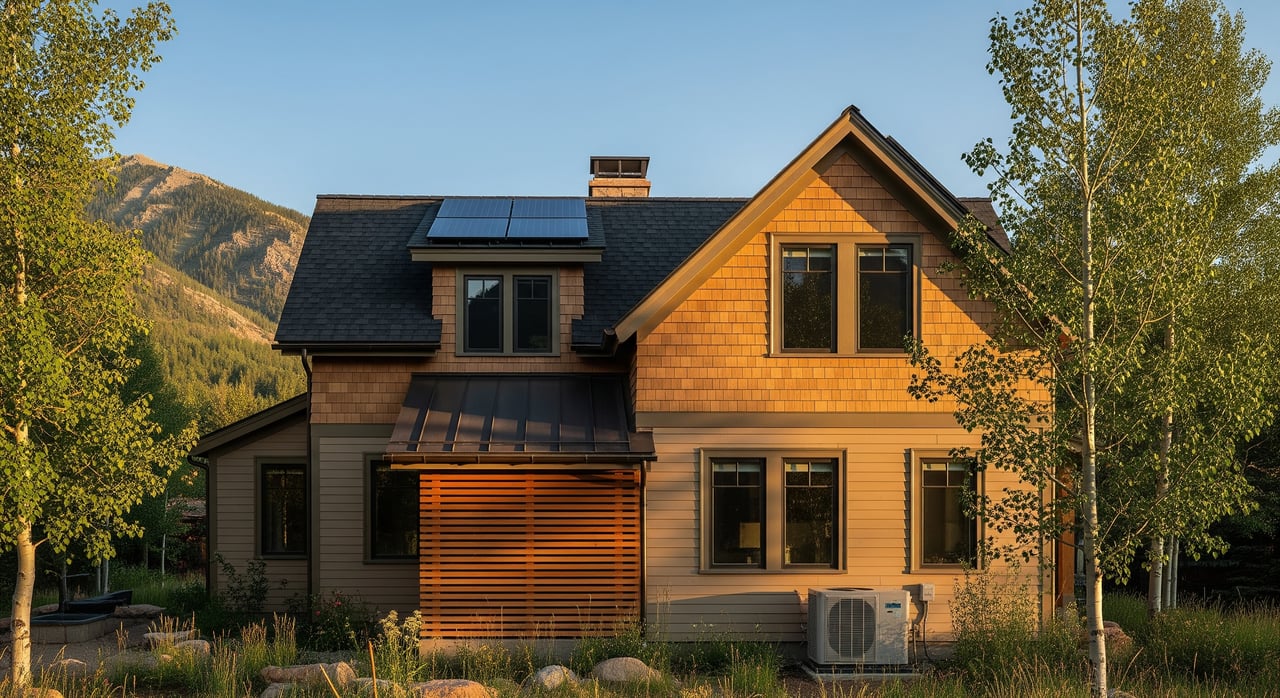
If you own a home in Aspen’s West End, you know winter here is beautiful and demanding. Long cold snaps, bright high‑altitude sun, and heavy snow can test older mountain buildings, especially historic ones with charming details but thin insulation. You want more comfort and lower energy use without risking your home’s character. This guide shows you where to start and how to prioritize upgrades that work in our climate and respect preservation rules. Let’s dive in.
Why energy upgrades matter in West End
Older West End homes often lose heat through attics, walls, and leaky windows. High elevation also affects how boilers and other combustion appliances perform. These factors raise heating costs and increase the risk of ice dams if your roof is under‑insulated or leaky.
The good news is you can reduce heat loss, stabilize indoor temperatures, and protect your home by focusing on the right sequence: air sealing, insulation, radiant heat tuning, and smart controls with proper ventilation. When you plan upgrades with preservation in mind, you improve comfort and keep the historic character intact.
Start with an energy assessment
A whole‑house assessment gives you a clear baseline and priority list. It also helps you avoid unintended issues, like trapping moisture in historic assemblies.
What to assess
- Blower door testing to find air leaks, paired with thermal imaging to see heat loss patterns.
- Heating system inventory, including boiler age, capacity, pump types, zones, and supply/return temperatures.
- Window and door condition, air leakage, and potential for restoration or storms.
- Attic, roof, rim joist, wall, and floor insulation levels and continuity.
- Combustion safety and ventilation performance, especially at altitude.
Who to hire
- A building performance pro for diagnostics and recommendations.
- A hydronic specialist to tune radiant systems and verify altitude settings.
- An insulation contractor with historic retrofit experience.
- A window restoration specialist or preservation carpenter if you plan to keep original sashes.
Tune radiant heat for comfort and efficiency
Hydronic radiant systems can be incredibly comfortable and efficient, especially when run at lower water temperatures. Many older systems in West End homes are oversized or poorly tuned. Small control changes often deliver big benefits.
Quick tuning wins
- Add outdoor reset controls so boiler temperature drops on milder days.
- Balance zones and set proper flow rates to avoid hot and cold spots.
- Use mixing or tempering valves and, for in‑floor systems, add floor sensors to prevent overheating.
- Right‑size or convert to variable‑speed pumps to cut electrical and hydronic losses.
When to consider equipment upgrades
- If your boiler is old or not rated for Aspen’s elevation, replacement may be prudent. Specify equipment set up for altitude.
- Condensing boilers perform best with low return water temperatures. Pair with radiant distribution and a tightened envelope to enable condensing operation.
- Heat‑pump options designed for cold climates can be viable long‑term, but weigh costs, site constraints, and preservation limits.
Avoid pitfalls at altitude
- Always verify combustion safety after air sealing and insulation work. Test for proper draft and CO.
- Confirm manufacturer altitude adjustments or derating for boilers, furnaces, and other combustion appliances.
Insulation and air sealing that protect historic fabric
Air sealing comes first. It reduces convective heat loss and moisture movement, which is critical in cold climates. Then add insulation where it delivers the most value with the least visual impact.
Priorities and order
- Air sealing at the attic plane, penetrations, and around windows and doors.
- Attic and roof insulation to cut heat loss and help prevent ice dams.
- Rim and band joist sealing plus floor insulation over unconditioned spaces.
- Wall insulation where feasible, taking care with moisture profiles.
- Basement and crawlspace insulation and vapor control.
Recommended targets for cold mountain climates (verify local code requirements):
- Attic or roof: roughly R‑49 to R‑60
- Exterior walls: cavity R‑20 to R‑30 or assemblies with similar performance
- Foundation walls: continuous R‑10 to R‑20
- Floors over unconditioned spaces: R‑30 or higher
Materials that fit historic assemblies
- Dense‑pack cellulose for existing wall cavities. It is vapor‑permeable and can be added with minimal disruption when done well.
- Mineral wool batts for non‑combustible, vapor‑open insulation where access allows.
- Closed‑cell spray foam for high R‑value and air sealing in complex areas. Use with care to avoid trapping moisture in historic assemblies.
- Open‑cell spray foam for air sealing with more vapor openness, recognizing moisture sensitivity.
- Exterior continuous insulation to reduce thermal bridging. Coordinate with preservation staff if it changes exterior profiles.
Ice dam prevention
- Seal the ceiling plane and add high‑R attic insulation.
- Maintain ventilation channels above attic insulation for a cold roof, or create a warm roof with continuous above‑deck insulation if you plan a major roof project.
- Use proper underlayment and flashing. Heated cables are a short‑term band‑aid, not a substitute for insulation and air sealing.
Windows and doors that respect character
Windows in historic homes contribute to the look and feel of your façade. You can improve performance without losing character.
Replacement or restoration
- For full replacements, choose high‑performance triple‑pane units with low U‑factors and appropriate solar heat gain for each orientation. Review compatibility with historic guidelines.
- If replacement is not allowed or not desired, restore and weatherstrip existing sashes.
- Add exterior or interior storm windows. Well‑fitted storms cut heat loss and drafts while preserving original frames.
- Consider sash‑replacement inserts that maintain the exterior appearance.
Installation details that matter
- Ensure proper flashing and water management to handle freeze–thaw cycles.
- Use shading or overhangs on south exposures to manage spring and summer heat while still capturing winter sun.
- Upgrade door weatherstripping and thresholds. Insulated cores can help on primary entrances.
Smart controls and healthy ventilation
Tightening a home reduces uncontrolled air leaks, which improves efficiency but increases the need for planned ventilation to protect indoor air quality.
Controls that pay off
- Zoning for room‑by‑room or area control prevents overheating.
- Outdoor reset reduces supply temperatures during mild weather.
- Smart thermostats that work with hydronic systems can enhance scheduling and remote control when set up correctly.
Ventilation and IAQ
- Install an HRV or ERV to bring in fresh air and recover heat. Size it for occupancy and target air changes.
- Demand‑controlled strategies using occupancy or CO2 sensors can cut ventilation energy while maintaining air quality.
- After upgrades, confirm operation of kitchen and bath fans, dryer vents, and any combustion appliance ventilation. Provide makeup air when strong exhaust is present.
Plan, permits, and timing in Aspen
Working in a historic district means planning ahead, especially for visible exterior changes.
Historic review and permitting
- Coordinate with local historic preservation staff early for window, siding, roof, or exterior insulation changes.
- Expect to provide drawings, product details, and preservation‑friendly options like storms or interior insulation methods.
- Building permits are required for many insulation, window, and mechanical upgrades. Verify code requirements before work begins.
Seasonal logistics
- Schedule exterior envelope work for late spring through early fall to avoid weather delays.
- Skilled building‑science contractors and preservation carpenters can book out. Allow time for bids and scheduling.
Incentives and how to find them
You may be eligible for federal tax credits, Colorado programs, and utility rebates for insulation, high‑efficiency heating, windows, and ventilation equipment. Availability changes, so check current rules with official program sites and your utilities before you finalize scope. Ask about any local preservation grants that support sensitive upgrades.
A practical, phased plan
- Preliminary assessment
- Whole‑house energy audit with blower door and thermography.
- Combustion safety testing and radiant system inventory.
- Early conversation with historic preservation staff about windows and exterior work.
- Air sealing and attic work
- Seal penetrations, especially at the attic plane and rim joists.
- Add attic or roof insulation to reach target R‑values.
- Radiant system tuning
- Install outdoor reset and verify mixing controls.
- Balance zones, adjust pump settings, and confirm boiler altitude setup.
- Walls and windows
- Add cavity or interior insulation where appropriate.
- Restore and weatherstrip windows, add storms, or install approved replacements.
- Controls and ventilation
- Add smart thermostats compatible with hydronic systems and consider zone upgrades.
- Install HRV or ERV and commission airflow.
- Follow‑up testing and training
- Post‑retrofit blower door and thermal scan.
- Recheck combustion safety. Walk through controls and ventilation use with occupants.
Quick wins you can do this season
- Comprehensive air sealing at the attic plane, band joists, and around windows and doors.
- Tune your radiant system with outdoor reset and zone balancing.
- Add or upgrade storm windows and thorough weatherstripping.
- Top up attic insulation if it is below recommended levels.
Maintenance and owner guidance
- Learn how your thermostats, zones, and floor sensors work so you avoid over‑heating and short cycling.
- Schedule an annual safety check for boilers and pumps.
- Inspect roofs, flashing, and gutters before winter. Keep vents clear and verify HRV or ERV filters and fans are maintained.
Ready to map a preservation‑friendly upgrade plan for your West End home? As Aspen natives with construction insight, Team Hansen can align the right specialists, navigate timing and approvals, and help you prioritize high‑impact steps that fit your goals. Let’s connect for a private consultation.
FAQs
What upgrades deliver the fastest comfort gains in Aspen’s West End?
- Start with air sealing at the attic plane and rim joists, add attic insulation to target R‑values, and tune radiant heat with outdoor reset and zone balancing.
How can I prevent ice dams on a historic home without changing the roofline?
- Seal the ceiling plane, add high‑R insulation in the attic, and maintain ventilation channels above insulation for a cold roof; use proper underlayment and flashing.
Can I keep my historic windows and still improve efficiency?
- Yes. Repair and weatherstrip sashes, then add well‑fitted storm windows to cut drafts and heat loss while preserving the original frames.
Will a smart thermostat work with my radiant system?
- Choose a model compatible with hydronic controls or use an intermediary controller, then commission it with outdoor reset and zoning for best results.
Do I need special equipment settings because of Aspen’s elevation?
- Yes. Boilers and other combustion appliances require manufacturer altitude adjustments or derating, and should be combustion‑safety tested after envelope work.