What draws you to Woody Creek might be simple: space, water, and quiet that still puts Aspen within easy reach. If you want room for horses, private river frontage, or a relaxed ranch setting with a real community heart, this pocket of the Roaring Fork Valley delivers. In this guide, you’ll learn how ranch and river living works here, from access and county rules to everyday lifestyle and buyer due diligence. Let’s dive in.
Why Woody Creek
Close to Aspen, more space
Woody Creek sits about 7 to 9 road miles from Aspen, typically a 15 to 20 minute drive depending on conditions and route. That proximity keeps you close to dining, culture, schools, and skiing while you enjoy a more rural setting with larger parcels and open views. If you plan a daily commute or regular school drop-offs, confirm drive times from a specific property using your routine to get accurate expectations. The short distance explains why many owners choose Woody Creek for privacy without giving up Aspen access.
Local flavor, low-key vibe
You will find a welcoming, lived-in feel rather than resort polish. The beloved Woody Creek Tavern anchors the neighborhood’s easygoing reputation and serves as a familiar gathering spot. The area also carries cultural history through legacy properties and well-known past residents. For you, that translates to a community with stories and authentic character, not just a collection of houses.
Life on the river and trail
Roaring Fork River basics
The Roaring Fork is a high-quality trout river and a defining part of the landscape. Colorado Parks and Wildlife notes that some stretches have public access while others run along private banks, especially in the middle valley. That means fishing and floating opportunities are strong, but access points and rules vary by location. Use CPW’s Roaring Fork overview to understand general access and plan any outings.
Rio Grande Trail every day
The converted rail corridor that parallels the river, the Rio Grande Trail, links you to Aspen and Basalt for biking, running, and even winter cross-country laps on certain sections. Locals use it for training rides and family cruises, and some even commute by bike when weather allows. Check RFTA’s trail information for seasonal updates and etiquette before you head out.
Ranch properties and layouts
Property types you will find
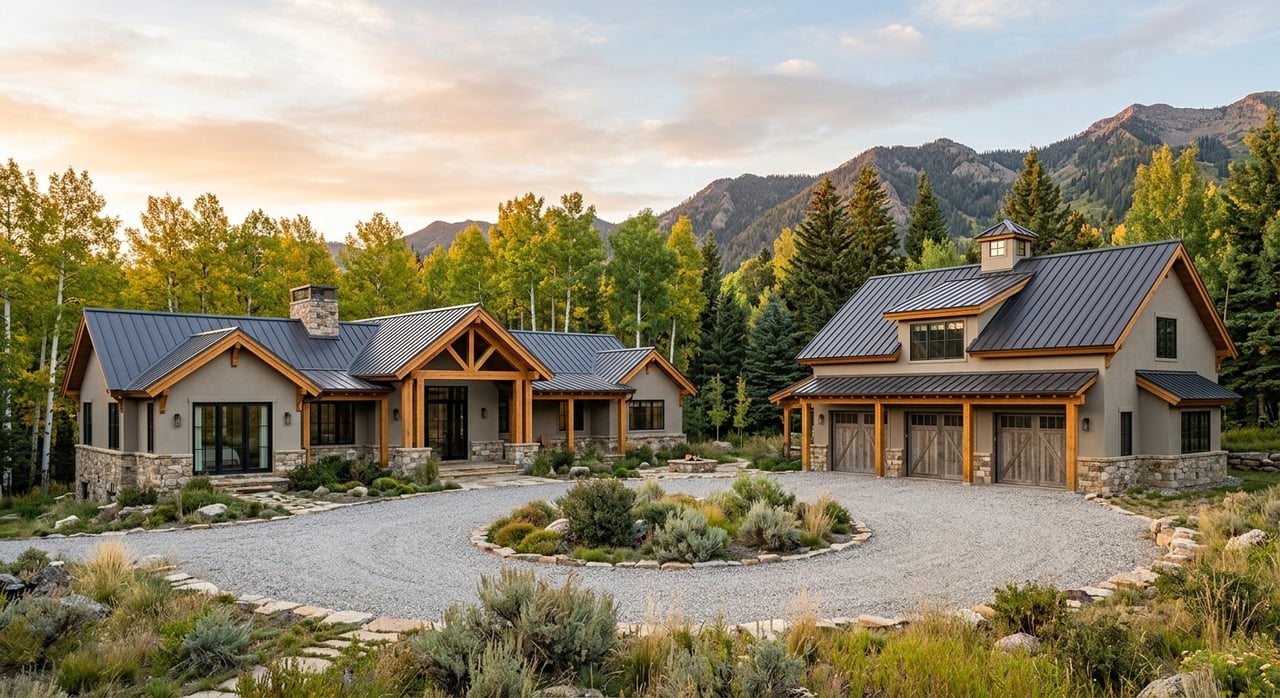
Woody Creek and nearby Old Snowmass offer a wide range of parcels. You will see small river cabins, 1 to 10 acre homesites, and large legacy ranches over 40 acres with multiple structures, barns, ponds, and extensive pasture. At the high end, the local press has covered landmark ranch offerings and sales in the multi-million to tens-of-millions range, illustrating the valley’s top-tier market dynamics. For a sense of historic scale and interest, see local reporting on a major ranch matter in Woody Creek covered by the Aspen Times.
Equestrian and ag use
Many buyers come for horses, hay, and pasture. Pitkin County’s development standards address livestock near riparian areas and wetlands, which can influence where you place barns, arenas, and paddocks. If you plan equestrian facilities, confirm setbacks, habitat considerations, and any required management plans during due diligence. Thoughtful site planning helps protect waterways and supports healthier pastures.
River frontage, rights, and access
What “riverfront” really means
In Colorado, flowing water is public, but ownership of the streambed and banks can be private. Entering a river from private banks and using the bed can be limited and has been the subject of legal challenges statewide. The bottom line is that river frontage is a premium amenity, but it does not guarantee public access or unrestricted use. For a plain-language review of a recent state case on access disputes, read this context from the Colorado Sun.
Water rights and private fisheries
Surface water rights, irrigation ditches, and private fishery agreements are common in ranch country and can add real value. They also come with responsibilities. Verify decreed rights, ditch company rules, recorded easements, headgate locations, and maintenance obligations. On the recreational side, understand any private fishing designations and guest policies so you set expectations for family and friends from day one.
Building, envelopes, and county standards
Riparian buffers and siting
Pitkin County’s Land Use Code sets standards for watercourses, riparian areas, and wetlands that guide where and how you can build or improve. These rules influence the placement of homes, barns, driveways, and paddocks, especially near streams and sensitive habitats. You can review the county’s core standards within Chapter 7 of the code here.
Water, sewer, and septic
New homes and subdivisions must document an adequate water supply, whether through wells or decreed rights and augmentation where needed. If a property lies within reach of a public sewer service area, the county can require a connection; otherwise on-site systems are allowed if they meet county standards. Expect building permits to require proof of potable water and septic or OSS approvals early in the process. The Chapter 7 standards linked above outline the evidence you will need.
Floodplain checks and maps
If a parcel touches the Roaring Fork or sits along a tributary, pull FEMA Flood Insurance Rate Map panels and ask for any existing Elevation Certificates. Pitkin County has adopted updated FIRM and FIS documents, and setbacks apply in mapped flood hazard zones. Start with the county’s Land Use Engineering and Floodplain page and confirm details with the Floodplain Administrator before you plan new construction or a major addition.
The real costs of rural luxury
Metro District and assessed services
Some properties sit within the Woody Creek Metropolitan District, which can provide water, sewer, and road-related services within defined boundaries. If a parcel is inside the district, review current budgets, fees, and assessments so you understand recurring costs in addition to property taxes. The district’s formal service plan is posted here.
Wildfire risk and insurance
Woody Creek’s forests and open slopes are part of its appeal, but they also raise wildfire considerations. Mitigation plans, defensible space, and construction details can affect insurance availability and premiums. The Aspen Fire Protection District provides resources and evolving guidance on local mitigation and project expectations, which you can explore through their public proposals and information. Plan early and budget for mitigation as part of ownership.
Connectivity and daily logistics
Rural parcels can rely on a mix of district water and sewer, private wells and septic, and varied telecom service. Many owners use fixed wireless or satellite where fiber is not available, and cell coverage can vary by carrier and topography. For families, public schools are in the Aspen School District area, and everyday services cluster in Aspen, Snowmass Village, and downvalley in Basalt and Carbondale. The Rio Grande Trail and RFTA buses add options on busy days.
Buyer due diligence checklist
Use this quick list to stay organized as you evaluate ranch and river properties:
- Title and easements. Confirm recorded river or stream access rights, irrigation or ditch easements, and any private or public access crossing the property. Do not assume a riverfront parcel allows public use. See legal context on access via the Colorado Sun’s coverage.
- Water rights and wells. Request well logs, recent pump tests, and any water court decrees or augmentation plans if surface water supports domestic or irrigation use. County permits require evidence of adequate domestic and fire-protection water. Review Chapter 7 of the Pitkin County standards.
- Septic or sewer. Collect septic permits, as-built drawings, and maintenance records. Verify if the parcel lies near a public sewage system that could mandate connection under county rules. See the same county standards above for details.
- Floodplain and elevation. Pull FEMA FIRM panels, ask for Elevation Certificates if relevant, and discuss flood insurance needs with your insurer. Start with the county’s floodplain page.
- Wildfire and insurance. Check local hazard mapping and mitigation expectations through the Aspen Fire district as you price coverage and plan vegetation management.
- Zoning and envelopes. Understand site plan and activity envelope limits, wildlife corridors, and riparian setbacks. The county code linked above governs where you can build, expand, or add barns and arenas.
- Utility and district costs. If inside the Woody Creek Metropolitan District, review current fees and any assessments in the district’s service plan.
- Commuting options. For day-to-day life, note the roughly 15 to 20 minute drive to Aspen in typical conditions and use the Rio Grande Trail for bike rides and seasonal commuting.
Market patterns at a glance
Woody Creek sits within Pitkin County, one of Colorado’s highest-value markets. Prices vary widely here. Smaller parcels and older cabins can read as relatively modest by Aspen standards, while large ranches and riverfront estates command premium prices that climb into the tens of millions. For context around the upper end, local press has documented major ranch sales and offerings in Woody Creek, including a high-profile case reviewed by the Aspen Times. Always check current MLS data and recent recorded sales for a specific property type.
How Team Hansen helps you buy well
Selecting a ranch or river property is part lifestyle and part technical planning. With Aspen-native roots and construction-informed guidance, our team helps you evaluate building envelopes, riparian setbacks, water and septic systems, and practical features like driveway alignments and barn siting. If you are considering seasonal use or income, we also support rental placement and leasing strategy for appropriate properties. You get a single-source advisor who understands both the valley’s neighborhoods and the details that drive long-term enjoyment and value.
Ready to explore ranch and river living in Woody Creek or want a private consultation on a specific property? Connect with Team Hansen to start a focused, confidential conversation.
FAQs
How far is Woody Creek from Aspen for daily commuting?
- It is roughly 7 to 9 road miles and about 15 to 20 minutes in typical conditions, though timing varies by route, season, and traffic.
What should I know about Roaring Fork River access on private land?
- Colorado treats flowing water as public, but streambeds and banks can be private, so entering or wading across private segments may be restricted; verify recorded rights before you go.
Which county rules affect building near the river in Woody Creek?
- Pitkin County’s Land Use Code sets riparian buffers, wetland protections, and site planning standards that guide where homes, barns, and paddocks can be placed.
How do water and sewer typically work for rural Woody Creek parcels?
- Expect private wells and on-site septic where public service is not available; inside certain service reaches, the county can require a sewer connection, subject to code.
What is the Woody Creek Metropolitan District and why does it matter?
- It is a special district that may provide water, sewer, and related services within set boundaries; membership can add recurring assessments to your ownership costs.
How does wildfire risk influence insurance and ownership planning?
- Insurers consider local hazard, defensible space, and building features; plan for mitigation and coordinate early to confirm coverage and requirements.