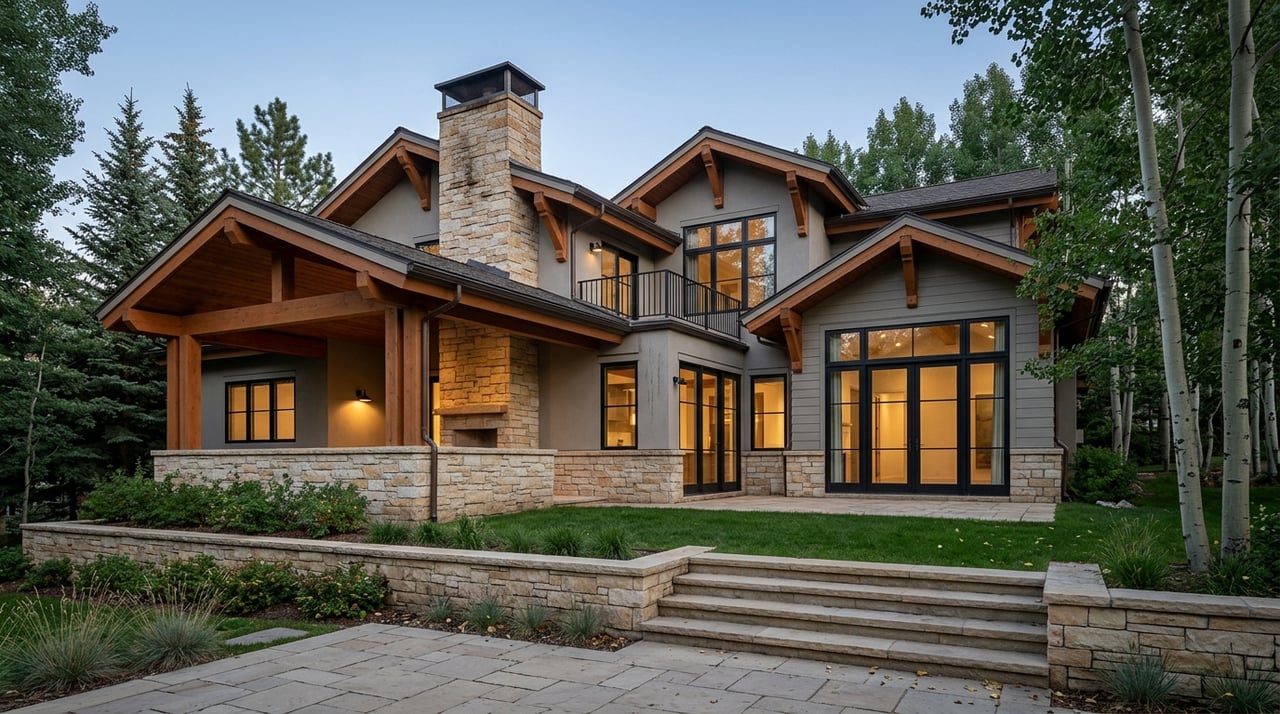
Wondering whether Red Mountain truly stands above Aspen’s other view neighborhoods? If you are weighing privacy, views, access, and long-term usability, the answer is not just about prestige. It is about how each area fits the way you want to live, use, and enjoy your property. Let’s dive in.
Why Red Mountain Sets the Standard
Red Mountain sits on Aspen’s north side, above town, within unincorporated Pitkin County and inside the Aspen Urban Growth Boundary. That location helps explain why it feels both elevated and closely tied to Aspen’s broader planning framework. You are above the center of activity, but still part of the same larger view and development context.
The setting is distinctly hillside. Red Mountain Road climbs the lower half of the mountain toward Hunter Creek Valley, and the area connects into Aspen’s wider mountain recreation landscape. For you as a buyer, that means Red Mountain is not just about what you see from a home. It is also about how the land itself feels and functions.
Red Mountain has also built its reputation on scarcity, privacy, and notable homes. Limited lot supply helps support its rarefied feel, and the neighborhood has long included mountain-modern and chalet-style architecture. Recent market activity has reinforced that premium, including a reported $108 million sale on a 4.5-acre Red Mountain property in 2024.
What Makes Red Mountain Different
Red Mountain offers an above-town perch
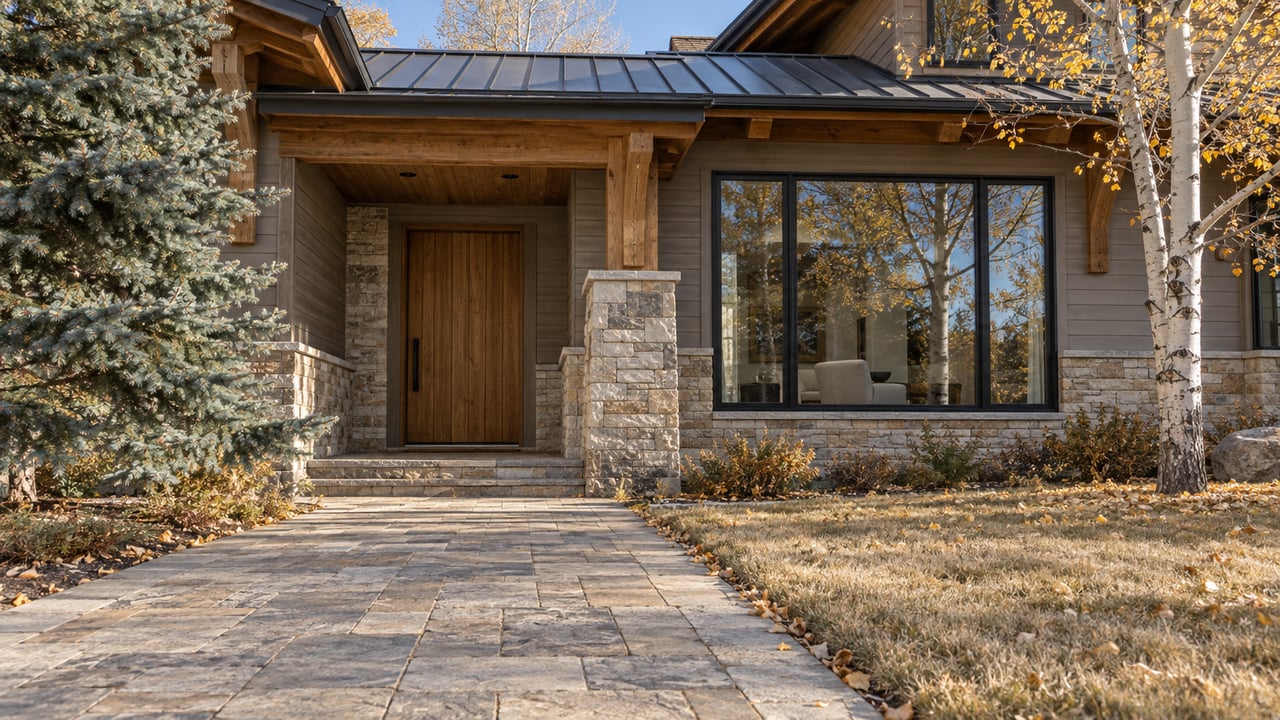
Red Mountain’s biggest distinction is its elevated position over Aspen. That gives many properties a dramatic, view-forward orientation that feels more removed and private than neighborhoods on flatter ground. If your goal is a trophy setting with a strong sense of arrival, Red Mountain often leads the conversation.
Red Mountain prioritizes privacy
Compared with other Aspen view neighborhoods, Red Mountain tends to feel more secluded. The neighborhood is less about street life and more about separation, space, and private residential use. For many luxury buyers, that trade-off is the entire point.
Red Mountain supports custom architecture
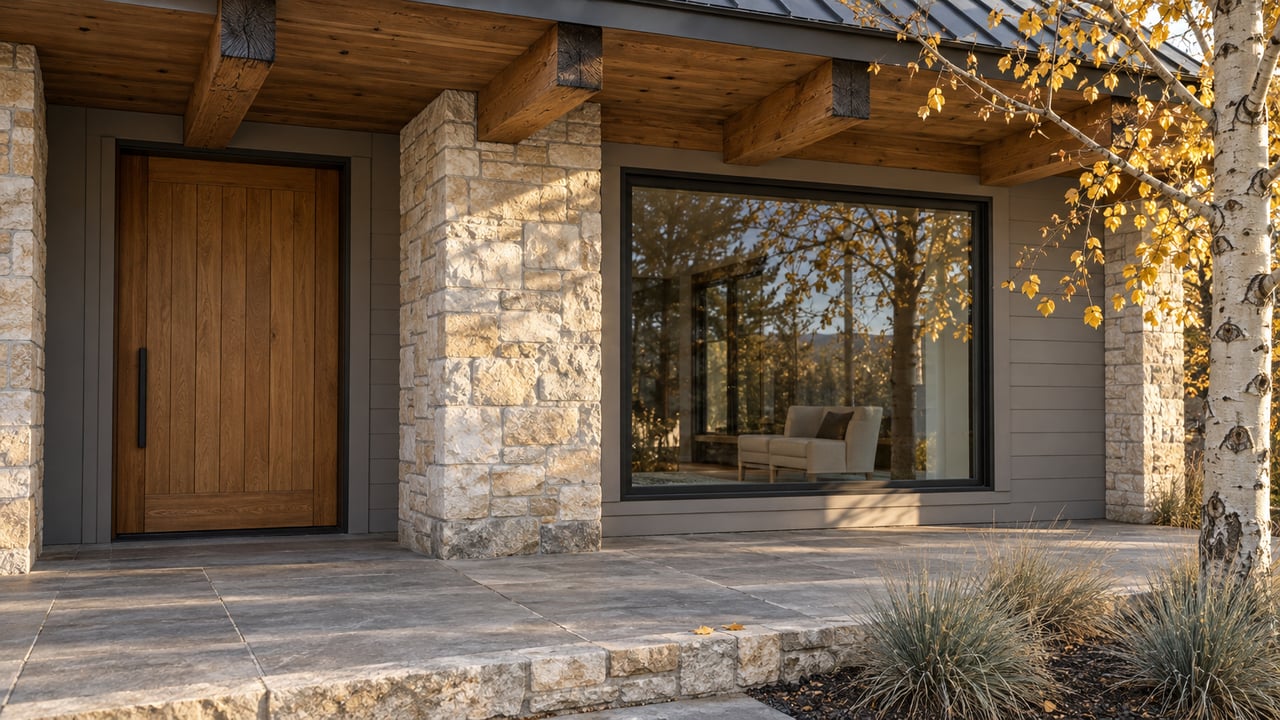
Red Mountain’s housing stock includes high-end custom homes and established modern chalet precedent. In practical terms, that often gives you more flexibility for site-specific design thinking than areas with stronger historic review requirements. That does not remove zoning or design limits, but it can change the kind of home that feels natural there.
Red Mountain vs West End
West End emphasizes character and walkability
West End is Red Mountain’s clearest contrast. It is known for a quieter, tree-lined setting near Aspen Meadows, the Aspen Institute, and the Wheeler/Stallard Museum area, with a mix of Victorian and midcentury modern homes. The original townsite grid and long-standing neighborhood fabric create a more street-oriented feel than Red Mountain.
If you want easier on-foot access and a neighborhood experience that feels more integrated into town, West End has a different kind of appeal. It competes on charm, continuity, and historic texture rather than elevation. That makes it attractive if your priorities lean more toward convenience and less toward an estate-style perch.
West End can involve more review constraints
West End buyers should also understand that historic context can affect what you do with a property. In Aspen, historic district properties and individually designated properties are subject to preservation standards, and exterior work must be reviewed before it begins. If renovation flexibility matters to you, that is an important distinction.
Best fit between the two
Red Mountain is usually the stronger fit if you want privacy, dramatic topography, and a more estate-driven lifestyle. West End may be the better choice if you value historic character, street presence, and easier access into town. Neither is objectively better, but they serve very different living patterns.
Red Mountain vs Smuggler and Hunter Creek
Smuggler and Hunter Creek are more recreation-forward
Smuggler Mountain borders Aspen to the east and southeast, and lower Smuggler Mountain Road is visible from much of town. The area is widely used by hikers, dog walkers, and mountain bikers, and it includes an overlook with views toward Aspen and Aspen Mountain. Hunter Creek also sits above Aspen in a steep hillside setting with historical features along the trail network.
If you like the idea of living close to active trail use and a more public outdoor rhythm, Smuggler and Hunter Creek offer strong appeal. They still provide hillside views and a mountain setting. The feel, however, is generally more shared and recreation-centered than Red Mountain’s more private ridge identity.
Red Mountain feels more exclusive
This is where the lifestyle distinction becomes clear. Red Mountain typically feels more like an ultra-private residential hillside, while Smuggler and Hunter Creek feel more intertwined with popular public routes and day-to-day outdoor use. For some buyers, that energy is a plus. For others, privacy carries more weight.
Best fit between the two
Choose Red Mountain if view corridors, separation, and a quieter residential experience are your top goals. Smuggler or Hunter Creek may make more sense if direct access to heavily used trails and a more active hillside environment matter most. Both offer mountain scenery, but the use pattern around the home is very different.
Red Mountain vs McLain Flats
McLain Flats offers openness over elevation
McLain Flats competes in a different way. The area is characterized by a more open, valley-like feel, with flatter topography on a terrace above the Roaring Fork River rather than the more vertical hillside profile that defines Red Mountain. If you prefer a property that feels expansive without the same steep site conditions, McLain Flats deserves a look.
That difference shapes daily experience. Red Mountain is often about being perched above town, while McLain Flats is more about space, openness, and land feel. The setting can be compelling if you want room and less vertical terrain.
Access patterns differ too
The route into town also matters. City information notes that the current Castle Creek Bridge is the route for Cemetery Lane and McLain Flats residents heading into Aspen. That does not make one area better than the other, but it highlights how access patterns can differ depending on where you buy.
Best fit between the two
Red Mountain is the stronger choice if your vision of Aspen centers on iconic above-town positioning. McLain Flats may fit better if you want openness and a less dramatic building site. The choice often comes down to whether you value perch or breadth.
The Trade-Offs That Matter Most
Check view permanence carefully
One of Red Mountain’s strongest draws is its view potential, but you should never assume every parcel offers the same long-term protection. Aspen’s planning framework includes a Mountain View Plane layer, and the Land Use Code uses view planes to regulate building height, mass, and design. In other words, view quality and view protection are parcel-specific.
This matters in every neighborhood, not just Red Mountain. If a view is driving your purchase, it is worth reviewing how the parcel fits within applicable planning rules. A great view today and a well-protected view corridor are not always the same thing.
Balance privacy and convenience
Red Mountain often wins on privacy, but that can come with less day-to-day convenience than neighborhoods closer to town patterns or shuttle service. Aspen’s current free shuttle list includes Cemetery Lane, Hunter Creek, Mountain Valley, Burlingame/HWY82, and Castle/Maroon, but not Red Mountain. If transportation convenience matters, that is worth factoring into your decision.
For some buyers, this is an easy trade. They are happy to give up a little convenience for a more secluded setting. Others prefer a location that supports easier movement without relying as heavily on a car.
Think about renovation goals
If you are considering updates, expansion, or a longer-term custom vision, neighborhood context matters. West End often brings the most review friction because of historic preservation standards. Red Mountain may offer a more natural setting for modern, site-responsive architecture, though zoning, view planes, and environmental overlays still apply.
This is one area where practical guidance can make a real difference. A home’s visible appeal is only part of the equation. The rules shaping what you can actually do with the property are just as important.
Match the neighborhood to property use
If your plans include seasonal rental income, do not rely on neighborhood reputation alone. Aspen states that owners should use the short-term rental eligibility map to determine whether short-term rentals are permitted in a given zone district. The neighborhood name itself is not enough to confirm use flexibility.
That is especially important if you are comparing Red Mountain with other Aspen neighborhoods based on investment or part-time ownership goals. The right fit depends on both lifestyle and zoning reality.
Which Aspen View Neighborhood Fits You Best
Red Mountain is usually the right premium if you want the most elevated, private, and view-forward Aspen experience. It stands out when your priorities center on trophy positioning, architectural presence, and a more secluded residential setting. If that is your vision, the premium often makes sense.
West End is often better suited to buyers who care most about historic character, street-oriented living, and easier on-foot access. Smuggler and Hunter Creek fit buyers who want a hillside setting with strong views and immediate recreation access, while accepting more public trail activity nearby. McLain Flats suits buyers who prioritize openness and less vertical terrain over Red Mountain’s iconic perch.
In short, Red Mountain is not simply better than every other Aspen view neighborhood. It is better for a specific kind of buyer. If you want help comparing these areas through the lens of privacy, design potential, seasonal use, or long-term value, Team Hansen can help you evaluate the details with local insight and a practical, property-by-property approach.
FAQs
Is Red Mountain in Aspen or Pitkin County?
- Red Mountain is on Aspen’s north side and sits in unincorporated Pitkin County, but it is also inside the Aspen Urban Growth Boundary.
How does Red Mountain compare to West End in Aspen?
- Red Mountain generally offers more privacy, elevation, and estate-style positioning, while West End is better known for historic character, a street-oriented setting, and easier on-foot access.
Are Red Mountain views protected in Aspen?
- View quality can be strong on Red Mountain, but protection is parcel-specific because Aspen uses Mountain View Plane rules to regulate building height, mass, and design.
Is Smuggler or Hunter Creek more private than Red Mountain?
- Smuggler and Hunter Creek are typically more recreation-forward and more directly tied to publicly used trails, while Red Mountain usually feels more private and residential.
Is McLain Flats similar to Red Mountain?
- McLain Flats differs from Red Mountain because it generally offers a more open, less vertical land feel instead of the above-town hillside perch that defines Red Mountain.
Can you use a Red Mountain home as a short-term rental?
- You should verify short-term rental eligibility by zone district using Aspen’s STR Eligibility Map, because the neighborhood name alone does not determine rental flexibility.