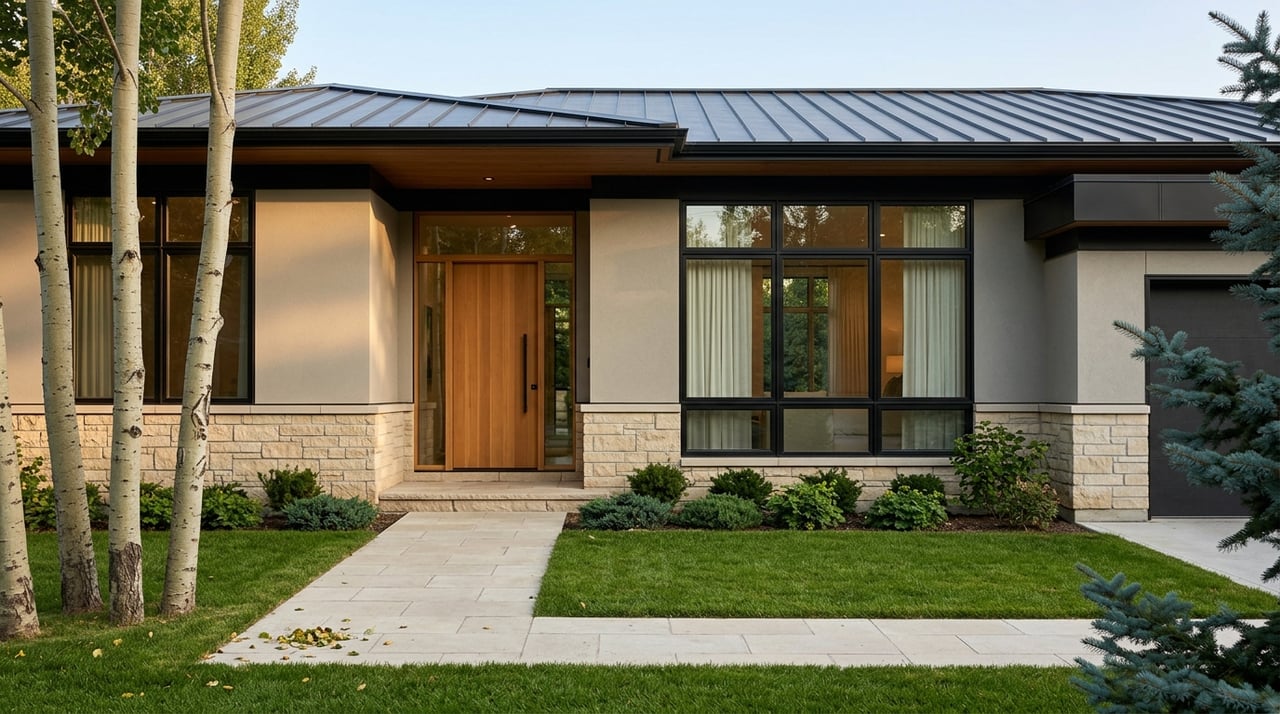
Wondering how much prep your West Aspen home really needs before it hits the summer market? In the West End Historic District, buyers are not just judging square footage or finishes. They are noticing how the home lives in green season, how it presents online, and whether any updates feel true to the neighborhood. With more inventory giving buyers options, thoughtful preparation can help your home stand out for the right reasons. Let’s dive in.
Why summer prep matters in West Aspen
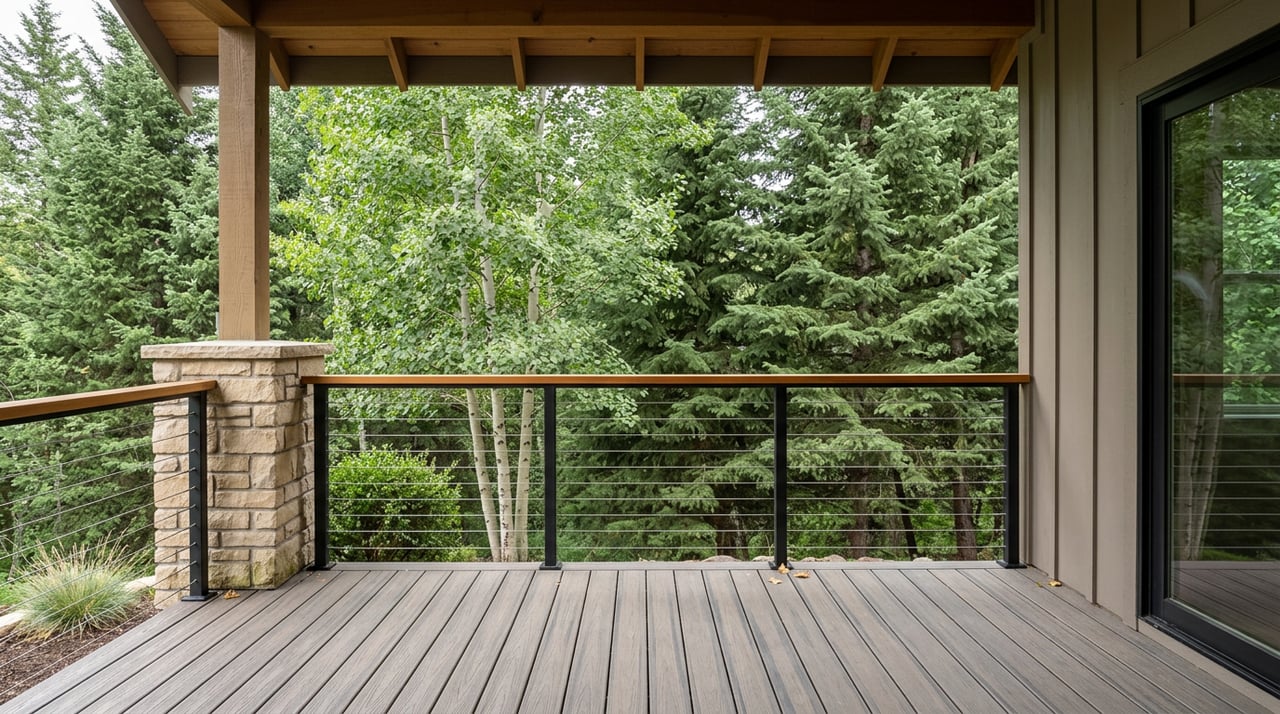
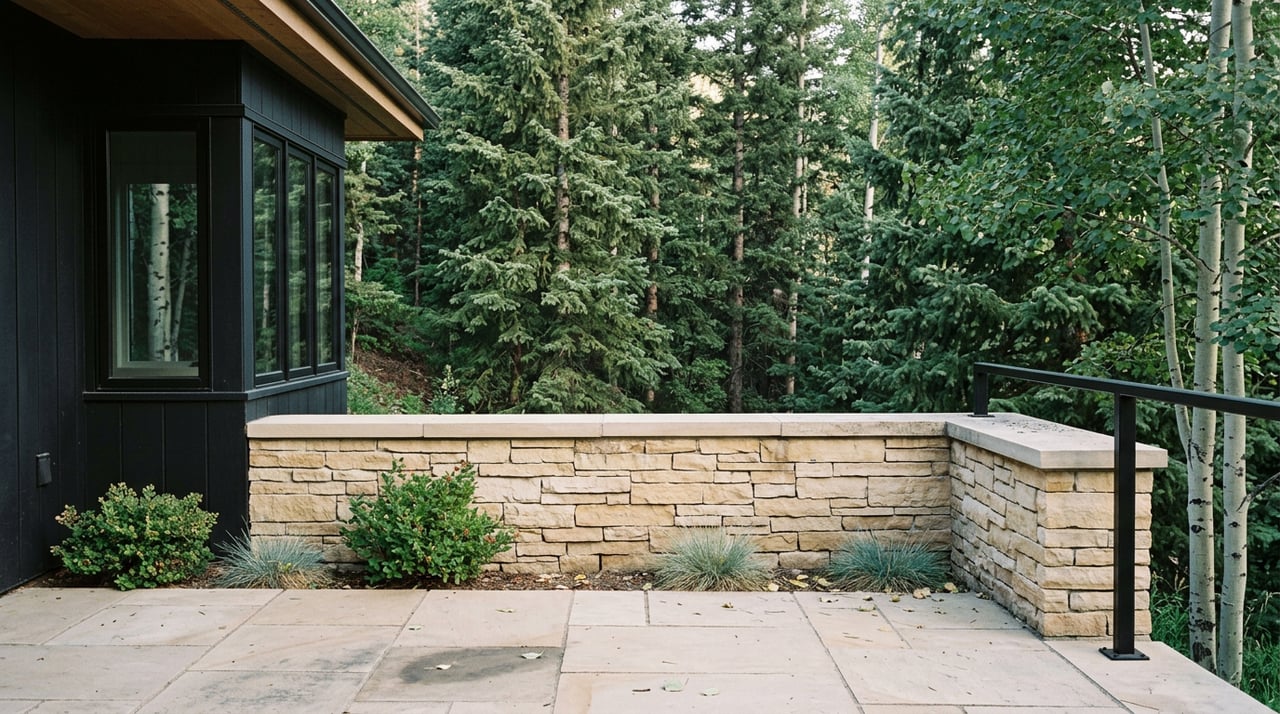
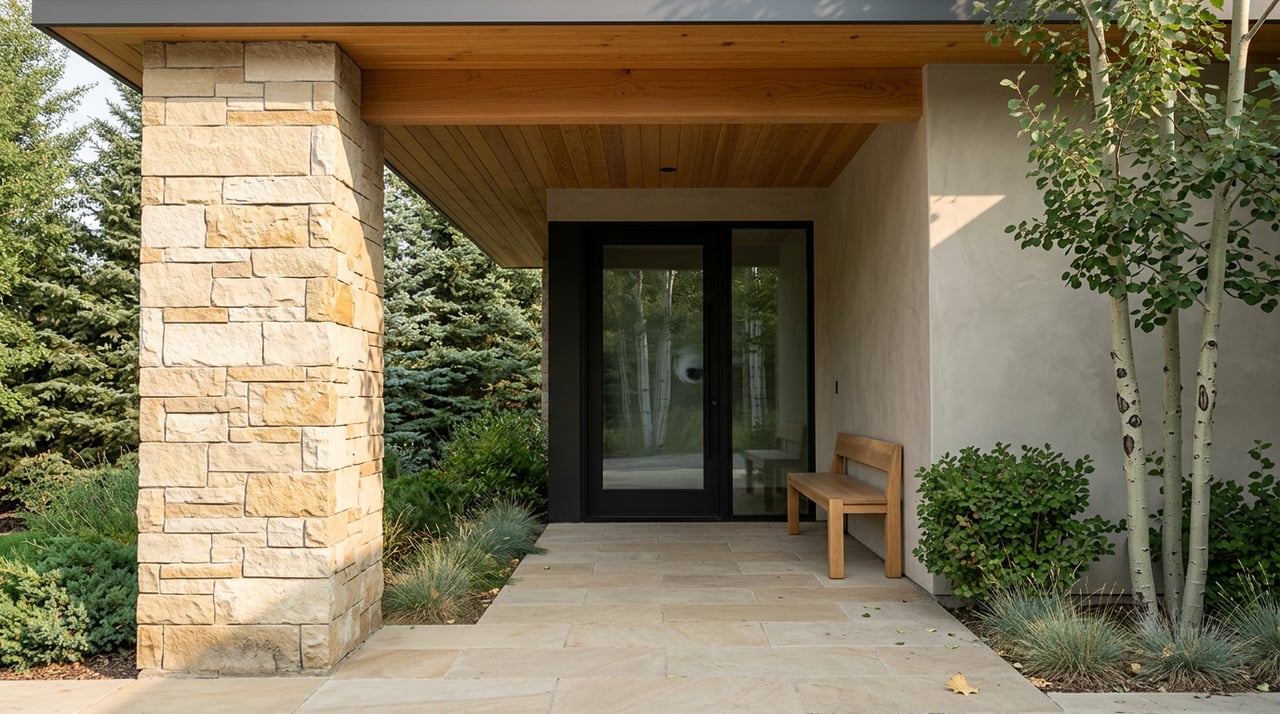
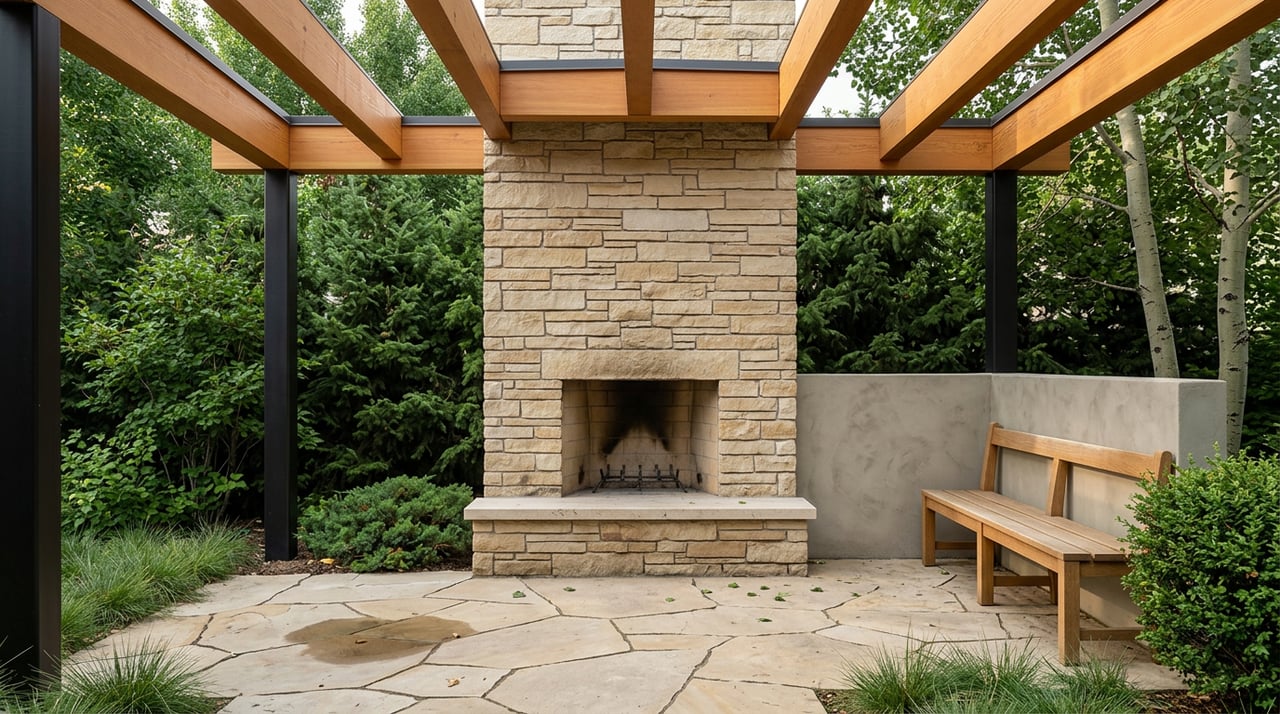
Summer shows a West End home in full view. Buyers can clearly see the landscaping, patios, walkways, outdoor seating areas, and how the house connects to the lot. That makes summer listing prep about more than tidying up the inside.
Current Aspen market data also points to the importance of a strong launch. As of April 3, 2026, the Aspen Board of REALTORS reported 98 single-family homes for sale, 15.1 months of supply, and 185 days on market year-to-date. When buyers have options, first impressions matter more.
Online presentation is a major part of that first impression. National buyer data shows that listing photos are one of the most useful features in an online search, and many buyers find the home they purchase online. In other words, your prep plan should support both in-person showings and the way your home appears on day one.
Start with historic district rules
Before you schedule painters, landscapers, or contractors, confirm what work may require city review. In Aspen's historic districts, all exterior work and even some interior work must be reviewed and approved before work begins. That can include items many owners assume are simple, such as certain window replacements, masonry painting, HVAC changes, or new penetrations through historic material.
This matters because timing can affect your listing strategy. Aspen's Historic Preservation Commission notes that agendas are often full for months. If you are considering any work beyond basic maintenance and cleanup, it is smart to ask questions early so you do not build a summer launch around a project that cannot be approved in time.
In the West End, context matters too. Aspen's Historic Preservation Design Guidelines emphasize preserving the area's historic pattern of streets, alleys, and ditches. That means exterior improvements should feel compatible with the block and the home's setting, not overly generic or out of place.
Focus on the updates buyers notice most
For most sellers, the best return comes from clarity, condition, and presentation. National staging data shows that the most common agent recommendations are decluttering, entire-home cleaning, and improving curb appeal. Those are practical upgrades that help buyers focus on the home itself.
Staging should also prioritize the spaces buyers tend to notice first. The living room, primary bedroom, dining room, and kitchen are the most commonly staged rooms. In a summer listing, outdoor living areas also deserve attention because buyers can evaluate them in real time.
That does not mean you need to over-improve the home. In many cases, a better strategy is to edit, clean, repair, and style what is already there so the property feels bright, calm, and easy to understand.
Prep the exterior for green-season showings
Summer buyers will experience your lot more directly than winter buyers. They will notice whether the landscaping feels intentional, whether seating areas are usable, and whether the approach to the home feels cared for. In the West End Historic District, that presentation should look polished without fighting the neighborhood's established character.
Start with the basics:
- Prune overgrowth
- Mow and edge lawn areas if applicable
- Remove dead or dried plant material
- Clean patios, decks, and walkways
- Straighten or simplify outdoor furniture layouts
- Clear visual clutter from entries and side yards
Aspen also encourages owners to keep living and flammable material at least five feet from the structure and to remove dead vegetation as part of fire-safe maintenance. That guidance can improve both appearance and safety. If you are considering major landscape or irrigation work, be aware that larger changes may trigger additional city review.
Mechanical equipment should also be part of the exterior checklist. If visible from the street or roof, Aspen requires mechanical equipment to be screened. This is one of those details buyers may not mention directly, but they often notice when an exterior feels unfinished.
Make indoor-outdoor flow easy to see
One of summer's biggest advantages is that it helps buyers understand how a home lives day to day. If your property has a patio, terrace, lawn, garden edge, or sitting area, make sure each space has a clear purpose. Buyers should be able to picture morning coffee, outdoor dining, or a quiet evening outside without having to guess where those moments would happen.
Inside, support that same story. Open window coverings where appropriate, brighten darker corners, and keep furniture layouts simple enough to show traffic flow to outdoor areas. If a room connects to a deck or garden, make that path feel obvious and inviting.
This is especially important for photography. Industry guidance shows that outdoor spaces should not be buried at the end of the photo gallery. If summer living is a strength of the property, the listing should show that early and clearly.
Declutter with a luxury lens
Decluttering is not about stripping all personality from the home. It is about removing distractions so buyers can see scale, light, and layout. In a high-visibility market like Aspen, clean visual lines often read as more refined and more valuable.
Pay special attention to:
- Kitchen counters
- Open shelving
- Coffee tables and side tables
- Primary bath surfaces
- Entry areas
- Mudrooms and gear storage zones
- Home offices visible in photos
If you use the home seasonally, this step can take more planning than expected. Personal items, extra outerwear, recreational gear, and overflow storage can quietly make a home feel smaller. A focused pre-listing edit helps each room feel more spacious and easier to imagine as a retreat.
Clean deeply and repair selectively
Deep cleaning remains one of the most effective pre-listing steps. Buyers may forgive finishes that are not brand new, but they are less likely to overlook grime, glass haze, worn caulk, stained grout, dusty vents, or scuffed walls. Cleanliness sends a strong signal that the home has been cared for.
Minor repairs matter for the same reason. Tighten loose hardware, address sticking doors, replace burned-out bulbs, and touch up visible wear where appropriate. In a historic district, be cautious about moving into larger exterior or material changes without confirming review requirements first.
The goal is not to make the home feel newly rebuilt. The goal is to eliminate small interruptions that break the buyer's confidence during a showing or in close-up photography.
Stage for photos first
Staging helps buyers picture the property as a future home, and that benefit starts online. Data from NAR shows that staging makes it easier for buyers to visualize a property and can influence how they view the home. It also supports stronger photography, video, and tour materials.
For a West Aspen summer listing, think of staging as a visual editing tool. Focus first on the rooms that carry the listing story:
- Living room
- Kitchen
- Dining area
- Primary bedroom
- Primary bath if visually important
- Main outdoor entertaining space
Guest rooms and secondary spaces matter too, but they are usually lower priority unless they play a major role in the floor plan or will appear prominently in marketing. Keep the styling neutral, light, and intentional so the home's architecture and setting stay center stage.
Time photography carefully
Photography is not the last box to check. It is part of the sale strategy. Buyer behavior data shows that photos are one of the most valuable online listing features, and the first few days online carry extra weight.
That means timing matters. Schedule photography only after decluttering, deep cleaning, minor repairs, staging, and landscape refreshes are complete. If your garden, lawn, or patio area is a selling point, wait until those spaces are in their best seasonal condition.
For many West End homes, the strongest gallery will balance architecture, interiors, and outdoor living early in the sequence. The lead image and first several photos should quickly communicate why the home is compelling in summer.
A simple prep roadmap
If you want to keep the process clear, use this order of operations:
- Confirm whether your property falls within the historic district rules.
- Ask city staff about any exterior or potentially affected interior work before starting.
- Limit improvements to what can realistically be approved and completed on time.
- Declutter the home and simplify storage areas.
- Deep clean throughout.
- Handle minor touch-ups and repairs.
- Refresh landscaping and outdoor living areas.
- Stage the main living spaces and key exterior areas.
- Schedule photography once the home is fully ready.
This sequence helps you avoid spending money in the wrong place. It also aligns the work with how buyers actually encounter the property, first online and then in person.
The goal: polished, compatible, and easy to picture
Preparing a West Aspen home for summer buyers is not about making it look like every other luxury listing. In the West End Historic District, the strongest presentation usually respects the neighborhood, sharpens the home's best features, and makes summer living feel effortless.
That may mean doing less than you first imagined, but doing it in the right order. When the home feels clean, calm, well-maintained, and true to its setting, buyers can focus on what matters most: the property itself and the lifestyle it offers in Aspen.
If you are weighing what to update, what to leave alone, and how to time a summer launch in the West End, Team Hansen can help you build a smart, market-ready plan with local perspective and practical guidance.
FAQs
What should you fix before listing a West End Historic District home?
- Focus first on decluttering, deep cleaning, minor repairs, curb appeal, and outdoor presentation. For exterior work or certain interior changes, check with Aspen first because historic district review may be required before work begins.
Why does photography matter so much for a West Aspen summer listing?
- Buyer research shows that listing photos are one of the most useful online search features, and many buyers find their home online. Strong photos help your property make a better first impression from the moment it launches.
Do exterior changes in Aspen's historic district need approval?
- Yes. Aspen states that all exterior work and some interior work in historic districts must be reviewed and approved before work begins.
Which rooms should you stage first for summer buyers in Aspen?
- Start with the living room, primary bedroom, dining room, and kitchen. In summer, outdoor living areas should also be staged because buyers can directly evaluate how those spaces function.
How should landscaping be handled before listing a home in West Aspen?
- Keep it tidy, healthy, and compatible with the property's setting. Remove dead plant material, prune overgrowth, clean hardscape areas, and be mindful that larger landscape or irrigation changes may require additional review.
When should you schedule listing photos for a West Aspen home?
- Schedule photography after cleaning, repairs, staging, and landscape refreshes are complete. For summer listings, it is best to shoot when outdoor spaces are looking their best and ready to be featured early in the photo gallery.