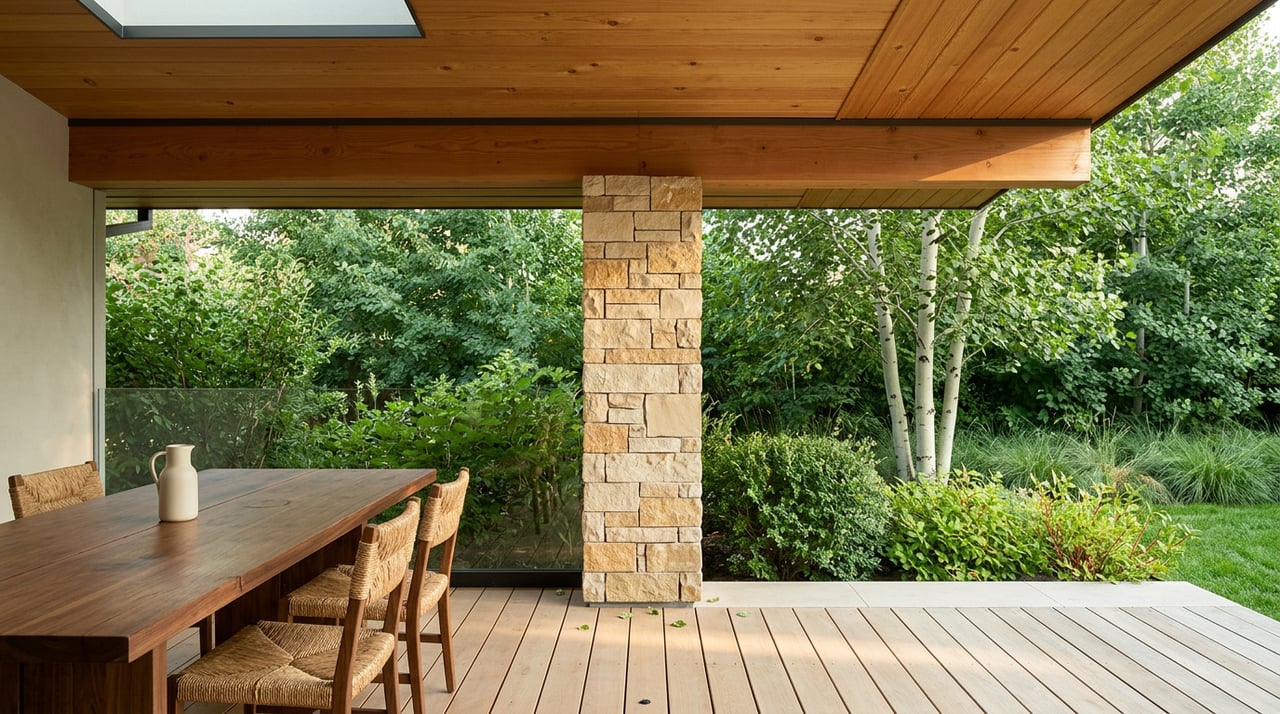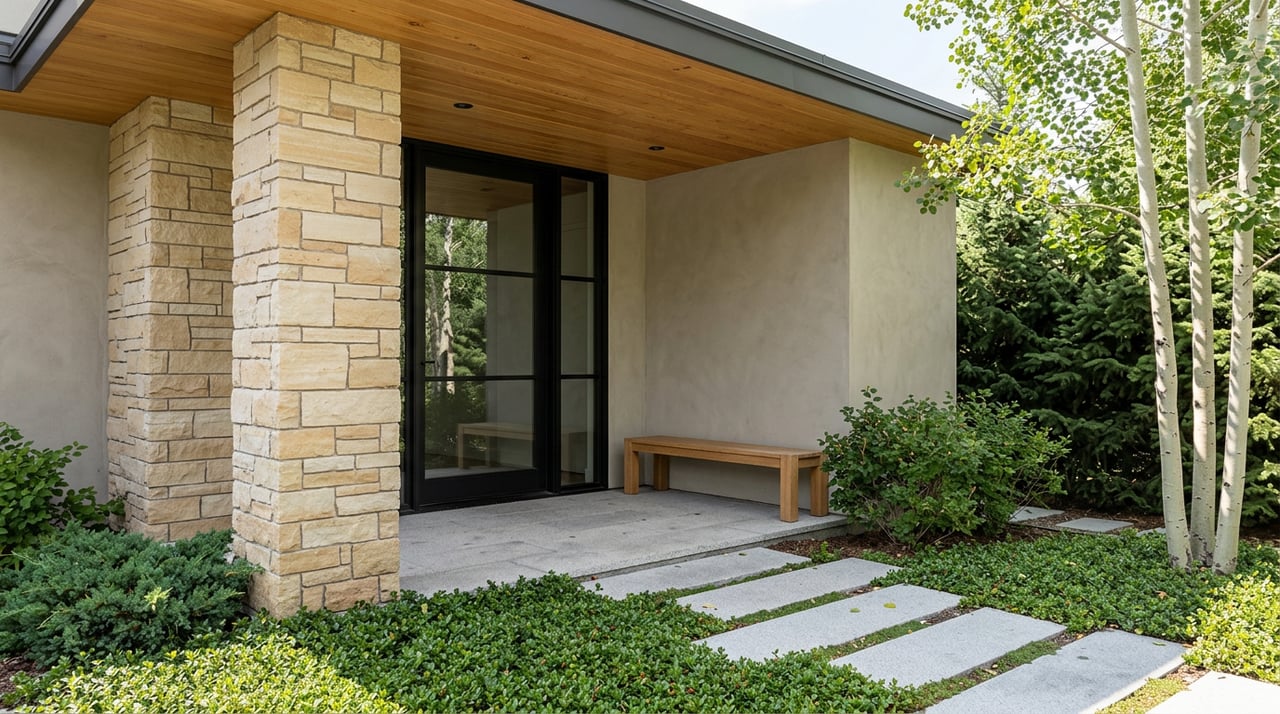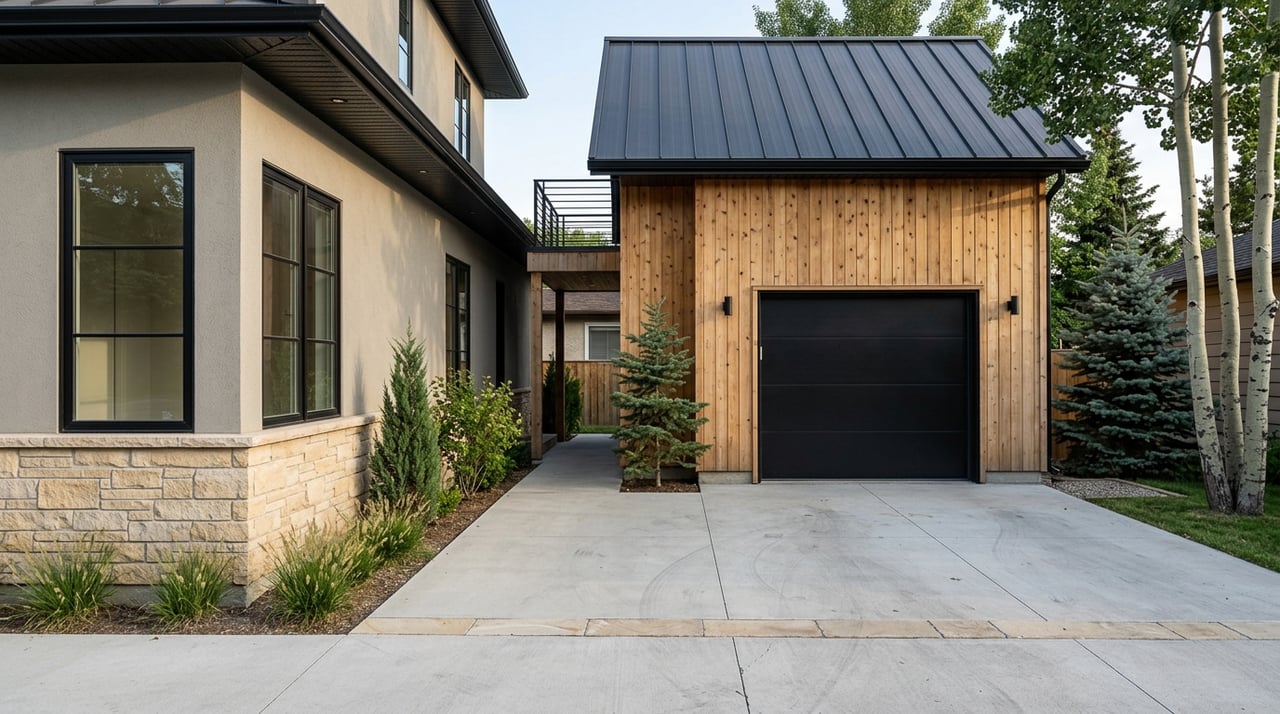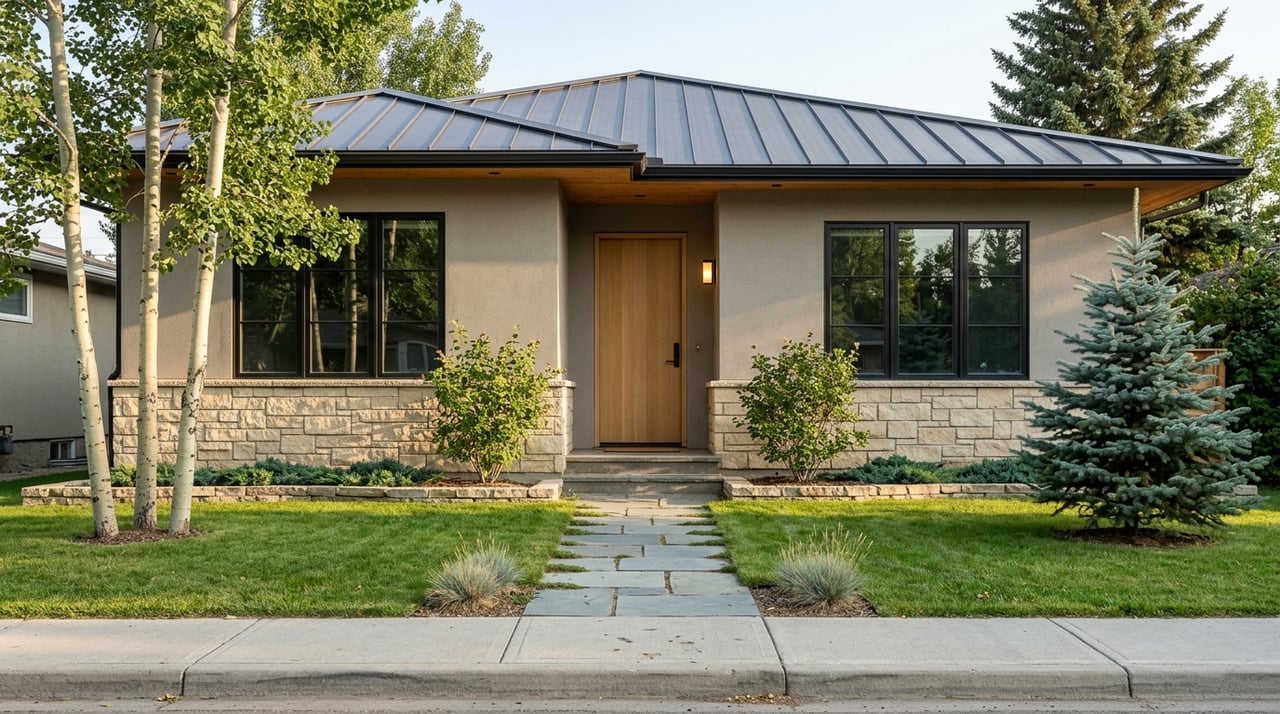
If you are drawn to Aspen’s West End, you are probably not looking for just any house. You are looking for a home with presence, history, and a sense of place. The challenge is that owning and updating a historic property here takes more than good taste. It takes planning, the right team, and a clear understanding of Aspen’s review process. In this guide, you’ll learn how to approach a West End historic home with confidence, from preservation basics to renovation strategy. Let’s dive in.
Why West End Homes Stand Apart
Aspen’s West End is the city’s historic residential neighborhood, known for its quiet, tree-lined streets and a mix of historic homes that include Victorian and midcentury modern architecture. The area is bordered by Aspen Meadows, the Aspen Institute, and the Wheeler/Stallard Museum campuses, which helps explain why the neighborhood feels distinct from many other parts of town.
That setting matters when you own property here. In the West End, a home is not just a structure on a lot. It is also part of a broader historic pattern that the city works to protect through its preservation program and design guidelines.
Know Your Home’s Historic Status
One of the first mistakes owners make is assuming a home is or is not subject to historic review based on age alone. In Aspen, there is no minimum age for historic designation. That means you should verify your property’s status rather than rely on guesswork.
This step is important because the review process can shape everything from exterior finishes to window replacement to mechanical upgrades. If your home is individually designated or located within a historic district, both exterior work and some interior work may need review before construction starts.
What Aspen Tries to Preserve
Aspen’s design approach focuses on historic development pattern, context, and integrity. In simple terms, the goal is not to freeze a house in time. The goal is to retain the features and relationships that make the property and the block feel historically coherent.
That is why preservation-minded work usually emphasizes repair over replacement. It also explains why additions should be compatible with the original structure while still reading as new work rather than an imitation of the old.
Common Updates in West End Homes
Most owners of older West End homes are balancing livability with preservation. In practice, that often means work in three main categories:
- Building envelope updates, such as roofs, windows, masonry, gutters, and drainage
- System modernization, including HVAC, electrical, and plumbing
- Site planning or additions, such as landscape changes, expansions, or interior reconfiguration tied to exterior impacts
The smartest renovations usually start with the basics. Before focusing on cosmetic changes, you want to understand how the home sheds water, how the systems perform, and which materials or layouts define the property’s character.
Start With Repair, Not Replacement
For historic homes, replacement is not always the best first answer. Rehabilitation guidance used in preservation work emphasizes retaining historic character and repairing deteriorated features whenever possible.
That matters in the West End because original materials often contribute directly to value and visual integrity. If a window, trim detail, or masonry element can be repaired thoughtfully, that approach usually aligns better with both preservation goals and Aspen’s standards than wholesale replacement.
Masonry Needs Special Care
Masonry is one of the most sensitive elements in older homes. Best practice is to protect it with proper drainage, clean it only when needed, and avoid abrasive cleaning methods that can damage the historic surface.
If repointing is needed, the mortar should match the historic composition, color, texture, and joint profile. That level of detail is one reason historic renovation requires specialists rather than a general approach borrowed from newer construction.
Energy Efficiency Can Still Improve
You do not have to choose between efficiency and character. Performance upgrades are often possible, but the goal is to improve the house without damaging historic materials or diminishing its defining features.
In many historic homes, the biggest efficiency issues involve air leakage around windows and doors, along with insulation concerns in attics and walls. A careful scope can improve comfort while keeping the home’s original character intact.
Additions Require Context
Additions and site changes usually get the closest scrutiny in the West End. Aspen’s design guidelines emphasize respect for the historic development pattern of the block or neighborhood, and they also call for porosity on residential sites.
For you as an owner, that means expansion is less about how much you can add and more about how the addition relates to the existing home, the lot, and surrounding properties. If the original site pattern is hard to read, bringing in a landscape architect early can help shape a stronger plan.
Wildfire Planning Matters Too
Today’s ownership decisions in Aspen also need to account for wildfire resilience. The city notes that there can be exceptions for historically designated buildings when code compliance would damage historic features, but altered historic buildings and buildings in historic districts still need to align with Aspen’s historic design standards.
This is another reason early planning matters. If your project touches exterior materials, roof details, vents, or other visible elements, you want your design and contractor team to think through resilience and historic compatibility together, not as separate conversations.
Understand Aspen’s Review Process Early
In the West End, historic-property work is rarely just a building permit issue. Aspen states that most exterior work requires design review, and projects that must be checked against historic design standards require a land use case that may range from administrative review to board-level review.
The city also says that all exterior work, and even some interior work, must be reviewed before construction begins if a property is designated or within a historic district. Examples that can trigger review include painting masonry, replacing windows, structural framing changes, HVAC replacement, and penetrations through historic material.
Timeline Risk Is Real
Historic Preservation Commission agendas are often booked months in advance. That can have a major effect on renovation timing, especially if you hope to complete work around seasonal occupancy plans or listing strategy.
The practical takeaway is simple: scope early. If you wait to assemble your plans until you are ready to build, you may lose valuable time in review and revisions.
Build the Right Project Team
A strong West End renovation usually starts with a preservation-aware architect or designer. From there, you will often need a general contractor who already holds Aspen’s Historic Preservation Contractor License and the related B.E.S.T. card.
Depending on the scope, your team may also include a landscape architect, structural engineer, and MEP consultants. This is especially important when the work affects framing, HVAC, or other systems that Aspen specifically flags for review.
Budget for the Real Scope
Historic renovations often cost more than owners expect, not because the work is inefficient, but because the process is more exacting. A realistic budget should include contingency for hidden conditions, custom fabrication, and design iterations.
Documentation also matters. Rehabilitation guidance recommends documenting the property before work begins, which supports better planning and clearer decision-making once construction is underway.
Should You Renovate, Expand, or Hold?
If you own a West End home, one of the most useful decision filters is the condition of its historic materials, massing, and site pattern. The more intact those elements are, the stronger the case for a rehabilitation-led approach that updates livability while preserving long-term character.
That does not mean every house should stay unchanged. It means the best projects are usually the ones that sequence improvements thoughtfully, protect defining features, and match updates to Aspen’s neighborhood pattern and review framework.
Where Local Guidance Adds Value
In a neighborhood like the West End, the right advice goes beyond buying or selling. You benefit from working with people who understand how renovation choices, timing, review requirements, and property positioning all connect.
That is especially true if you are evaluating a purchase, planning a value-add update, or deciding how renovation work may affect future resale or seasonal use. In Aspen, strong outcomes often come from aligning real estate strategy with preservation and construction realities from the start.
If you are considering a historic home purchase, planning updates, or weighing whether to renovate before a future sale, Team Hansen offers local Aspen insight, construction-informed guidance, and boutique support tailored to your property goals.
FAQs
What makes Aspen’s West End different from other Aspen neighborhoods?
- West End is Aspen’s historic residential neighborhood, known for tree-lined streets and a mix of historic homes, including Victorian and midcentury modern properties.
Does every older home in Aspen’s West End have historic review requirements?
- No, but you should verify the property’s status because Aspen does not use a minimum age threshold for designation, and designated properties or homes in historic districts may require review for exterior and some interior work.
What types of updates often trigger historic review in Aspen?
- Exterior work and some interior changes can trigger review, including painting masonry, replacing windows, structural framing changes, HVAC replacement, and penetrations through historic material.
Can you improve energy efficiency in a historic West End home?
- Yes, efficiency upgrades are often possible when they improve performance without damaging historic materials or reducing the home’s historic character.
Why do West End renovation timelines often take longer?
- Historic projects may require design review and land use review, and Historic Preservation Commission agendas are often booked months in advance.
What kind of contractor should you hire for a historic home project in Aspen?
- You should look for a general contractor who holds Aspen’s Historic Preservation Contractor License and the related B.E.S.T. card, along with a team experienced in preservation-focused work.