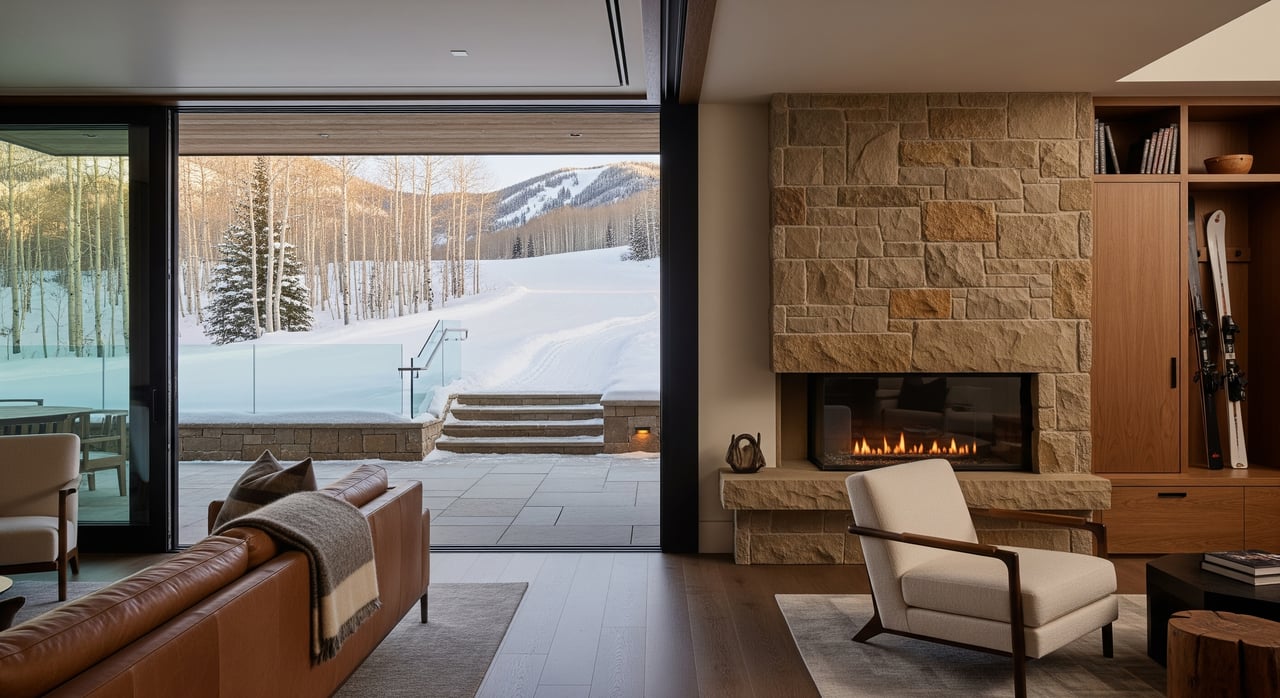
Dreaming of clicking into your skis right outside your front door in Aspen? You are not alone. The term “ski‑in/ski‑out” gets used a lot in listings, but the reality on the ground varies building by building and even unit by unit. In this guide, you will learn how to verify true ski access, where to find it across Aspen’s four mountains, and what to watch inside HOA documents, assessments, financing, and rental rules. Let’s dive in.
What ski‑in/ski‑out really means
Not all “ski access” claims are equal. Understanding these terms helps you separate convenience from marketing.
- True ski‑in/ski‑out. A door or ski room connects directly to a groomed run or skiable path that lets you glide to a lift and return without taking off your skis or walking on pavement. Some buildings use short ski bridges or private access paths. These homes often command a premium and strong rental demand.
- Ski‑to‑door. You can ski to the building or close to it, then walk a short distance, cross a path, or take a few steps. Expect 100 to 300 feet of walking in boots.
- Walk‑to‑lift. You remove your skis and walk to the gondola or chair. It can be quick and convenient, but it is not the same as true ski‑in/ski‑out.
- Shuttle‑to‑lift. A building relies on a shuttle or connector to reach the lifts. This is not ski‑in/ski‑out.
Two more details matter in the mountains: vertical and lateral proximity. A unit perched just above a run can be easier than one that is close laterally but down a flight of stairs in deep snow. Snowpack, grooming patterns, and microterrain can matter more than raw distance.
Pro tip: ask for a recorded plat, slope access easement map, or builder drawings to confirm the legal route. If you can, test the actual path in season.
Where to find it in Aspen area
Aspen offers four distinct ski areas operated under one resort system. Each has its own layout and level of true ski access.
Snowmass Base Village
Snowmass Base Village is purpose built for slope access. Many residences here offer direct or near-direct routes to lifts and groomed runs, which is why Snowmass is the most consistent place to find true ski‑in/ski‑out condos in the Aspen market. Access still varies by building and even by unit orientation, so verify which side of the building faces the slope and whether access crosses private easements or public runs.
Look for details like heated paths, ski bridges, and how pedestrian crossings are managed. These small design choices can turn a good location into a great one when you have kids or gear in tow.
Aspen Mountain (Ajax)
Ajax rises from downtown Aspen, with lifts and the gondola right in town. Many downtown condos advertise easy lift access, which often means a short walk to the gondola rather than true on-slope entry. Direct on-ski-door inventory is rare. If a listing claims ski‑in/ski‑out near downtown, request the exact route and legal access documentation.
Aspen Highlands
Highlands has a dedicated base area with a smaller lodging footprint. You will see fewer true ski‑in/ski‑out buildings and more short walks to lifts. If you like Highlands’ terrain and vibe, focus on buildings clustered at the base and confirm how snow is managed on the approach.
Buttermilk
Buttermilk is known for approachable terrain and terrain parks. Condo options near the base are limited, and most will be walk‑to or short shuttle convenience rather than true ski‑in/ski‑out. If you want direct slope access, this mountain offers fewer choices compared to Snowmass.
How to evaluate a specific condo
Map the real route
Start with the resort trail map, then overlay the building site plan or recorded plat. Identify the path from your ski locker to the run and from the run back to your door. Note vertical transitions, stairs, or bridges and ask how those areas are maintained midwinter. If possible, visit during ski season and test the route at morning and afternoon temperatures.
Confirm legal, recorded access
A skiable path is only valuable if you can legally use it. Request any recorded slope easements, shared-use agreements, or condo documents that grant owner access across private or semi-private corridors. If access relies on a neighboring parcel, verify that the agreement runs with the land and has no near-term expiration.
HOA rules, assessments, and budgets that matter
Ski‑adjacent buildings are special. Their operating budgets reflect heated sidewalks, ski locker rooms, snow removal, and higher seasonal wear.
- Rental policy. Check if nightly rentals are allowed, whether there are caps on rental nights or unit counts, and minimum stay rules. Confirm if an on-site management program is required and how commissions work.
- Special assessments and capital projects. Look for past or pending projects like roof work, elevator upgrades, facade improvements, retaining walls, or slope-side path repairs. Read 12 to 24 months of meeting minutes for signals of upcoming costs.
- Reserves and reserve study. Ask for the latest reserve study and the current funding level. Ski‑in/ski‑out buildings often need robust reserves for heated infrastructure and winter maintenance.
- Insurance. Review the master policy type, deductible, and coverage for common elements versus interiors. Ask how claims are handled and whether owners carry supplemental policies for rental use.
- Snow and access maintenance. Clarify who clears private ski paths, how ice is managed on pedestrian areas, and whether the HOA or a neighboring party covers these costs.
A careful HOA review can save you from surprises after closing.
Ownership types and financing
Not every alpine condo is a simple fee simple purchase. Ownership structure affects use and financing.
- Fee simple condo. You own the unit and a share of the common elements. These are most likely to qualify for standard jumbo or conventional loans, subject to project eligibility.
- Fractional or fixed‑week interests. You own a deeded share with defined usage. Financing options are more limited and specialized.
- Condo‑hotel products. Units inside a hotel environment with front desk services and nightly rental programs may have use restrictions and different underwriting. High investor occupancy, on‑site rental program requirements, or certain management agreements can make a project ineligible for some conventional financing programs.
Most lenders will evaluate the entire project for eligibility. Active HOA litigation, low reserves, or heavy commercial influence can limit your loan choices. Speak with a mortgage professional who regularly funds mountain resort condos in Aspen and Snowmass so you know whether a conventional, jumbo, portfolio, or cash path fits your timeline.
Renting your Aspen ski condo
If you plan to rent, three layers of rules apply. You need alignment across all three.
- Municipal rules. The City of Aspen, the Town of Snowmass Village, and Pitkin County have licensing, lodging tax, and safety requirements for short‑term rentals. Some zones may have caps or permits. Always confirm current rules with the town or city directly, since regulations change.
- HOA rules. Even if the town allows rentals, your building may restrict them or require minimum stays. Some buildings require participation in an approved rental program or prohibit certain booking platforms.
- State taxes. Expect state sales and lodging tax obligations. Clarify who collects and remits taxes, whether that is you, your property manager, or the platform.
In Snowmass Base Village, many buildings are designed with rentals in mind, but policies differ. Confirm whether nightly rentals are permitted, if there is a mandatory or optional on‑site management arrangement, and the commission split. Ask for a sample management contract, a sample owner statement, and any required owner insurance addenda.
Operating realities on the snow
Ski‑in/ski‑out is a lifestyle upgrade, but it comes with practical considerations.
- Turnover and access. Heavy snow days are great for powder, but they complicate cleaning schedules and guest arrivals. Make sure the building has staff or contractors to keep entries clear and safe.
- Common‑area traffic. Expect more boot traffic in corridors and elevators during peak weeks. Well-run buildings set clear rules for gear storage and noise.
- Amenities. Concierge services, ski valets, and in‑building dining push rental rates upward but also increase HOA dues. Decide which amenities you will actually use.
- Storage and orientation. A dedicated ski locker, boot dryers, and a unit facing the slope can improve both your experience and your rental appeal.
A step‑by‑step buying plan
Use this simple process to move from browsing to confident ownership.
- Define your access priority. Decide if only true ski‑in/ski‑out will do or if ski‑to‑door or walk‑to‑lift is acceptable.
- Shortlist by mountain. If direct access is non‑negotiable, start with Snowmass Base Village, then consider specific buildings near the lifts at Highlands and select downtown options at Ajax.
- Get financing aligned. Speak with a lender familiar with Aspen condos to confirm project eligibility and terms. If a unit is fractional or condo‑hotel, ask about portfolio or jumbo paths.
- Request the HOA packet. Review CCRs, bylaws, minutes, current budget, and reserve study. Look for active or pending assessments and rental rules.
- Verify legal access. Obtain recorded plats and easements that show the ski route. Confirm who maintains the path.
- Visit in season. Test the exact route to lifts and back. Note snow removal, signage, and any awkward transitions.
- Model your rental plan. If relevant, collect sample statements, rate calendars, and a draft management agreement. Confirm licensing steps and tax remittance responsibilities.
- Write a clean offer with smart contingencies. Include document review periods for HOA and management contracts, plus a financing contingency aligned with the project type.
Buyer checklist: Aspen ski‑in/ski‑out condos
Use this list to keep your diligence focused.
Property identity and access
- Confirm ownership type: fee simple, fractional, or condo‑hotel, and the exact deeded rights.
- Obtain a site map or plat that shows the building, lifts, runs, and public ways.
- In season, test the route from ski locker to lifts and back to the unit.
HOA and legal documents
- Request CCRs, bylaws, 12 to 24 months of minutes, current budget, and reserve study.
- Ask about recent and pending special assessments and the capital projects list.
- Review rental policy, minimum stays, booking rules, and any required on‑site program.
- Get the master insurance declaration page and deductibles; confirm owner coverage needs.
- Obtain recorded slope easements or access agreements.
Municipal and tax compliance
- Confirm short‑term rental licensing requirements for the specific municipality.
- Verify current lodging and sales tax rates and who remits them.
- Check occupancy limits, minimum stay rules, and zoning for rentals.
Operational and physical checks
- Identify which side of the building faces the slope and where the unit sits.
- Confirm ski locker availability, boot‑drying solutions, and guest access procedures.
- Clarify snow and ice management responsibilities and costs.
- Review parking: deeded spaces, guest rules, and fees.
- Understand elevator capacity and circulation during peak periods.
Financial and financing
- Break down HOA dues into operating versus reserves and note projected increases.
- Confirm lender eligibility and typical financing types closed in the project.
- If marketed for income, request comparable rental performance or owner statements.
Rental management and operations
- Review any on‑site management contract and commission structure.
- Confirm minimum stays, cleaning fees, and damage deposit policies.
- Identify who handles tax remittance, guest contact, and emergency maintenance.
Physical condition and insurance
- Ask for the latest inspection report and note any building‑specific hazards.
- Confirm both HOA and owner insurance coverage for rental use.
Closing and resale
- Verify transfer fees, occupancy transfer rules, and any resale restrictions.
- Ask for recent closings in the building and typical buyer financing mix.
- Note the investor‑to‑owner ratio and any pending rule changes that affect marketability.
The bottom line
You can buy a true ski‑in/ski‑out condo in the Aspen market, especially in Snowmass Base Village, but the details matter. Verify the physical route, confirm the legal easements, and read the HOA documents closely. Align your financing with the project type and, if you plan to rent, build your plan around municipal licensing, HOA rules, and taxes.
If you want an Aspen‑native perspective, construction‑informed guidance, and help coordinating HOA packets and in‑season tours, reach out. Request a private tour or property packet and talk through the buildings that best match your ski‑access goals.
Ready to explore? Contact Reid Hansen to schedule an in‑season visit or request a tailored condo shortlist.
FAQs
What qualifies as true ski‑in/ski‑out in Aspen?
- It means you can ski from your building to a lift and return without removing skis or walking on pavement, typically via a groomed run, ski bridge, or private ski path shown on the site plan or recorded easement.
Where is ski‑in/ski‑out most consistent in Aspen area?
- Snowmass Base Village offers the most consistent inventory, though access still varies by building and unit orientation, so verify the exact route and maintenance plan.
How do HOA special assessments impact ski‑in/ski‑out condos?
- Slope‑side infrastructure, heated walks, and heavy winter wear can lead to higher capital needs, so review past and pending assessments and the reserve study before you make an offer.
Can you finance a condo‑hotel or fractional unit in Aspen?
- Financing can be limited for condo‑hotels and fractional products, and some projects may not meet conventional guidelines, so plan for jumbo, portfolio lending, or cash depending on the building.
What short‑term rental rules apply in Snowmass Village or Aspen?
- You typically need a municipal short‑term rental license, you must collect and remit lodging and sales taxes, and you must also comply with your HOA’s rental rules and any minimum stay requirements.
How does seasonality affect rental performance for ski‑access units?
- Peak winter weeks drive strong demand and wear, so budget for higher cleaning and maintenance while using dynamic pricing and a solid management plan to keep occupancy and rates competitive.