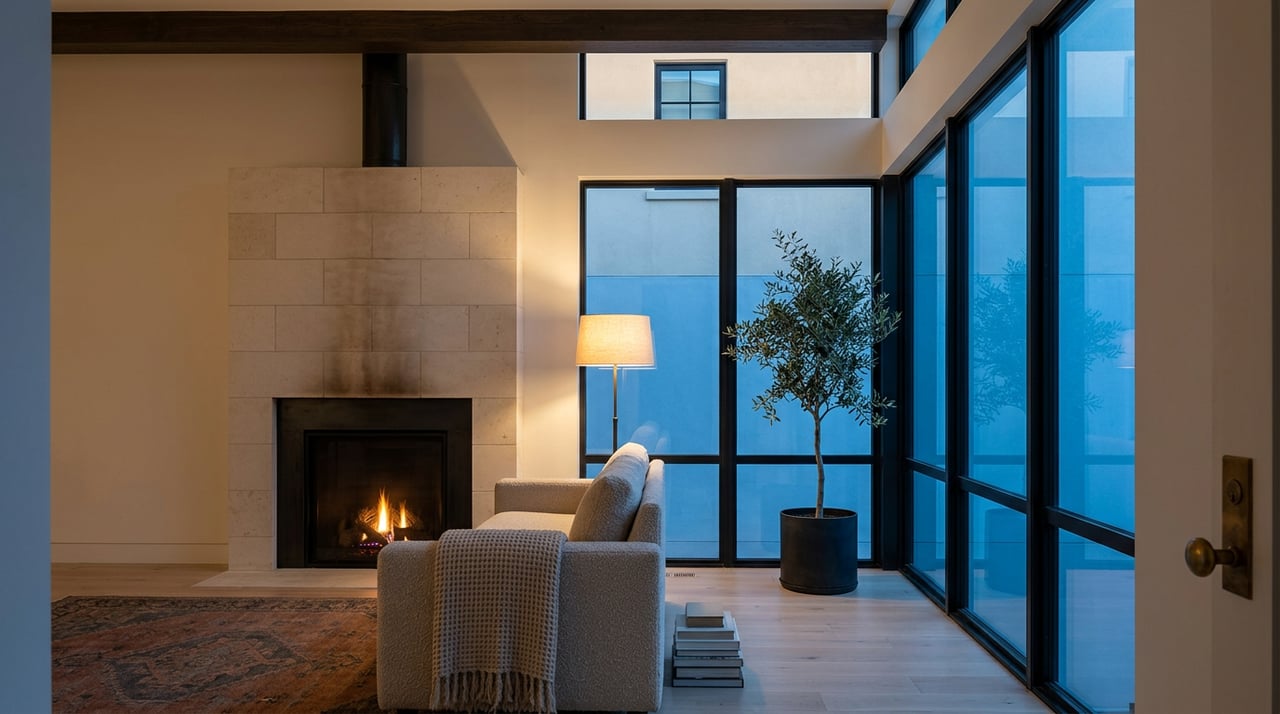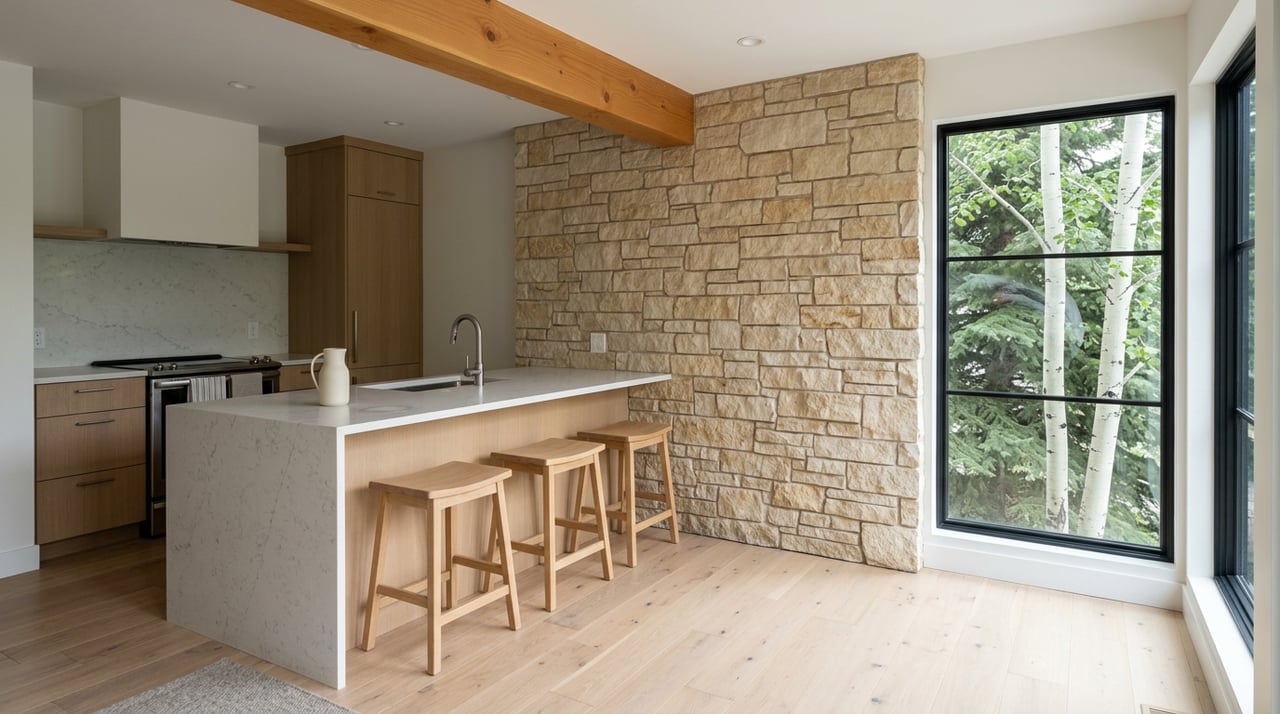
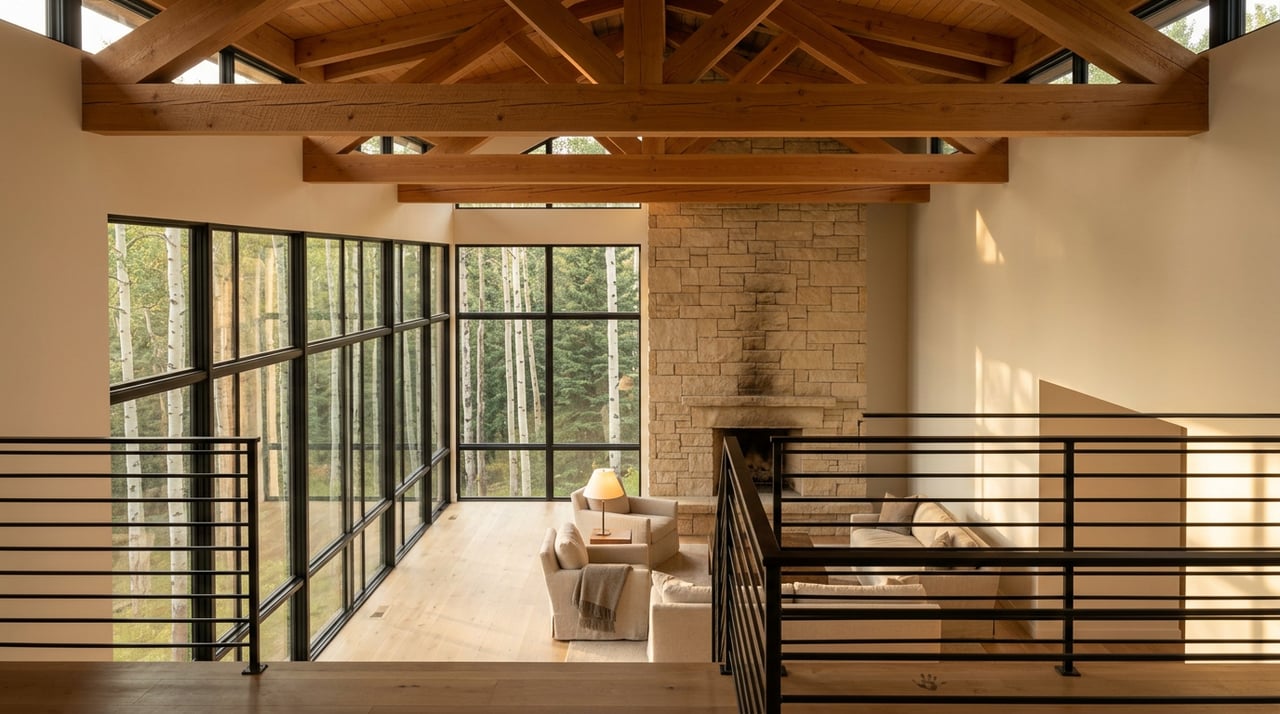
Call an architect today and ask for a 15,000-square-foot house on Red Mountain, and the honest answer is that you can't get one. Not because the lot won't hold it. Not because you couldn't pay for it. Because Pitkin County's own rules will not let a builder draw those plans anymore. And yet Red Mountain is full of houses exactly that size, some larger, standing on hillside lots that current code would never approve for new construction.
That gap between what exists and what can be built again is the actual story behind Red Mountain's pricing. Buyers arrive expecting to pay for a view of Aspen Mountain and the Elk Range, and they do pay for that. But the number on the closing statement is doing something else too. It is pricing an exemption from a rule that took effect in 2023 and has kept tightening since.
The Cap That Reset in Late 2023
In late 2023, Pitkin County cut the maximum allowable home size in the unincorporated county from 15,000 square feet down to 9,250. That baseline drops further depending on where a parcel sits. Inside the Urban Growth Boundary, the ceiling falls to 8,750 square feet. On steep or environmentally sensitive terrain, the kind of hillside ground that defines Red Mountain, it drops again to 5,750.
The county followed that with another land use code update effective January 2026, part of a pattern of tightening rather than loosening. Nothing in the current regulatory direction suggests these caps are heading back up.
| Zone | Cap before late 2023 | Cap today |
|---|---|---|
| General unincorporated county | 15,000 sq ft | 9,250 sq ft |
| Urban Growth Boundary | 15,000 sq ft | 8,750 sq ft |
| Steep slope / environmental overlay | 15,000 sq ft | 5,750 sq ft |
Red Mountain's terrain puts a meaningful share of its lots into that last row. A homeowner shopping for a rebuild on the same footprint their house already occupies may be looking at a legal ceiling less than a third of what is currently standing.
Why the Existing House Becomes the Product
This is where the mechanism actually bites for a buyer. A home built in 2005 or 2010 at 12,000 or 18,000 square feet is a legal nonconforming structure under today's code. It can be maintained, renovated within its existing walls, sold and resold. What it cannot do is burn down, get torn down for a full rebuild, or expand and come back at the same scale. The floor area attached to that address effectively disappears the moment the structure does, and the next owner is left applying today's caps to tomorrow's plans.
That single fact changes what the house represents. A buyer is not simply purchasing bedrooms, a kitchen, and a view corridor. They are purchasing a floor-area entitlement the county will not reissue.
The Sale That Put a Number on the Exemption
The clearest illustration of what that exemption is worth happened in April 2024, when 419 Willoughby Way closed at $108 million. The house, built in 2010, runs 22,405 square feet across 4.51 acres. It sold off-market, never appearing on the local multiple listing service, and the closing set Colorado's all-time record for a residential sale. Divide the price by the square footage and the transaction lands at roughly $4,820 per square foot.
That number only makes sense once you account for what the buyer was actually acquiring. No lot on Red Mountain today could support a new-build home anywhere close to 22,405 square feet. The house wasn't just large. It was large in a way current regulation has made permanently unrepeatable, and the price reflects that scarcity as much as it reflects the address.
A Fresh Data Point From This Summer
If the $108 million sale reads like an outlier from two years ago, the same street produced a more ordinary confirmation this year. On June 1, 2026, 645 Willoughby Way closed at $37 million, or roughly $4,034 per square foot, furnished. Different house, different buyer, same block, and a per-square-foot figure that lands in the same range as the record-setting sale twenty-six months earlier.
That consistency matters more than either number in isolation. It suggests the premium tied to Red Mountain's grandfathered scale isn't a 2024 fluke tied to one wealthy buyer's appetite. It's a pricing floor that has held through a full market cycle, on the same street, under the same zoning constraint.
Why the Neighborhood's "Average" Swings by Ten Million a Year
Here is where a headline number can mislead a buyer who hasn't spent time in this specific market. Red Mountain's average sale price came in at $22.38 million in 2025, down from $32.09 million in 2024. Read on its own, that looks like a cooling neighborhood losing nearly a third of its value in a single year.
It isn't. Red Mountain closes a small handful of transactions annually, small enough that one $108 million sale can move a full year's average by tens of millions of dollars in either direction. The 2024 average was elevated because it contained the largest residential closing in state history. The 2025 average looks lower mostly because it didn't repeat that outlier, not because buyers pulled back or estates lost value.
The same thinness shows up from the opposite direction. One national listing platform's own tracking page for Red Mountain reported a median sale price of $30.2 million for January 2026, up more than 125 percent from the same month a year earlier, then attached its own caution that data for this neighborhood is too limited to use for market analysis or forecasting. A market that can swing 125 percent in one direction and drop nearly a third in the other, within the same twelve-month window, isn't behaving like a market at all in the statistical sense. It's behaving like a handful of individual transactions that happen to get averaged together once a year.
What This Means If You're Comparing Neighborhoods
If you're weighing Red Mountain against other high-end pockets of the valley, the useful comparison isn't dollars per square foot for a nice view. It's dollars per square foot for square footage the county will not let anyone build again. Elsewhere in Aspen, a buyer wanting 10,000 or 12,000 square feet of living space runs straight into the current caps and the growth management allotment process that governs new residential square footage citywide. On Red Mountain, that scale already exists in dozens of homes built before the rules changed.
That also means the entry point matters more here than almost anywhere else in Aspen. A dated or teardown-candidate property on Red Mountain isn't priced like a fixer-upper. It's priced against the value of the lot and whatever grandfathered floor area happens to survive with it, because a full rebuild resets the buyer to today's caps regardless of what stood there before. Anyone evaluating a Red Mountain purchase with renovation or expansion in mind needs to know, before writing an offer, exactly how much of the existing structure's scale is protected and how much of it disappears the moment a permit gets pulled for anything beyond cosmetic work.
FAQ
Can I add square footage to an existing grandfathered home on Red Mountain? Interior renovation within the existing footprint is generally workable. Expanding beyond the current footprint or pursuing a full teardown rebuild typically resets the property to today's caps, which is why so many owners choose to renovate rather than rebuild.
Does the tighter 5,750-square-foot cap apply to the whole neighborhood? No. That figure applies specifically to steep-slope and environmentally sensitive parcels. Other Red Mountain lots fall under the 8,750 or 9,250-square-foot caps depending on their location relative to the Urban Growth Boundary. Every lot should be checked individually before assuming a number.
What happens if a grandfathered Red Mountain home is destroyed? Rebuilding generally means applying current code to the new structure, which caps the replacement well below what existed before. That risk is part of why buyers should factor insurance and rebuild scenarios into how they value a large, older home on the mountain.
If you're comparing Red Mountain against other Aspen and Roaring Fork neighborhoods and want to understand what a specific address's square footage actually represents under current code, Team Hansen can walk through the entitlement history on any property you're considering. Let's Connect — Request a Private Consultation or Property Tour.